
When a monk wakes up in the last hour of the night (at about 4 a.m.), then he should recite the Paramesthi-Mantra and get up from his bed. The ascetic goes to the temple and worships the Tirthankaras by bowing before the idols, circumambulation them and by renting hymns and meditating. A monk cannot perform any of the types of the Puja performed in temple; he does not also put on a special dress in temple like a layman; his cult is rather spiritual and introspective. He then returns to his house where he meditates. He goes out around 10 a.m. to beg for food and drink. On returning from his round, he confesses his sins which he has committed on his way by harming living beings. After chanting the Mantras, he takes the food he got by begging. On returning from his round, he confesses his sins which he has committed on his way by harming living beings.
After chanting the Mantras, he takes the food he got by begging. The utensils are washed after the meal. After an hour`s rest he studies or teaches. Insects are again searched around 3 p.m. Another begging round is done around 4.30 p.m. which is again followed by a confession, chanting of Mantras and meals.
In the case of an ascetic meals have to be finished before sunset. Nothing can be taken, even water, during darkness. After the ascetic has dedicated himself to pious meditation, he recites the Paramesthi-Mantra and other pious Mantras and goes to bed. The first part of the night should be devoted to pious conversation, the second to rest and the third to contemplation.
This article is a stub. You can enrich by adding more information to it. Send your Write Up to content@indianetzone.com
Daily Rites of Jain Ascetic
Daily Rites of a Jain Ascetic starts very early in the morning. Once he gets up in the morning it is his duty to carry out all his vows with absolute sincerity.
Recently updated articles in Religion in India
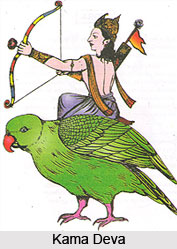
Kusumayudha
Kusumayudha is a name of Kamadeva, the Hindu God of Love. Depicted with a sugarcane bow and flower-tipped arrows, he represents attraction and longing...
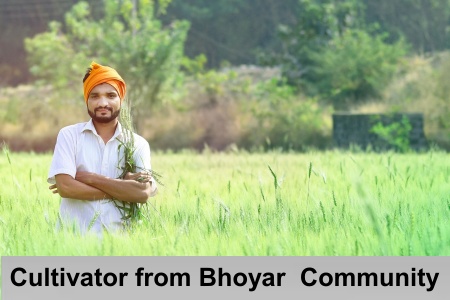
Bhoyar Caste
Bhoyar Caste is largely found in the Central Provinces of the country. Traditional occupation of Bhoyars is agriculture. They are good cultivators and...
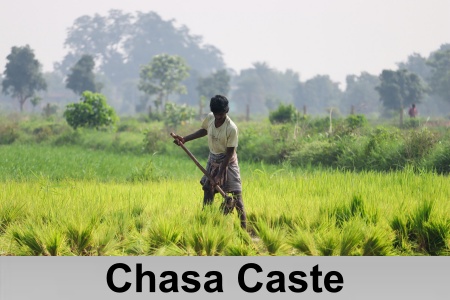
Chasa Caste
Chasa caste is a prominent agrarian community native to Odisha. Traditionally associated with cultivation and farming, Chasas have historically played...
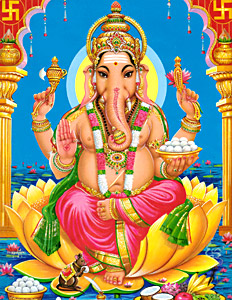
Vigneswara, A Form of Lord Ganesha
Lord Vigneswara is another form of Lord Ganesha or Vinayaka, prominently worshipped as the God of intelligence and good luck in the Indian subcontinen...
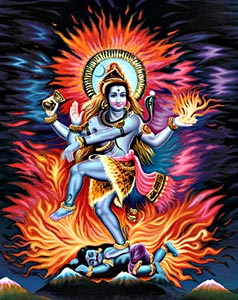
Maheswara
Maheswara, meaning “the Great Lord,” is a revered name of Lord Shiva in Hindu tradition. It represents Shiva’s supreme authority over creation, preser...
Related articles in Religion in India
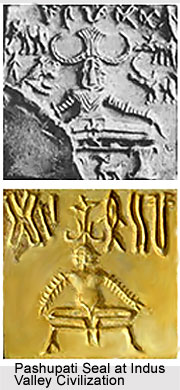
Religion in Indus Valley Civilization
Religion in Indus Valley Civilisation included Hinduism, Buddhism and Jainism. Details about the religion in Indus Valley Civilization have been gathe...
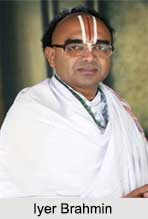
Iyer Brahmin
Iyer Brahmins are originally from Tamil Nadu of South India. They are known for their adherence to Advaita philosophy and Smarta traditions. Tradition...
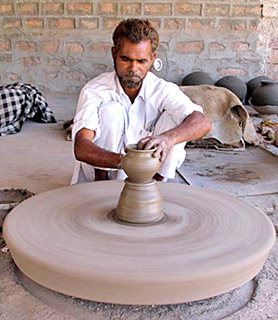
Kumbhakar / Kumhar Caste
Kumbhakar or Kumhar caste is a traditional artisan community in India known for pottery making. Derived from Sanskrit word Kumbhakar, meaning potter,...

Gujjars in Mughal Era
Gujjars in the Mughal era enjoyed great power. Further their power increased with the decline of Aurangzeb, Mughal emperor.
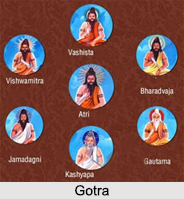
Gotra in Hinduism
In Hinduism, gotra refers to a lineage system tracing descent from ancient sages, primarily through the paternal line. Originating from Vedic traditio...