
Cult of Draupadi in South India cannot be traced in a very precise manner. Draupadi cult was probably consolidated during the fourteenth century. It is specifically in the Gingee area that the Draupadi cult was consolidated and from Gingee country that it diffused outward, for varying reasons, in succeeding centuries. It seems likely that certain early factors and various other factors played into its formation. The Mahabharata, already popular and well integrated into Tamil traditions by the time of the epic Tamil poem, the Cilappatikaram seems to have gained considerable recognition during the period of the Pallavas. In south India today the Draupadi cult is centered North and South Arcot Districts.
History says that the early Pallavas are linked with a tradition, apparently untraceable to any early documentation but interesting nonetheless, that popular recitation of the Mahabharata was begun during the period of conflicts between Mahendravarman and Pulakesin II, the Chalukyan invader from Badami.
The practice of reciting the epic at Draupadi temples as well as at temples of certain other deities certainly owes something to these early developments. The Draupadi cult favors the Makaparatam of Villiputtur Aiyar, probably from the late fourteenth century.
Aravan, this hero is not only prominent in the Draupadi cult but has an epic related cult of his own, one that, despite its geographical overlap with the Draupadi cult, is only loosely connected with it. Thus even though portions of Peruntevanar`s Paratam may reflect, or foreshadow, the cult of Aravan, the history of this cult even if it goes back to the Pallava period would not guarantee a corresponding antiquity for the cult of Draupadi.
The Pallava period thus supplies a surprising number of elements that either contribute to or provide background for the Draupadi cult. But one finds nothing to indicate that these factors were integrated into anything that resembles the Draupadi cult of today. This does not, of course, rule out the possibility of Pallava period origins. No doubt during this time there was a deepening of the associations between Draupadi and the goddess. Indeed, it is in this period that Bhatta Narayana composes his Venisamhara, the Sanskrit drama that provides the first clear literary unfolding of the theme that Draupadi will not bind up her hair until she can do so with the blood of her defilers. Though written in North India, it is likely that this drama was popular also in the South, and particularly at the Pallava capital of Kanchipuram. One thus has an intriguing list of ingredients, but nothing to indicate a cult as such.
Cult of Draupadi in South India
Cult of Draupadi in South India had probably started in the 14th century and was concentrated in the North and South districts of South India. It has also been mentioned in history that Draupadi cult had a strong hold in Gingee and from Gingee it moved to other parts.
Recently updated articles in Religion in India
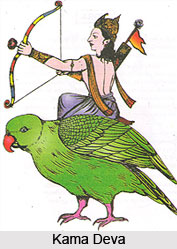
Kusumayudha
Kusumayudha is a name of Kamadeva, the Hindu God of Love. Depicted with a sugarcane bow and flower-tipped arrows, he represents attraction and longing...
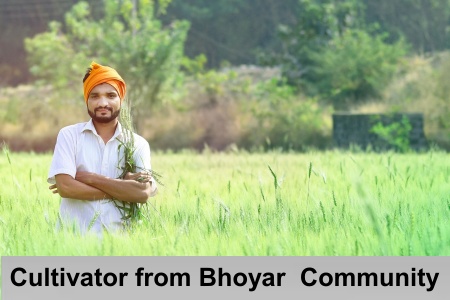
Bhoyar Caste
Bhoyar Caste is largely found in the Central Provinces of the country. Traditional occupation of Bhoyars is agriculture. They are good cultivators and...
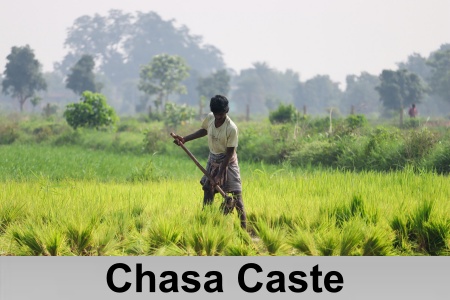
Chasa Caste
Chasa caste is a prominent agrarian community native to Odisha. Traditionally associated with cultivation and farming, Chasas have historically played...
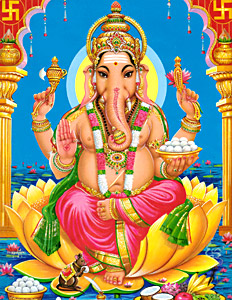
Vigneswara, A Form of Lord Ganesha
Lord Vigneswara is another form of Lord Ganesha or Vinayaka, prominently worshipped as the God of intelligence and good luck in the Indian subcontinen...
Maheswara
Maheswara, meaning “the Great Lord,” is a revered name of Lord Shiva in Hindu tradition. It represents Shiva’s supreme authority over creation, preser...
Related articles in Religion in India

Religion in Indus Valley Civilization
Religion in Indus Valley Civilisation included Hinduism, Buddhism and Jainism. Details about the religion in Indus Valley Civilization have been gathe...

Iyer Brahmin
Iyer Brahmins are originally from Tamil Nadu of South India. They are known for their adherence to Advaita philosophy and Smarta traditions. Tradition...

Kumbhakar / Kumhar Caste
Kumbhakar or Kumhar caste is a traditional artisan community in India known for pottery making. Derived from Sanskrit word Kumbhakar, meaning potter,...

Gujjars in Mughal Era
Gujjars in the Mughal era enjoyed great power. Further their power increased with the decline of Aurangzeb, Mughal emperor.

Gotra in Hinduism
In Hinduism, gotra refers to a lineage system tracing descent from ancient sages, primarily through the paternal line. Originating from Vedic traditio...