
Creation of Ministers had remained one of the major concerns of an Empire. A Minister who has been regarded as the chariot of a kingdom holds an important and vital place in the administration. Within such conditions when the state is surrounded with intrigues and conspiracy both inside as well as outside the kingdom, the selection of the minister becomes equally important as if the minister betrays then he can dispose the king easily and unquestioned. It, thus, remains vital that the king should entrust this position to one whom he knows and who is trustworthy. A number of scholars have discussed the selection of the ministers in ancient India.
Creation of Ministers has been discussed by Bharadwaja who insist that the minister should be a classmate of the ruler. This will help him to have a better understanding with the kings which has been rejected by Viskalaksha, who in turn, claims that a friend may turn dangerous to the king as he would despise him on a contrary the king should employ someone whose secrets, common possessions are well known to the king. Further scholars like Parasura and others exhibit their level of fear on this. The selection has been further discussed Parasara such person should be made a minister who is faithful to the king. Others have claimed that minister should have the quality to handle financial affairs while others claim that he should be selected from a family whose ancestors had remained ministers as well.
Creation of Ministers according to Kautilya is selection of a person who is more accomplished in all his services. Kautilya`s description regarding the Amatya or the minister is more comprehensive one. For him Amatya should be satisfactory in all respects as a man` s ability is inferred from his capacity shown in work and in accordance of the working capacity the division which has been made in the share of powers will define the reasons for which one should be selected not as a councillor but an Amatya or a minister.
Thus, a minister like a king also has to be all accomplished and well trained in statecraft so that he can function even in the absence of a king and can represent his ruler`s kingdom like an ambassador.
Creation of Ministers
Creation of Ministers had been one of the important functions of a king. The minister has to be some one on whom the king can bestow maximum faith and rely on any condition.
Recently updated articles in History of India
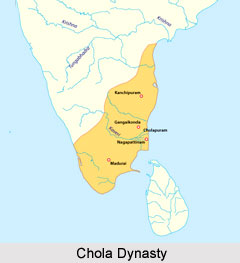
Chola Dynasty
Chola Dynasty is a Tamil dynasty and had longest duration of ruling in parts of South India. Chola dynasty had ruled South India successfully for a ex...
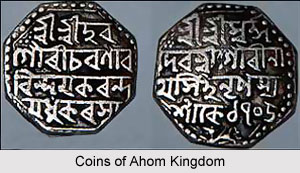
Suhungmung
Suhungmung was the fourteenth ruler of the Ahom dynasty who ruled from the period 1497 to 1539 AD. His reign was significant in terms of expansion of...
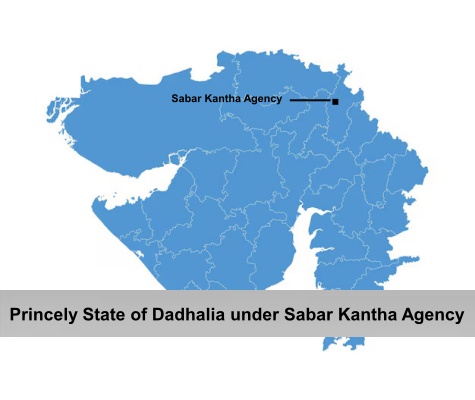
Princely State of Dadhalia
Princely State of Dadhalia was located in the present state of Gujarat. The state covered a total area of 28 sq miles and comprised of 15 villages. Th...
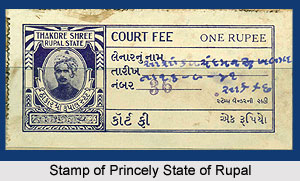
Princely State of Rupal
Princely State of Rupal was a part of the Baroda Agency, a sub division of Western India States Agency. It was under the administrative control of the...
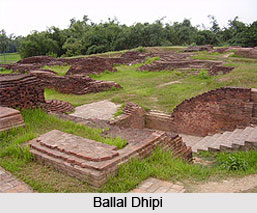
Archaeological Sites of West Bengal
Archaeological sites of West Bengal reveal several aspects of ancient India. Excavations by the Archaeological Survey of India have furnished artefact...
Related articles in History of India
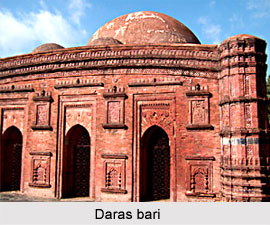
Mughal Architecture during Babur
Mughal architecture during Babur marked the foundation of a new architectural era in India, blending Timurid, Persian, and local influences. His reign...
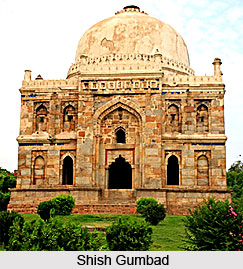
Architecture during Sayyid and Lodi Dynasty
Architectures during the Sayyid and Lodi dynasty were mainly the tombs and monuments for the dead rulers. It were carefully designed and meticulously...
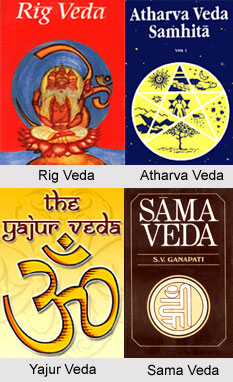
Brahmanical Sources of Ancient History
Brahmanical Sources of ancient history are contained in the Vedas and they constitute one of the most important literary sources of information about...
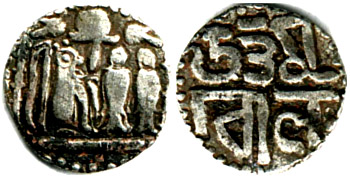
Coins of Chola Empire
Coins of Chola Empire were issued in gold, silver and copper and carried the Chola emblem.
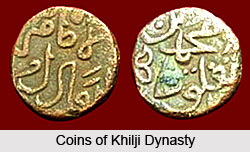
Coins of Khilji Dynasty
Coins of Khilji Dynasty had an influential feature that was followed by the other dynasties.