
Conduct of corporation forms the content of Book XI of Arthashastra which includes the association of the king with neighbouring countries which are enriched in trade and can come as a help to the king in creating corporations among themselves for stable future.
Conduct of corporation mainly highlights to the behaviour of the groups of associates who can either sand as an enemy or as allies. Two well known corporations of the period was the corporations of warriors (kshatriyasrem) of Kambhoja, and Surashtra, and other countries live by agriculture, trade and wielding weapons. The corporations of Lichchhivika, Vrjika, Mallaka, Madraka, Kukura, Kuru, Pafichala and others live by the title of a Raja. As mentioned in Arthashastra the association of various corporations was considered favourable as it was said that association of corporations is better than association of army.
Further spies also had a major role to play by enabling access in these corporations through which they can collect information regarding hatred, jealousy and other causes of conflict. This explains the method of owing seeds of dissension within each camp. Along with many more factors dissension crops up due to inherent dissatisfaction and comparison which is usually searched out by a close network of spies .Thus it becomes the responsibility of the ruler to protect his corporation from such harming external factors which may force them to split. Overall it is advised by Arthashastra to the chief of a corporation to lead a virtuous life which may stand as an ex ample for others and can provide maximum security to its own corporation by simply remaining alert.
Thus Conduct of Corporation in Book XI of Arthashastra denotes those factors which exist along with the war and its reactions. These factors later on become strong enough to harm relationship.
Conduct Of Corporation
Conduct of corporation includes the causes of dissension and secret punishment. The book is divided into two parts, while the first part deals with causes of dissention; the second part discusses the forms of secret punishments.
Recently updated articles in History of India
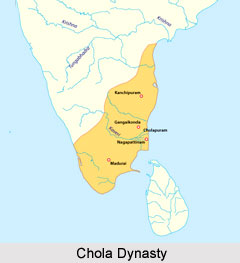
Chola Dynasty
Chola Dynasty is a Tamil dynasty and had longest duration of ruling in parts of South India. Chola dynasty had ruled South India successfully for a ex...
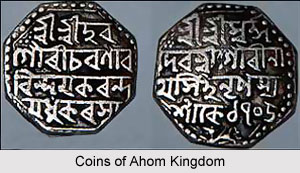
Suhungmung
Suhungmung was the fourteenth ruler of the Ahom dynasty who ruled from the period 1497 to 1539 AD. His reign was significant in terms of expansion of...
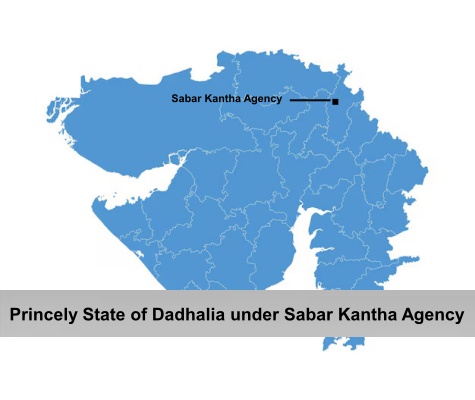
Princely State of Dadhalia
Princely State of Dadhalia was located in the present state of Gujarat. The state covered a total area of 28 sq miles and comprised of 15 villages. Th...
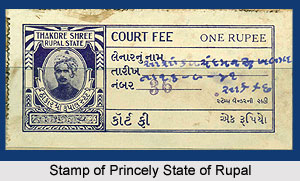
Princely State of Rupal
Princely State of Rupal was a part of the Baroda Agency, a sub division of Western India States Agency. It was under the administrative control of the...
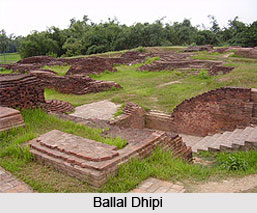
Archaeological Sites of West Bengal
Archaeological sites of West Bengal reveal several aspects of ancient India. Excavations by the Archaeological Survey of India have furnished artefact...
Related articles in History of India

Mughal Architecture during Babur
Mughal architecture during Babur marked the foundation of a new architectural era in India, blending Timurid, Persian, and local influences. His reign...

Architecture during Sayyid and Lodi Dynasty
Architectures during the Sayyid and Lodi dynasty were mainly the tombs and monuments for the dead rulers. It were carefully designed and meticulously...

Brahmanical Sources of Ancient History
Brahmanical Sources of ancient history are contained in the Vedas and they constitute one of the most important literary sources of information about...

Coins of Chola Empire
Coins of Chola Empire were issued in gold, silver and copper and carried the Chola emblem.

Coins of Khilji Dynasty
Coins of Khilji Dynasty had an influential feature that was followed by the other dynasties.