
Concerning Vices and Calamities, Book VIII of Arthashastra, includes the aggregate of the calamities of the elements of sovereignty; considerations about the troubles of the king and his kingdom; the aggregate of the troubles of men; the group of molestations; the group of obstructions; and the group of financial troubles; the group of troubles of the army; and the group of troubles of a friend. Specifically it talks about the problems which appear in running a virtuous state.
Concerning Vices and Calamities defines the meaning of both vices as well as calamities. Vices, according to the book, means pursuit of some course of action which is opposed to the six fold path of living. Kautilya mentions that when calamities happen together, the form of consideration should be whether it is easier to take an offensive or defensive attitude. National calamities, coming from providence or from man, happen from one`s misfortune or bad policy. According to Kautilya a national calamity comes when the King, people, army and everyone falls into distress and insecurity prevails with weak fortification, weak treasury. Through a debate with Bharadvaja and the schools of Para Sara and Pisuna, Kautilya establishes his definition to assess the aggregate of calamities of the elements of sovereignty.
Concerning Vices and Calamities further includes the description and remedy regarding the troubling factors affecting the king and his kingdom. The troubles of the king may be either internal or external. Internal troubles are more serious than external troubles. Troubles due to a minister are more serious than other kinds of internal troubles. Hence, the king should keep under his own control the powers of finance and the army.
Regarding vices of men it mainly occurs through anger and as mentioned in Arthashastra. Vices due to anger form a triad and those due to desire are fourfold. Providential calamities may also occur which includes natural calamities like floods and famines. This further talk of group of people engaged in molestation and other social vices primarily as mentioned in the book VIII of Arthashastra.
Thus, Book VIII of Arthashastra takes notice of all such factors which hamper in serving the state along with security.
Concerning Vices and Calamities
Concerning Vices and Calamities in Book VIII of Arthashastra discusses all those factors which stand as obstacles in the smooth running of a kingdom. Concerning Vices and Calamities advises the king to take full notice of such factors which are prohibited within the kingdom.
Recently updated articles in History of India
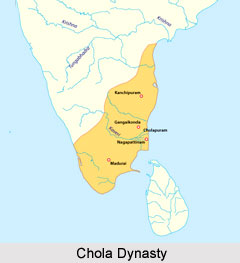
Chola Dynasty
Chola Dynasty is a Tamil dynasty and had longest duration of ruling in parts of South India. Chola dynasty had ruled South India successfully for a ex...
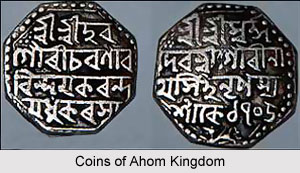
Suhungmung
Suhungmung was the fourteenth ruler of the Ahom dynasty who ruled from the period 1497 to 1539 AD. His reign was significant in terms of expansion of...
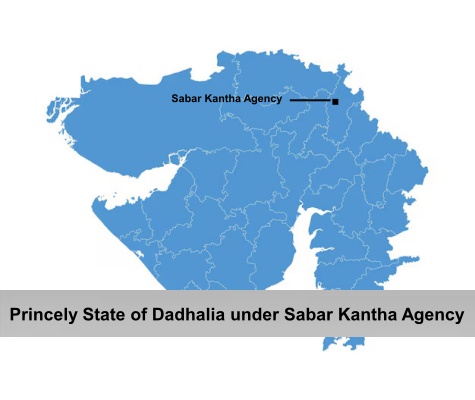
Princely State of Dadhalia
Princely State of Dadhalia was located in the present state of Gujarat. The state covered a total area of 28 sq miles and comprised of 15 villages. Th...
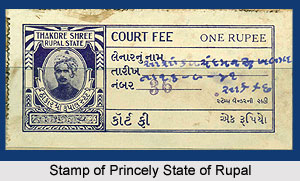
Princely State of Rupal
Princely State of Rupal was a part of the Baroda Agency, a sub division of Western India States Agency. It was under the administrative control of the...
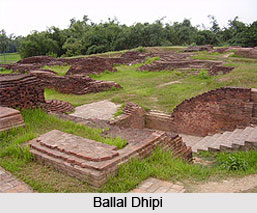
Archaeological Sites of West Bengal
Archaeological sites of West Bengal reveal several aspects of ancient India. Excavations by the Archaeological Survey of India have furnished artefact...
Related articles in History of India
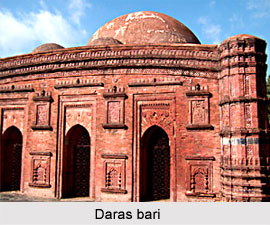
Mughal Architecture during Babur
Mughal architecture during Babur marked the foundation of a new architectural era in India, blending Timurid, Persian, and local influences. His reign...
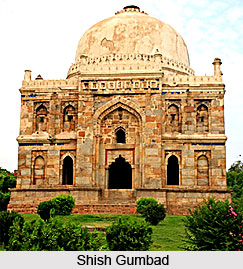
Architecture during Sayyid and Lodi Dynasty
Architectures during the Sayyid and Lodi dynasty were mainly the tombs and monuments for the dead rulers. It were carefully designed and meticulously...
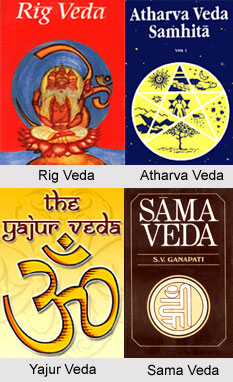
Brahmanical Sources of Ancient History
Brahmanical Sources of ancient history are contained in the Vedas and they constitute one of the most important literary sources of information about...
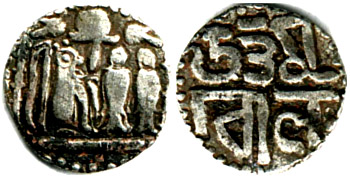
Coins of Chola Empire
Coins of Chola Empire were issued in gold, silver and copper and carried the Chola emblem.
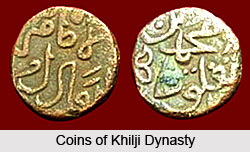
Coins of Khilji Dynasty
Coins of Khilji Dynasty had an influential feature that was followed by the other dynasties.