
`Sahaja`, the Innate, means something that is born or arisen together or simultaneously (sahajatyam yad utpannam sahajam tat prakirtitam). Yogaratnamala states, "That undefiled nature which is produced from the simultaneous co-arising of the internal Wisdom and Means is the Innate which is known as the supreme." In Vajrayana the Innate is equated with the very nature of things (sahajam svarupam ucyate). The intrinsic nature is known as sahajam (svabhavam sahajam proktam). The intrinsic nature (svabhavam) is thusness (tathata) and the Absolute Void.
Sahaja is the concealed essence of all things (sarvakaraikasamvaram). It is calm (nistarangah svarupatma), and it abides in all bodies (sarva dehe vyavasthitah). The Innate is characterised as Joy (ananda) and is the culmination of the three phenomenal joys (sahajanandam sesatah). Hevajra is of the nature of Innate Joy (sahajanandasvarupatah). The siddhi attained through Hevajra sadhana is also of the nature of sahaja (siddhih sahajanandarupini). Sahaja can only be self-experienced (svasamvedya). When consciousness is purified, the intrinsic nature (sahaja) itself is experienced as release.
The text states that the experience of sahaja is like cloud at first, then as illusion, later as sleep, and finally as no distinction between sleep and waking. This indicates the four stabilised meditative state in which sahaja is experienced in different degrees. The first stabilised meditative state, which is like a cloud (meghavat or megha), is one in which the Innate is not clearly experienced but appears as a moon concealed by a cloud. In the second state it appears as illusion (mayavat), because the illusory nature of the world is truly realised. In the third state, it is like sleep (svapnavat), because there is no notion of distinguishing oneself from others. The final state is like having no distinction between the sleep and waking states (svapijagradabhedavat) because the sleep and waking states are indivisibly united. In sahaja there is no duality of Wisdom and Means. As self experienced, it is beyond verbal articulation, like the dream of one who is dumb (mukasya svapnamyatha).
This article is a stub. You can enrich by adding more information to it. Send your Write Up to content@indianetzone.com
Concept of Sahaja
Concept of Sahaja is a state which can only be self experienced. It is the concealed essence of all things which abides in all bodies.
Recently updated articles in Religion in India
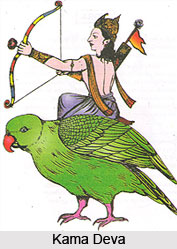
Kusumayudha
Kusumayudha is a name of Kamadeva, the Hindu God of Love. Depicted with a sugarcane bow and flower-tipped arrows, he represents attraction and longing...
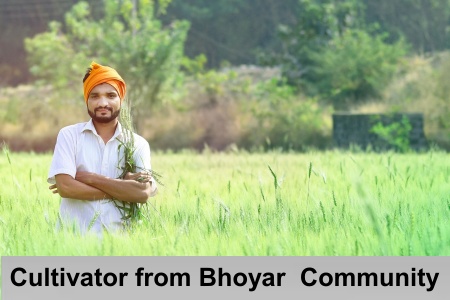
Bhoyar Caste
Bhoyar Caste is largely found in the Central Provinces of the country. Traditional occupation of Bhoyars is agriculture. They are good cultivators and...
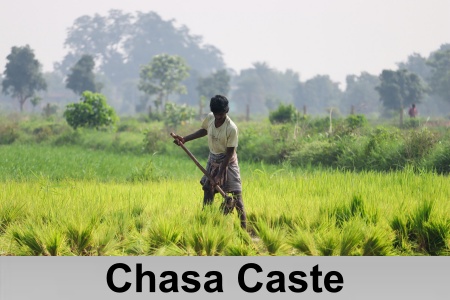
Chasa Caste
Chasa caste is a prominent agrarian community native to Odisha. Traditionally associated with cultivation and farming, Chasas have historically played...
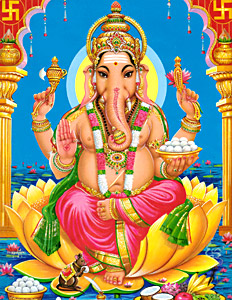
Vigneswara, A Form of Lord Ganesha
Lord Vigneswara is another form of Lord Ganesha or Vinayaka, prominently worshipped as the God of intelligence and good luck in the Indian subcontinen...
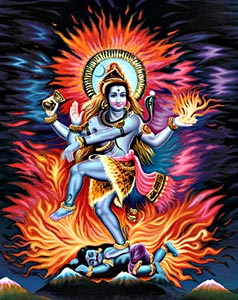
Maheswara
Maheswara, meaning “the Great Lord,” is a revered name of Lord Shiva in Hindu tradition. It represents Shiva’s supreme authority over creation, preser...
Related articles in Religion in India
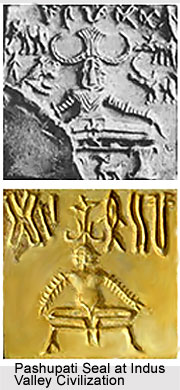
Religion in Indus Valley Civilization
Religion in Indus Valley Civilisation included Hinduism, Buddhism and Jainism. Details about the religion in Indus Valley Civilization have been gathe...
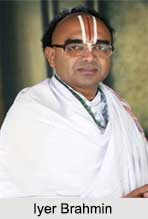
Iyer Brahmin
Iyer Brahmins are originally from Tamil Nadu of South India. They are known for their adherence to Advaita philosophy and Smarta traditions. Tradition...
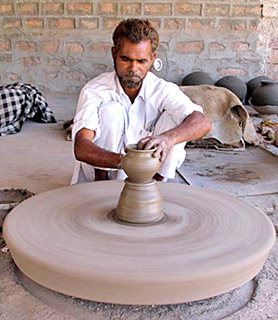
Kumbhakar / Kumhar Caste
Kumbhakar or Kumhar caste is a traditional artisan community in India known for pottery making. Derived from Sanskrit word Kumbhakar, meaning potter,...

Gujjars in Mughal Era
Gujjars in the Mughal era enjoyed great power. Further their power increased with the decline of Aurangzeb, Mughal emperor.
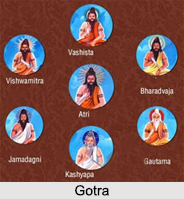
Gotra in Hinduism
In Hinduism, gotra refers to a lineage system tracing descent from ancient sages, primarily through the paternal line. Originating from Vedic traditio...