
The concept of Bhagavata Sesatva has been adopted from the further expansion of the concept of Sesatva meaning sub-ordination. The concept of Bhagavata Sesatva means sub-ordination to not only Vishnu but also to his consort as well as to his devotees known as bhagavatas. The subordination of jiva to the divine couple is justified by the doctrine accepted by Vaishnavism that Sriyah patih or the Supreme Being as integrally related to Sri constitutes the ultimate Reality. As Laksmi Tantra points out, Lord Vishnu as associated with Goddess Laxmi is the saviour (raksaka) for all.
The extension of the sesatva of jiva to the Bhagavatas is a distinctive contribution of Vaishnavism. The subordination to Godly men does not merely mean that one should show respect to them but he should also render services to them (kaihkarya). The justification for the worship of the Bhagavatas is provided by Vaishnavism on the authority of the religious texts which enjoin the worship of God`s devotees as a religious duty which will please God. Thus, says the Padmottara Purana, "Of all the forms of worship the one offered to Vishnu is the best; but even superior to this is the worship offered to the devotees of Vishnu." The Mahabharata states, "I (paramatman) have great affection to those who are devoted to my devotees; therefore, one should offer service with devotion to them." There are several such statements in the Mahabharata and the Puranas. It is stated in the Gita that the devotees of God are very dear to Him.
There also exists a philosophical justification for the worship of Bhagavatas. According to the Visistadvaita Vedanta, God is immanent as antaryami in all living beings and the worship offered to them ultimately goes to the God within. The Vedanta sutra and the statement in the Mahabharata support this theory. According to the Vedanta sutra, the upasana enjoined on Indra is interpreted to mean upasana on the Paramatman who is the antaratma of Indra and not Indra`s soul. The Mahabharata says that those who worship the devatas, the Brahmanas and the fire (agni) worship only Vishnu who is the antaratma of all these.
Thus taking all these facts into consideration, Vaishnavism maintains that the jiva is a dasa to the devotees of Bhagavan Vishnu (bhagavata sesa). The Vaishnava treatises as well as the hymns of Alvars have extolled the service to Bhagavatas as the greatest religious act of a Vaishnava. To emphasise its importance, they even go to the extent of commending that a true Vaishnava should accord the highest respect and devotion even to the person of the lowest caste as long as he is a true devotee of Vishnu. Thus the concept of Bhagavata Sestava is an important part of the religious practice of Vaishnavism.
Concept of Bhagavata Sesatva
Concept of Bhagavata Sesatva means the worship and sub-ordination of the consort and devotees of Lord Vishnu along with the worship of the Lord Himself. It is a further development of the concept of Sesatva.
Recently updated articles in Religion in India
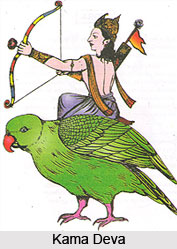
Kusumayudha
Kusumayudha is a name of Kamadeva, the Hindu God of Love. Depicted with a sugarcane bow and flower-tipped arrows, he represents attraction and longing...

Bhoyar Caste
Bhoyar Caste is largely found in the Central Provinces of the country. Traditional occupation of Bhoyars is agriculture. They are good cultivators and...

Chasa Caste
Chasa caste is a prominent agrarian community native to Odisha. Traditionally associated with cultivation and farming, Chasas have historically played...
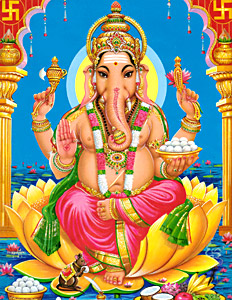
Vigneswara, A Form of Lord Ganesha
Lord Vigneswara is another form of Lord Ganesha or Vinayaka, prominently worshipped as the God of intelligence and good luck in the Indian subcontinen...
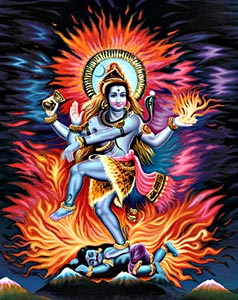
Maheswara
Maheswara, meaning “the Great Lord,” is a revered name of Lord Shiva in Hindu tradition. It represents Shiva’s supreme authority over creation, preser...
Related articles in Religion in India
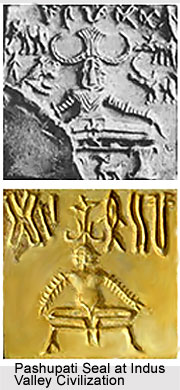
Religion in Indus Valley Civilization
Religion in Indus Valley Civilisation included Hinduism, Buddhism and Jainism. Details about the religion in Indus Valley Civilization have been gathe...
Iyer Brahmin
Iyer Brahmins are originally from Tamil Nadu of South India. They are known for their adherence to Advaita philosophy and Smarta traditions. Tradition...
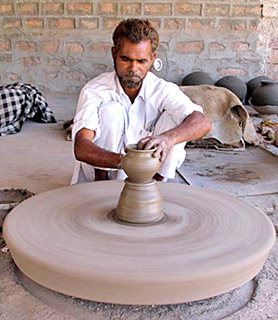
Kumbhakar / Kumhar Caste
Kumbhakar or Kumhar caste is a traditional artisan community in India known for pottery making. Derived from Sanskrit word Kumbhakar, meaning potter,...

Gujjars in Mughal Era
Gujjars in the Mughal era enjoyed great power. Further their power increased with the decline of Aurangzeb, Mughal emperor.
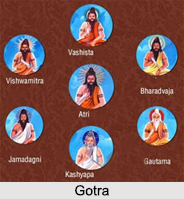
Gotra in Hinduism
In Hinduism, gotra refers to a lineage system tracing descent from ancient sages, primarily through the paternal line. Originating from Vedic traditio...