
The members of the Chandraseniya Kayastha Prabhu community are scattered all over India. However, they are largely concentrated in Maharashtra-- the Deccan coast, Konkan and the coastal Kolaba District and Baroda.
Their origin is controversial. The name Chandraseniya is a corrupt form of Chandrashreniya. It refers to the people from the valley of the Chenab in Kashmir. The term `Kayastha` originates from the region around Ayodhya, which was called Kaya Desh. It was at this place that the Chandraseniya Prabhus settled. `Prabhu` denotes a high government official. Traditionally, they have been record keepers and scribes. They were appointed by Shivaji as custodians of his forts and held high offices in Peshwa and Mughal times but later shifted their allegiance to the Nizam, the Gaekwads and Holkars. With the advent of British rule they became clerks and `vakils` (lawyers) and took up service in the army.
Navaratri is the most important festival of the community when a little girl often above the age of three, is dressed as a devi and worshipped as a Kumarika.
A religious community, the Kayasthas worships Ekvira of Karla who is the Kuladaivata.
They have the Upanayana ceremony and are Vedadhikaris (having the right to read the Vedas).
Chandraseniya Kayastha Prabhu
Chandraseniya Kayastha Prabhu are mainly settled in Maharashtra.
Recently updated articles in Religion in India
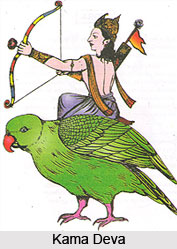
Kusumayudha
Kusumayudha is a name of Kamadeva, the Hindu God of Love. Depicted with a sugarcane bow and flower-tipped arrows, he represents attraction and longing...
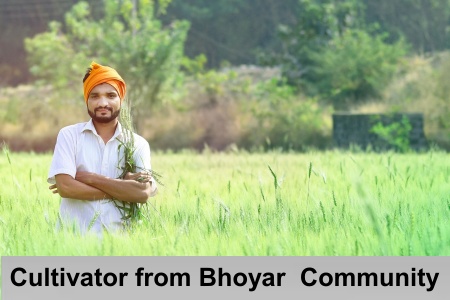
Bhoyar Caste
Bhoyar Caste is largely found in the Central Provinces of the country. Traditional occupation of Bhoyars is agriculture. They are good cultivators and...
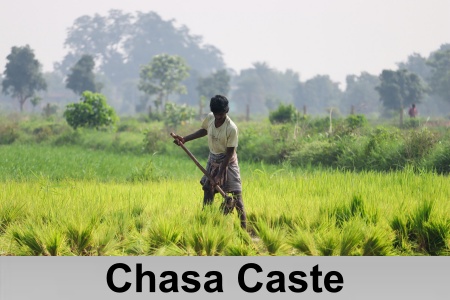
Chasa Caste
Chasa caste is a prominent agrarian community native to Odisha. Traditionally associated with cultivation and farming, Chasas have historically played...
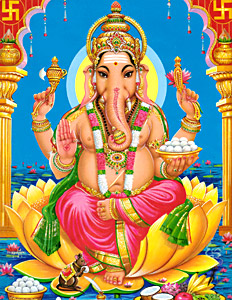
Vigneswara, A Form of Lord Ganesha
Lord Vigneswara is another form of Lord Ganesha or Vinayaka, prominently worshipped as the God of intelligence and good luck in the Indian subcontinen...
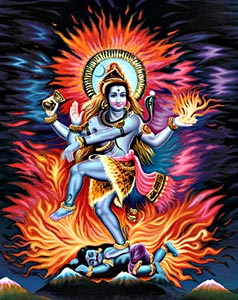
Maheswara
Maheswara, meaning “the Great Lord,” is a revered name of Lord Shiva in Hindu tradition. It represents Shiva’s supreme authority over creation, preser...
Related articles in Religion in India
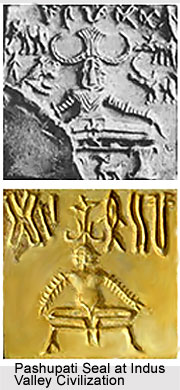
Religion in Indus Valley Civilization
Religion in Indus Valley Civilisation included Hinduism, Buddhism and Jainism. Details about the religion in Indus Valley Civilization have been gathe...
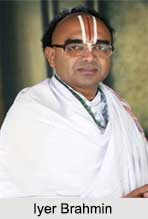
Iyer Brahmin
Iyer Brahmins are originally from Tamil Nadu of South India. They are known for their adherence to Advaita philosophy and Smarta traditions. Tradition...
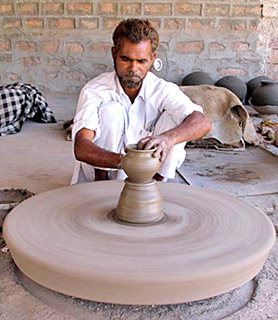
Kumbhakar / Kumhar Caste
Kumbhakar or Kumhar caste is a traditional artisan community in India known for pottery making. Derived from Sanskrit word Kumbhakar, meaning potter,...

Gujjars in Mughal Era
Gujjars in the Mughal era enjoyed great power. Further their power increased with the decline of Aurangzeb, Mughal emperor.
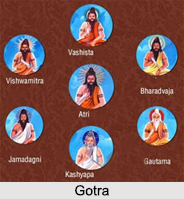
Gotra in Hinduism
In Hinduism, gotra refers to a lineage system tracing descent from ancient sages, primarily through the paternal line. Originating from Vedic traditio...