
Under the supremacy of the British in India, the economic condition of the rural India was much affected. The peasants were ruthlessly crushed and they were forced to cultivate indigo in their lands instead of foods crops. The peasants continuously crushed, gradually organized a revolt against their oppression. However the Indigo Cultivators Revolt was primarily directed against the British planters who behaved like the feudal lords in their estates. The revolt enjoyed the supports of all categories of rural population. The zamindars, moneylenders, rich peasants and even the karmacharis of indigo concerns.
Right from the beginnings of the 19th century many retired officials of the East India Company and some slave traders of England owned several lands from the Indian zamindars in Bihar and Bengal. In these lands they began a large-scale cultivation of indigo. First of all the price was too low in India. Hence the Indigo planters could make enormous profits by cultivations indigo in India.
The indigo planters committed great cruelty and oppressions on the indigo cultivators in the process of forcing them to grow indigo crops under terms, which were least preferable to them. In April 1860, all the cultivators of Barasat subdivision and in the districts of Patna and Nadia resorted to strike to articulate their demands. This strike was the first general strike in the history of Indian Peasantry. The peasants collectively refused to cultivate and to sow the seeds of indigo. The strike gradually spread to Jessore, Khulna, Rajshahi, Dacca, Malda, and Dinajpur and in the extensive regions of Bengal. The British Government got alarmed when s encountered the unified resistance. The Government of India apprehended a great agrarian uprising. The Government ordered a notification to be issued enjoining on the police to protect the riot in the possession of his lands, on which he was at liberty to sow any crop he like. But he was prohibited to interfere in the on the part of the planter or anyone else. The planter however if he liked could move to the civil court for breach of contract. Ultimately the indigo Commission was appointed in 1860. The Commissions made several recommendations, which were embodied in Act VI of 1862. The Indigo Revolutions had widespread influence and it was extended in the regions of Bihar an Uttar Pradesh.
Bengal Indigo Cultivators Revolt
Indigo Cultivators Revolt was primarily directed against the British planters and enjoyed the supports.
Recently updated articles in History of India
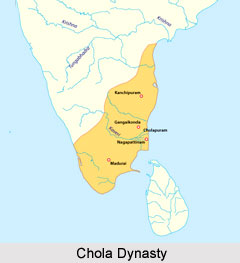
Chola Dynasty
Chola Dynasty is a Tamil dynasty and had longest duration of ruling in parts of South India. Chola dynasty had ruled South India successfully for a ex...
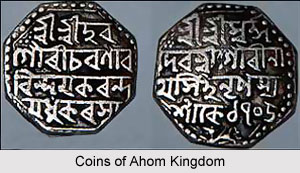
Suhungmung
Suhungmung was the fourteenth ruler of the Ahom dynasty who ruled from the period 1497 to 1539 AD. His reign was significant in terms of expansion of...
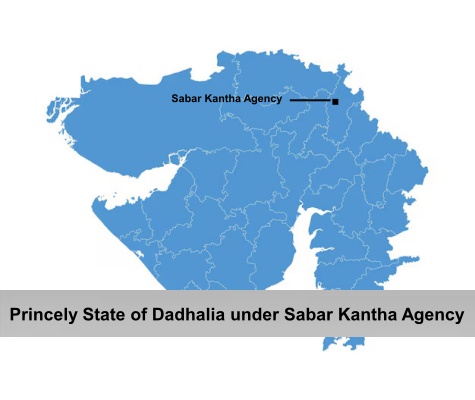
Princely State of Dadhalia
Princely State of Dadhalia was located in the present state of Gujarat. The state covered a total area of 28 sq miles and comprised of 15 villages. Th...
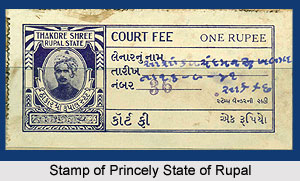
Princely State of Rupal
Princely State of Rupal was a part of the Baroda Agency, a sub division of Western India States Agency. It was under the administrative control of the...
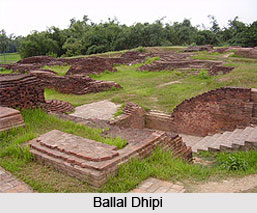
Archaeological Sites of West Bengal
Archaeological sites of West Bengal reveal several aspects of ancient India. Excavations by the Archaeological Survey of India have furnished artefact...
Related articles in History of India

Mughal Architecture during Babur
Mughal architecture during Babur marked the foundation of a new architectural era in India, blending Timurid, Persian, and local influences. His reign...
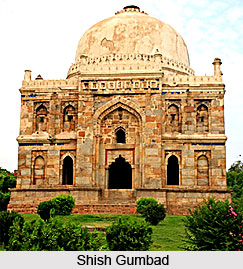
Architecture during Sayyid and Lodi Dynasty
Architectures during the Sayyid and Lodi dynasty were mainly the tombs and monuments for the dead rulers. It were carefully designed and meticulously...
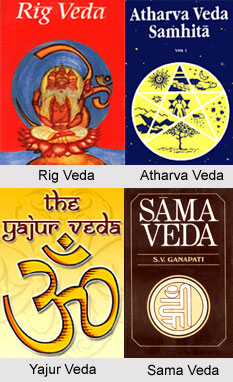
Brahmanical Sources of Ancient History
Brahmanical Sources of ancient history are contained in the Vedas and they constitute one of the most important literary sources of information about...
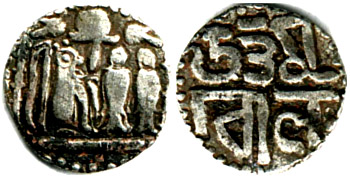
Coins of Chola Empire
Coins of Chola Empire were issued in gold, silver and copper and carried the Chola emblem.
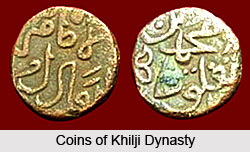
Coins of Khilji Dynasty
Coins of Khilji Dynasty had an influential feature that was followed by the other dynasties.