
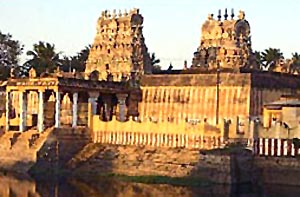
 Kumbakonam, in Tanjavur district, is one of the most famous ancient towns in Tamil Nadu. The antique town has a history dating back to the time of the Cholas, whose capital-city Pazhaiyarai was situated next to it. The town of Kumbakonam is renowned as the town of temples. It is the abode of several famous Vishnu shrines in South India. Among them the significant is the Chakrapani temple. The temple is famous for its antiquity and traditional greatness. The legendary temple is the home of several important deities highly venerated by the devotees.
Sri Chakrapani Svami Temple
This is an important temple, famous for its traditional greatness.
Introduction
Kumbakonam, in Tanjavur district, is one of the most famous ancient towns in Tamil Nadu. The antique town has a history dating back to the time of the Cholas, whose capital-city Pazhaiyarai was situated next to it. The town of Kumbakonam is renowned as the town of temples. It is the abode of several famous Vishnu shrines in South India. Among them the significant is the Chakrapani temple. The temple is famous for its antiquity and traditional greatness. The legendary temple is the home of several important deities highly venerated by the devotees.Legend of Sri Chakrapani Svami Temple
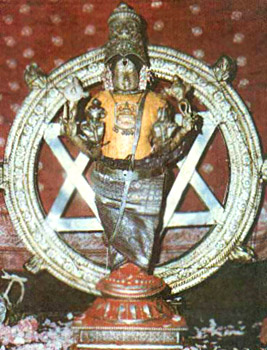 The Chakrapani temple is situated on the south bank of the river Kaveri, approximately two kilometers towards the north-west from the Kumbakonam railway station. It is an antique temple where the legendary stories have attached a majestic grandeur. Moreover the Chakrapani temple deserves special mention as the legendary stories depict it to be the only temple where the principal deity is Sri Sudarsana (Chakrapani). Sri Sudarshana or Chakrapani is believed to be the most potent of all the weapons (ayudhas) of Sriman Narayana. Hence the temple of Lord Sri Chakrapani is considered as a sacrosanct. Sri Sudarsana is considered as the sacred will (sankalpa) of Lord Vishnu. According to the legendary stories associated with the temple it is believed that Lord Vishnu once dispatched Sri Sudarsana to destroy the demon Jalandasura in the nether-world (patal-loka). Having executed this task, Sri Sudarsana emerged from below the earth at Kumbakonam on the bank of the Kaveri and reached Lord Brahma who was then bathing in the river. Following this legendary story, the small town of Kumbakonam is considered sacred. With this task of Sri Sudarsana, Brahma was extremely delighted and eventually he consecrated the image of Sri Sudarsana at this place and worshipped him.
Meanwhile, Surya or Bhaskara (the Sun God), who was conceited on account of his own brightness and brilliance, noticed that Sri Sudarsana`s popularity was much more than his own. In order to remove Surya`s conceit, Sri Chakrattazhvar absorbed Surya`s glow into His own and the former became dull and powerless. Surya, in order to regain his lost splendor, surrendered to Sri Sudarsana. From the legends it is known that on full-moon day in the month of Vaikasi (May-June), Sri Chakrapani, with eight arms and the third eye on His forehead, and His body the color of fire, restored to Surya his lost glory. Surya requested Sri Sudarsana that this place be named Bhaskara Kshetra after his own name and his boon was granted. The place where Sri Sudarsana emerged from below is called as Chakratirtham and Chakra paditthurai. As the legendry stories depict, right from that time Lord Sri Sudarsana is worshipped as a god and his highly venerated by the devotees.
However the legendary stories associated with the temple has endowed the temple with an added grandeur of majestic greatness.
Architecture of Sri Chakrapani Svami Temple
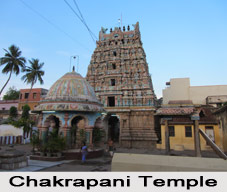 Sri Chakrapani Svami temple is famous for its antiquity and the legendary stories associated with it. The architectural skill of the contemporary craftsmen has attached an additional grandeur to the temple. The entire sanctum of Sri Chakrapani Svami is east-facing temple and it is the exceptional specimen of the contemporary architectural pieces. The temple enshrines in the main sanctum, the awe-inspiring, standing image of Lord Sri Chakrapani or Chakra raja with the third eye (trinetra) on His forehead and eight hands holding various weapons including the conch (sankha) and discus (chakra) within the six-pointed (shadkona) chakra. Next to the Lord is erected the beautiful and gracious image of Goddess Sudarsanavalli. The proper arrangement of the images of the deities is extremely fascinating. Inside the sanctum, to the left side of Sri Chakrapani is erected the icon of Brahma, and to His left, those of Surya, Sri Chakrapani, Kumbakonam Agni and Ahivbudhnya (Siva). The utsava-murti or the processional image in this sanctum resembles the main image with eight arms holding the same number of weapons. The images of the deities are at the same time testifying the architectural craftsmanship.
The structural design of the temple is no less fascinating. The excellence of the contemporary artists is evident from the structural design of the shrine. This principal sanctum is on a higher level than the rest of the temple and has to be ascended by a flight of steps. The vimana above the main sanctum is known as Vaidika Vimana, which is the evidence of the contemporary sculpture. Immediately in front of this sanctum is erected a small pillared mandapa where there is another bronze icon of Sudarsana and an alcove in front enshrines the image of Sri Garuda.
Another larger mandapa in front houses the rare and yet unusual metal sculpture of the Maratha king of Tanjavur, Sarabhoji Maharaja with his daughter by his side. With this architectural specimen, a legendary story is also associated. It is believed that this ruler`s daughter was suffering from an illness, which was cured through the grace of Sri Chakrapani. The king was elated and became the devotee of the lord. This devotee-king installed these bronze icons erected in the posture of prayerful attitudes facing Lord Chakrapani in gratitude. Moreover the king in addition made several benefactions to this temple. There are many deities like Lord Lakshmi Nrisimha, Sri Tumbikai Azhvar, Lord Lakshmi Narayana, Sri Anjaneya and Lord Vaikunthanatha are enshrined in tiny shrines in the circumambulatory passage (pradakshina patha) around the main sanctum.
In the outer prakara of this temple is a separate sanctum dedicated to Goddess Vijayavalli. It was constructed during the time of Sri Ahobila Math`s 41st Jiyar under the order of Shri Uttara Ahobila Mathadhipati Sarvatantra Svatantra Sriman Svami Bala Mukundacharya by his disciples. The entrance to the temple is highly attractive. The principal gate or the entrance is through a medium sized gopura next to which is located a round shaped mandapa carved in the Maratha style of architecture. The architectural style is possibly a product of king Sarabhoji`s era. A separate sannidhi enshrining the large image of Vira-Anjaneya and the sacred tank (pushkarini) called Chakra Tirtha is found nearby. Thus the architecture of the temple has attached an imposing splendor to the antique temple.
Festivals of Sri Chakrapani Svami temple
The festivals observed in Sri Chakrapani Svami temple reveals the cultural significance of the temple. A number of festivals are celebrated throughout the year in this temple. The festivals are performed with enough pomp and grandeur. All the rituals in this temple are according to the Pancharatra Agama (Sriprasna Samhita). Every month during Magham asterism (nakshatram) there is organized a procession of the deity. In Panguni ((March-April) the Tirukalyanam takes place; in Chittirai (April-May) during the time of Akshaya Tritiya, the Garuda Seva and Ratha Saptami are celebrated; in the month of Vaikasi (May-June) during Visaka asterism, the Teppotsavam or float festival is performed. In Avani (August-September), Pavitrosavam takes place; in the month of Purattasi (September-October), Navaratri and Vijayadasami; and in Kartigai (November-December), the Deepotsavam is performed. The most important festival, the Brahmotsavam is celebrated in the month of Masi (February-March). During the festival a number of devotees gathered around the temple precincts in order to offer their worship and veneration to the Lord.
Recently updated articles in Temples of India
Rathnapureeswarar Temple
Rathnapureeswarar Temple in Tiruvarur district, Tamil Nadu, is a revered Shaivite shrine among the Paadal Petra Sthalams. Dedicated to Lord Shiva, it...
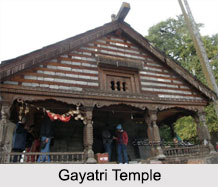
Gayatri Temple, Sirmaur
Gayatri Temple is located in Sirmaur district, Himachal Pradesh. Gayatri Temple is a sacred shrine that belongs to the medieval age.
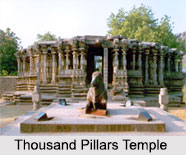
Thousand Pillars Temple
Thousand Pillars Temple, Andhra Pradesh possesses 1000 pillars built by the Kakatiya ruler Rudra Deva during 1163 AD and is adorned with beautiful scu...
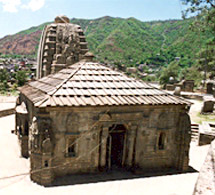
Triloknath Temple, Mandi District
Triloknath Temple is built in the Shikhara style of architecture, situated in Mandi, HP.

Shiv Temple at Mooni, Jammu & Kashmir
Ideally seated at the Billawar taluk of Kathua, Shiv Temple is a holy shrine.
Related articles in Temples of India
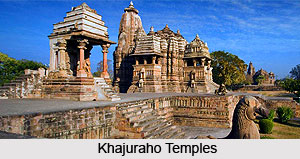
Khajuraho Temples
Khajuraho Temples are known the world over for their beauty and architectural construction. This group of temples is situated in the central Indian st...
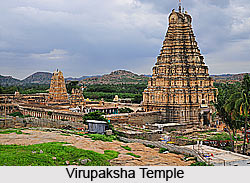
Temples In Hampi
Temples in Hampi are the manifestations of rich religious beliefs and architectural and sculptural abundance.
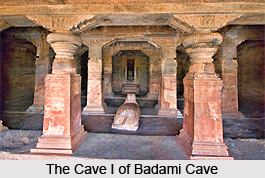
Badami Cave Temples
The Badami Cave Temples, an exemplary production of Indian architecture, are situated in the town of Badami.
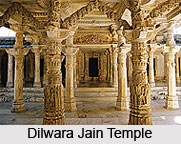
Temple Architecture During Rajput Period
Temple architecture during the Rajput period was inclined to the aspect of Bhakti. Rajput kings encouraged this art which is reflected in the grandeur...
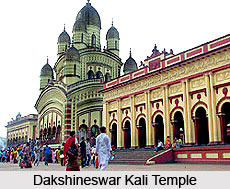
Medieval Temples of India
Medieval temples of India vary from each other due to the style and architecture. The impact of the prevalent kingdom is prominent in the style of bui...