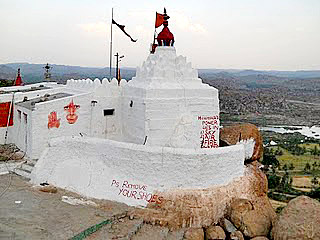
 Anegundi is a place near the mountain Rishimuka. It is a part of the Dekhin and its neighbourhood area is cited in the epic Ramayana. Anegundi is a village in Gangavathi in the district of Kopal across Tungabhadra River. Anegundi meaning an `elephant pit` in Kannada is situated in Karnataka. There is a myth that the Vijayanagara kings used to keep their elephants here. It is said to be the monkey kingdom of Kishkindha in Ramayana and is 5km away from Hampi. It is considered to be the oldest in the planet and dates back to around 5000 years ago. It has a very thin population of about 3000 people. The village has a scenic beauty with striking architectural work. The village also has many primordial temples and other ancient edifices.
History of Anegundi
The village of Anegundi has an age old history which can be dated back to the time period of emperor Ashoka. Anegundi is the main structure of the Krishnadevaraya dynasty of the famous Vijayanagar Empire. The birthplace of lord Hanuman, Anjanadri hill and the mountain Rishimuka are located in Anegundi. Another significant place, Kishkindha is situated in Karnataka in Hampi. Kishkindha is said to be the kingdom of Sugriv`s brother Bali, a legendry character of Ramayana. Sugriv had bestowed the kingdom to Lord Rama after he killed Bali in a battle. The village thus has its bearings with the epic Ramayana. Having a mythological antiquity, Anegundi is much sought after by tourists all over the globe.
Tourist Spots in Anegundi
Anegundi is complimented with legendry temples and stone sculptures that boast of its rich cultural heritage. All these have been preserved down the years that draw a throng of tourists from all over the world. The charm of the conventional village, the architectural beauty, the stirring landscapes are all enticing for the visitors. Apart from these there are other picturesque stopovers in Anegundi.
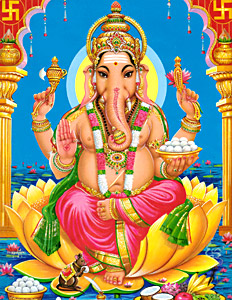
The ancient Hanuman Temple in the Anjanadri hill with monkeys surrounding the place, Lord Ranganatha Temple (believed to the incarnation of Lord Vishnu) and the Ganesh temple all serves as a tourist spot. Besides this The Archaeological Museum has a fine collection of prehistoric sculptures, weaponries from the 16th century and Neolothic tools. There is also a seven Gagan Palace, the Seven Headed Snake, Anegundi Fort Entrance Gate, Pampa Sarovara Laxmi Temple, Srikrishnadevaraya Samadhi, Anegundi North Main Entrance Gate, Chintamani Main Entrance Gate, Anegundi South Side Entrance Gate.
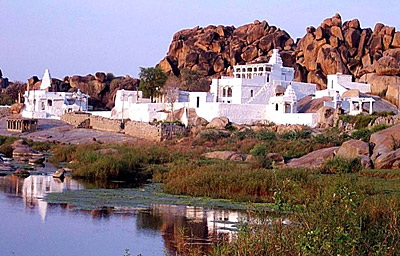 There a classic display of handicraft wood work on rocks .temples bearing these works are the Jain`s Temple, Shri Lord Gavi Ranganath`s Temple, and the Anegundi Garuda Sthambha. The Huchchaiappana Mutt is said to have been depicted with statues reflecting stories from Ramayana. A nearby village Nimvapuram has cremated remains of the legendry Ramayana character Bali. Nava Brindavana (nine Brindavana), a small island in Anegundi is famous for the nine tombs of nine Madhav saints.
The Kishkinda Trust has promoted the village of Anegundi to world heritage tourist spot. The dwellings in the village have been converted into guest houses to facilitate the tourists during their visit to the village. Thus, by holding back the essence of village life, sensitizing its antiquity and culture Anegundi has been serving them with a means of livelihood.