 All the reform movements of modern India have advocated the upliftment of women. More or less all of them have succeeded in this attempt. The custom of Sati was declared illegal in 1829. Evils like child marriage have now almost disappeared from the educated classes of Hindu society. Widow remarriage was legalized in 1856. There has been a steady growth of education among women in modern times. Women are now taking active part in political sphere as well.
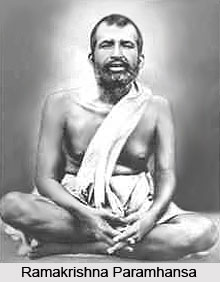
Sustained efforts have been made to improve the condition of the depressed classes, the Scheduled Castes and Scheduled tribes. The Government and many voluntary organizations are imparting free education. Various attempts have also being made to improve their economic condition. All these are the results of the Renaissance, which started with Ram Mohun Roy, sustained by organizations like Brahmo Samaj, Arya Samaj and Ramkrishna Mission and accelerated by the teachings of Swami Dayananda, Vivekananda and Gandhiji.
Increasing contacts with the outside world stimulated deep and creative thought and have inspired Literature and Art with stirring ideals and set up fresh and higher standards. In the path some other helping agents were a revived and finer appreciation of the national culture of past ages, the urge of thorough reformation in all aspects of life and society, and the development of new situations and problems in the country.
The mingling of the old and the new was a characteristic feature of nineteenth century. History is nicely illustrated in the works of Bankim Chandra Chattopadhyaya and Rabindranath Tagore. Tagore was given the Nobel Prize for literature. Prem Chand wrote about the misery of the poor and oppressed in India`s villages. Important developments also took place in the field of art. Abanidranath Tagore and others tried to revive the classical Indian tradition of painting; Nandalal Bose painted scenes from the ancient legends as well as from the daily life of artisans and craftsmen. They were also drawn attention into the struggle for freedom.