
Arati or Alati is birth ceremony performed on the birth of a Brahman child. This ceremony is performed following some particular rituals. The married women hold a copper plate with both hands, upon which they place a lamp made of a paste from rice-flour. Oil is put on the lamp and it is lighted. The widow women are not allowed to do this ritual as their presence is thought to be unlucky. The women raise it as high as the head of the person for whom the ceremony is performed. Then a number of times the plate and the burning lamp are circled in that position.
While performing this Arati, sometimes, they fill the plate with water coloured red with a mixture of saffron and other ingredients in place of the lamp. Then they describe their circle in the same as done before. It is said that the aim of performing Arati is to prevent any fascination by the eye and to prevent the accidents which arise out of so called evil eyes of the and jealous looks of certain persons. This ceremony of Arati is quite prevalent among the Hindus and especially among persons of high rank. It is said that these group of people have more enemies than private individuals, who are more exposed to the evil influence of wicked or jealous looks. Therefore, when these people return home after a public appearance, this ceremony of Arati is performed on them. This ceremony is taken as an antidote to the wicked looks, which may have been cast upon them. Due to this, the princes had to face this ceremony several times during a single day.
Alati
Arati or Alati is birth ceremony performed on the birth of a Brahman child.
Recently updated articles in Religion in India
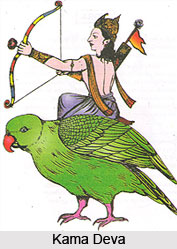
Kusumayudha
Kusumayudha is a name of Kamadeva, the Hindu God of Love. Depicted with a sugarcane bow and flower-tipped arrows, he represents attraction and longing...
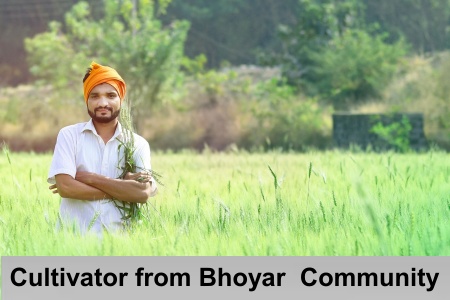
Bhoyar Caste
Bhoyar Caste is largely found in the Central Provinces of the country. Traditional occupation of Bhoyars is agriculture. They are good cultivators and...
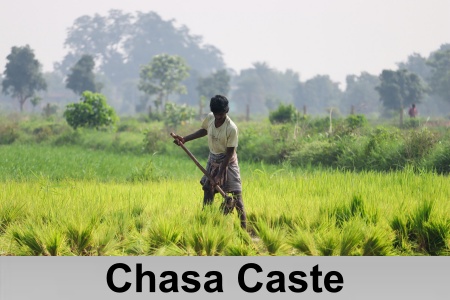
Chasa Caste
Chasa caste is a prominent agrarian community native to Odisha. Traditionally associated with cultivation and farming, Chasas have historically played...
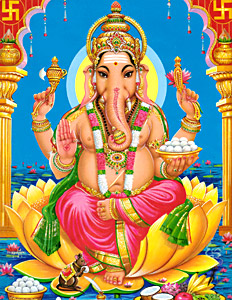
Vigneswara, A Form of Lord Ganesha
Lord Vigneswara is another form of Lord Ganesha or Vinayaka, prominently worshipped as the God of intelligence and good luck in the Indian subcontinen...
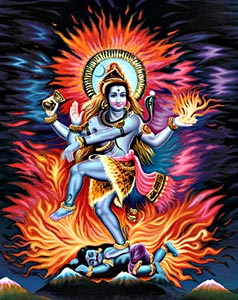
Maheswara
Maheswara, meaning “the Great Lord,” is a revered name of Lord Shiva in Hindu tradition. It represents Shiva’s supreme authority over creation, preser...
Related articles in Religion in India

Religion in Indus Valley Civilization
Religion in Indus Valley Civilisation included Hinduism, Buddhism and Jainism. Details about the religion in Indus Valley Civilization have been gathe...

Iyer Brahmin
Iyer Brahmins are originally from Tamil Nadu of South India. They are known for their adherence to Advaita philosophy and Smarta traditions. Tradition...

Kumbhakar / Kumhar Caste
Kumbhakar or Kumhar caste is a traditional artisan community in India known for pottery making. Derived from Sanskrit word Kumbhakar, meaning potter,...

Gujjars in Mughal Era
Gujjars in the Mughal era enjoyed great power. Further their power increased with the decline of Aurangzeb, Mughal emperor.

Gotra in Hinduism
In Hinduism, gotra refers to a lineage system tracing descent from ancient sages, primarily through the paternal line. Originating from Vedic traditio...