
Administration of Vishnukundina dynasty has been inferred from the ancient inscriptions that refer to Palki Rashtra, Karma rashtra, Guddadi Vishaya and so on. Madhav Varma III appointed members of the royal family as Viceroys. The king was the supreme as far as law was concerned. The Kings had established several punishments for various crimes. They were known for their impartial judgment and sense of justice.
Army in Vishnukundina Empire
Their army consisted of Elephants, Chariots, Cavalry and Infantry. Hastikosa was in charge of elephant forces and the Virakosa was in charge of land forces. They also issued grants on behalf of the kings.
Taxes in Vishnukundina Empire
As far as tax collection is concerned there has been well-organised administrative machinery for land revenue collection. Agrahara villages were exempted from taxes.
Religion in Vishnukundina Empire
Buddhism was propagated during the Vishnukundina period. There is a probability that the kings prior to the Madhav Varma II were patrons of Buddhism. Govinda Varma I was a Buddhist and builder of Stupas and Viharas. From the time of accession of Madhav Varma II, an aggressive self-assertion of the Vedic Brahmanism took place. Vedic ceremonies like Rajasuya, Purushamedha, Sarvamedha and Aswamedha were performed. This represents the militant spirit of the Brahmanical revival. The inscriptions refer to family deity Sri Parvata Swami.
It can be concluded that both the Hindu sects of Shaivism and Vaishnavism might have been equally patronised.
Literature in Vishnukundina Empire
The rulers of Vishnukundina dynasty were great patrons of learning. They even established colleges for Vedic learning. Learned Brahmins were encouraged by giving them gifts. Colleges were established for the propagation of Vedic studies. Indra Bhattaraka established several schools that would impart education on Vedic literature.
Some of the Vishnukundin kings also composed several books. Vikramendra Varma I was described as a great poet in a record. An incomplete work on Sanskrit poetics called `Janasraya Chando Vichiti`, was attributed to Madhav Varma IV `. Sanskrit language was also encouraged by the Kings.
Art and Architecture in Vishnukundina Empire
There were many Kings who were great devotees of Lord Shiva. They have constructed several cave temples that have been dedicated to Lord Shiva. The cave structures at Bezwada (Vijayawada), Mogalrajapuram, Undavalli caves and Bhairavakonda is believed to have been built by this dynasty. However some of these temples have been attributed to the Pallava Mahendra Varman I.
Administration of Vishnukundina Empire
Administration of Vishnukundina Empire was conveniently managed by dividing the empire into several Rashtras and Vishayas.
Recently updated articles in History of India
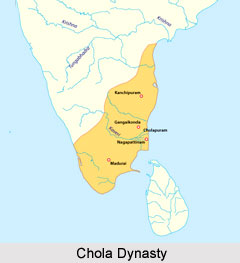
Chola Dynasty
Chola Dynasty is a Tamil dynasty and had longest duration of ruling in parts of South India. Chola dynasty had ruled South India successfully for a ex...
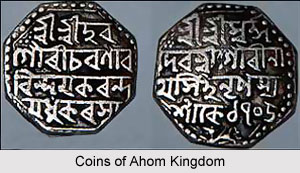
Suhungmung
Suhungmung was the fourteenth ruler of the Ahom dynasty who ruled from the period 1497 to 1539 AD. His reign was significant in terms of expansion of...
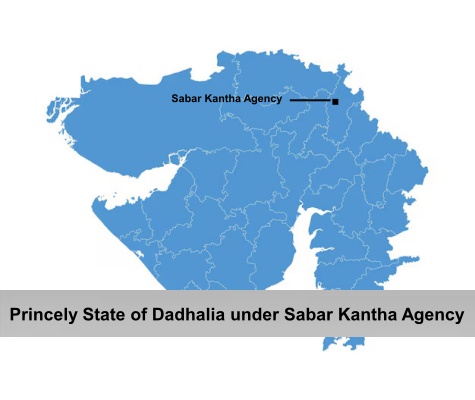
Princely State of Dadhalia
Princely State of Dadhalia was located in the present state of Gujarat. The state covered a total area of 28 sq miles and comprised of 15 villages. Th...
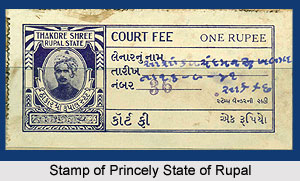
Princely State of Rupal
Princely State of Rupal was a part of the Baroda Agency, a sub division of Western India States Agency. It was under the administrative control of the...
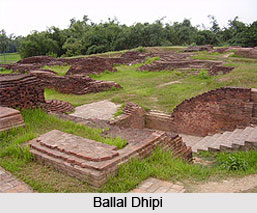
Archaeological Sites of West Bengal
Archaeological sites of West Bengal reveal several aspects of ancient India. Excavations by the Archaeological Survey of India have furnished artefact...
Related articles in History of India
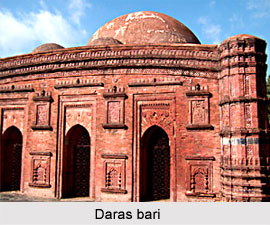
Mughal Architecture during Babur
Mughal architecture during Babur marked the foundation of a new architectural era in India, blending Timurid, Persian, and local influences. His reign...
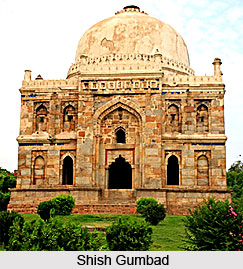
Architecture during Sayyid and Lodi Dynasty
Architectures during the Sayyid and Lodi dynasty were mainly the tombs and monuments for the dead rulers. It were carefully designed and meticulously...
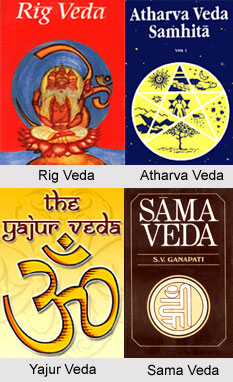
Brahmanical Sources of Ancient History
Brahmanical Sources of ancient history are contained in the Vedas and they constitute one of the most important literary sources of information about...
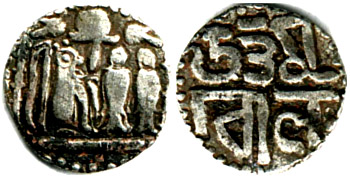
Coins of Chola Empire
Coins of Chola Empire were issued in gold, silver and copper and carried the Chola emblem.
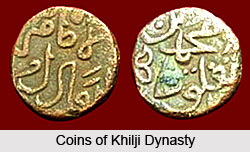
Coins of Khilji Dynasty
Coins of Khilji Dynasty had an influential feature that was followed by the other dynasties.