
Various ancient inscriptions reveal that the administration of Kadamba Dynasty had various cabinet and other positions in order to run it efficiently. The prime minister (Pradhana), Steward (Manevergade), secretary of council (Tantrapala), scholarly elders (Vidyavriddhas), physician (Deshamatya), private secretary (Rahasyadhikritha), chief secretary (Sarvakaryakarta), chief justice (Dharmadhyaksha) and other officials (Bhojaka and Ayukta) were the positions in the Kadamba Kingdoms.
The army comprised of officers like Jagadala, Dandanayaka and Senapathi. A prince of the royal family who is crowned helped the king in the affairs of administration. The duties of the governors were executed by the princesses of the royal family. For instance King Kakusthavarma had appointed his son Krishna as governor of Thriparvatha region. This however proved harmful to the kingdom as it gave opportunity for break away factions in the kingdom.
Tax System in Kadamba Dynasty
The kingdom was divided into provinces. Under a province came various districts. Nine provinces have been recognized. The taluks or Mahagrama and Dashagramas came under a Vishaya. A taluk had more villages than Dashagramas. One sixth of land formed the tax collection. Taxes were collected as levy on load or Perjunka, social security tax for royal family or Vaddaravula, sales tax or Bilkoda, land tax or Kirukula, betel tax or Pannaya and other professional taxes on traders.
Religion in Kadamba Dynasty
The Kadamba dynasty followed Vedic Hinduism. Mayurasharma was a Brahmin by birth. However, later his successors changed their surname to Varma to indicate that they were Kshatriyas. Some kings performed the horse sacrifice. They also worshipped Lord Shiva and Lord Vishnu. The Madhukesvara temple was built by this dynasty. Grants were also allotted to Buddhist viharas. The Kadambas patronised Jainism as many kings adopted the religion and built numerous Jain temples that are scattered around Banavasi, Belgaum, Mangalore and Goa.
This article is a stub. You can enrich by adding more information to it. Send your Write Up to content@indianetzone.com
Administration of Kadamba Dynasty
Administration of Kadamba Dynasty was a well organized structure. The kings of Kadamba Dynasty called themselves Dharmamaharajas.
Recently updated articles in History of India
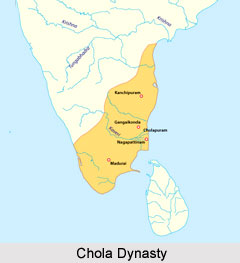
Chola Dynasty
Chola Dynasty is a Tamil dynasty and had longest duration of ruling in parts of South India. Chola dynasty had ruled South India successfully for a ex...
Suhungmung
Suhungmung was the fourteenth ruler of the Ahom dynasty who ruled from the period 1497 to 1539 AD. His reign was significant in terms of expansion of...
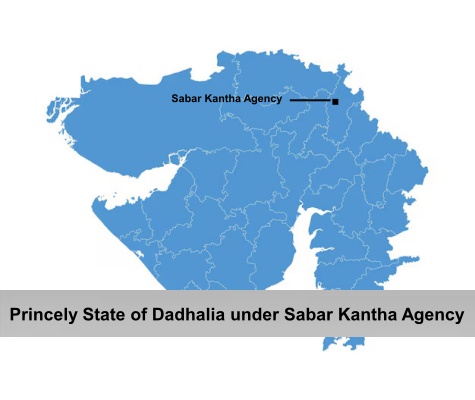
Princely State of Dadhalia
Princely State of Dadhalia was located in the present state of Gujarat. The state covered a total area of 28 sq miles and comprised of 15 villages. Th...
Princely State of Rupal
Princely State of Rupal was a part of the Baroda Agency, a sub division of Western India States Agency. It was under the administrative control of the...
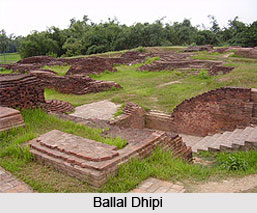
Archaeological Sites of West Bengal
Archaeological sites of West Bengal reveal several aspects of ancient India. Excavations by the Archaeological Survey of India have furnished artefact...
Related articles in History of India
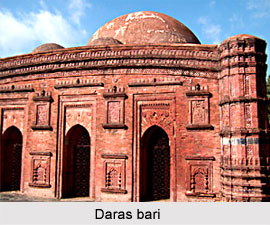
Mughal Architecture during Babur
Mughal architecture during Babur marked the foundation of a new architectural era in India, blending Timurid, Persian, and local influences. His reign...
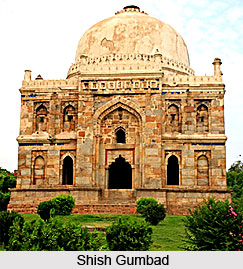
Architecture during Sayyid and Lodi Dynasty
Architectures during the Sayyid and Lodi dynasty were mainly the tombs and monuments for the dead rulers. It were carefully designed and meticulously...
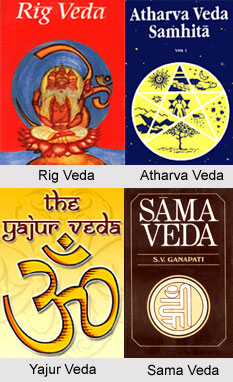
Brahmanical Sources of Ancient History
Brahmanical Sources of ancient history are contained in the Vedas and they constitute one of the most important literary sources of information about...
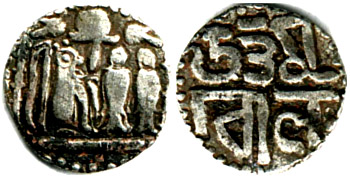
Coins of Chola Empire
Coins of Chola Empire were issued in gold, silver and copper and carried the Chola emblem.
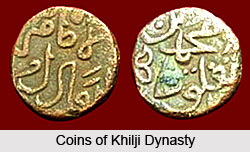
Coins of Khilji Dynasty
Coins of Khilji Dynasty had an influential feature that was followed by the other dynasties.