
Agharia caste is the cultivating caste mainly belonging to Sambalpur District and adjoining areas of Orissa. They are also found in some regions of central provinces of the country. In the central region, they are found in Raigarh and Sarangarh regions and Bilaspur District and in some areas of the Chota Nagpur region. According to some legends, it is believed that the forefathers of the Agharias were the Rajputs who resided near Agra. However, some of the Agharias also claim to be Somvanshi Rajputs. Agharias are basically tall, well-made, with features similar to that of Aryans and yellowish-brown complexions.
Agharia caste has two major sub-divisions namely Chhote, superior Agharias and Sarolia, mixed or inferior Agharias. The second sub-division is of mixed character. The superior Agharias will not take food or water from the other group. Several other sub-divisions like the Ratanpuria, Phuljharia and Raigarhia are those living around Ratanpur, Phuljhar and Raigarh. Further, Agharia caste is said to have around 84 gotras or exogamous sections, out of which nearly 60 groups bear the title of Patel, 18 bear the title of Naik and six that of Chaudhri. All the names of the sections are of mixed type, some are similar to those of eponymous Brahmin gotras, as Sandilya, Kaushik and Bharadwaja. Others being those of some Rajput septs, such as Karchhul; while the rest are the names of plants and animals like Barah (pig), Baram (Peepul tree), Nag (cobra), Kachhapa (tortoise), and several other local terms with different meanings. It is also believed that originally this caste consisted of a nucleus of the immigrant Rajputs.
In Agharia caste marriages within the same exogamous group and also between the first cousins are prohibited. However, in some places the marriage of a sister`s son with the daughter of a brother is allowed. Child marriage takes place in Agharia society. There are some basic customs, which the Agharias need to follow. Like for instance, the bridegroom should be older than the bride. Usually, marriages are celebrated during the Magha and Phalguna months. In Agharia caste, polygamy, widow re-marriage and divorce are permitted. Agharias are religious by nature and they worship Dulha Deo. Each Agharia family has a spiritual guide, who is consulted occasionally. They burn the dead and throw the ashes into a river. Agharias are considered proficient as cultivators.
Agharia Caste
Agharia Caste of Orissa has a very mixed type of structure and the main occupation of this caste is cultivation. With the relocation of the Agharias from Orissa, considerable portions of the total population of Agharias are found in the central provinces of the country.
Recently updated articles in Religion in India
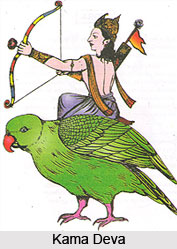
Kusumayudha
Kusumayudha is a name of Kamadeva, the Hindu God of Love. Depicted with a sugarcane bow and flower-tipped arrows, he represents attraction and longing...
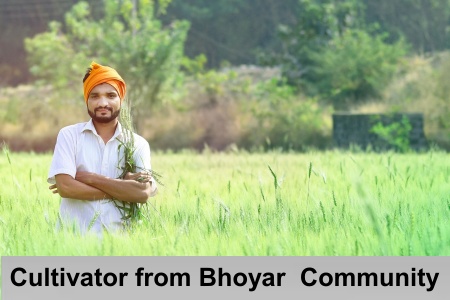
Bhoyar Caste
Bhoyar Caste is largely found in the Central Provinces of the country. Traditional occupation of Bhoyars is agriculture. They are good cultivators and...
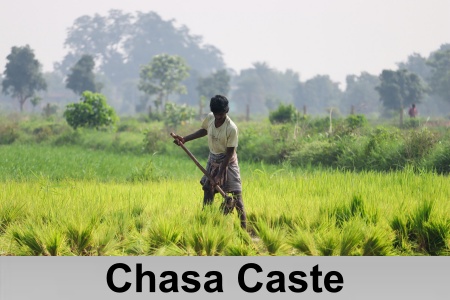
Chasa Caste
Chasa caste is a prominent agrarian community native to Odisha. Traditionally associated with cultivation and farming, Chasas have historically played...
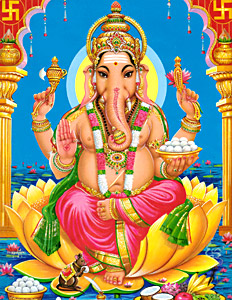
Vigneswara, A Form of Lord Ganesha
Lord Vigneswara is another form of Lord Ganesha or Vinayaka, prominently worshipped as the God of intelligence and good luck in the Indian subcontinen...
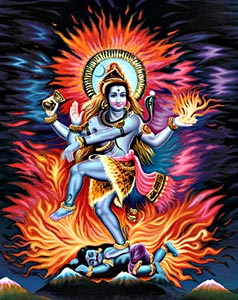
Maheswara
Maheswara, meaning “the Great Lord,” is a revered name of Lord Shiva in Hindu tradition. It represents Shiva’s supreme authority over creation, preser...
Related articles in Religion in India
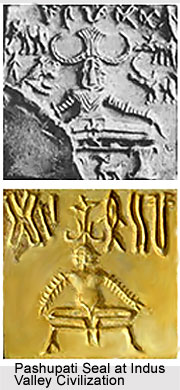
Religion in Indus Valley Civilization
Religion in Indus Valley Civilisation included Hinduism, Buddhism and Jainism. Details about the religion in Indus Valley Civilization have been gathe...
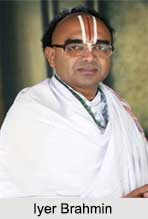
Iyer Brahmin
Iyer Brahmins are originally from Tamil Nadu of South India. They are known for their adherence to Advaita philosophy and Smarta traditions. Tradition...
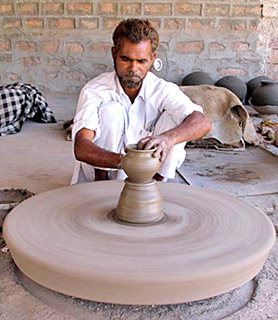
Kumbhakar / Kumhar Caste
Kumbhakar or Kumhar caste is a traditional artisan community in India known for pottery making. Derived from Sanskrit word Kumbhakar, meaning potter,...

Gujjars in Mughal Era
Gujjars in the Mughal era enjoyed great power. Further their power increased with the decline of Aurangzeb, Mughal emperor.
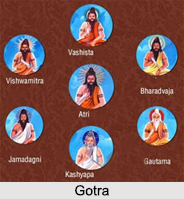
Gotra in Hinduism
In Hinduism, gotra refers to a lineage system tracing descent from ancient sages, primarily through the paternal line. Originating from Vedic traditio...