 The infamous and devastating famine in western India that lasted for a period of two years, 1896-98, had left its stinging impact on the helpless natives. The summer monsoon rains of 1897, however, were aplenty. So was the subsequent harvest, which brought an end to the famine in autumn 1897. However, the rains, which were particularly heavy in some regions, sparked off a malaria epidemic which killed many people. Soon afterwards, an epidemic of the bubonic plague began in the Bombay Presidency, which although not very lethal during the famine year, would, in the next decade, become more blistering and spread to the rest of India.
In July 1896, bubonic plague was first reported in Bombay. The infectious source was thought to have been from rats on ships arriving from Hong Kong. Waldemar H. M. Haffkine (1860-1930) determined the diagnosis and initiated the use of his anti-plague vaccine with mixed results.
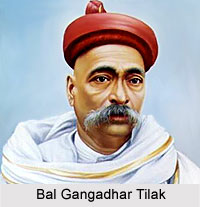
On 10th May, a Hindu and Muslim memorial addressed to the Governor of Bombay warned of the invasive nature of the British sanitation measures to Hindu religious practices and Muslim habits. On 22nd June, in Poona (present day Pune, Maharashtra) the brothers Damodar and Balkrishna Chapekar, murdered Walter C. Rand, Chairman of the Bombay Plague Committee and Lieutenant Charles E. Ayerst. Following investigations, Bal Gangadhar Tilak (1856-1920) was charged and convicted for sedition due to his newspaper editorials published in Kesari. The Court sentenced Tilak to eighteen months on imprisonment.
On 2nd October, a Plague Commission was formed in Bombay and Andrew Wingate (1846-1919) was appointed as presiding officer. On 13th October, the Government of Bombay appointed a Scientific Committee to study the nature of plague and its response to drugs. Other measures that were taken comprised inspection, disinfection and cleaning of houses, isolating plague victims at hospitals, limitations and protections for travellers migrating from known centres of infection and the quarantine of ships coming from infected ports.
In March 1898, the Muslims rioted in Bombay due to the anti-plague restrictions and then on May 21 induced disturbances in Calcutta.
In September, Lord Sandhurst (1855-1921), Governor of Bombay, terminated the quarantine system and substituted less invasive anti-plague measures. Approximately twenty thousand Indians died of this vicious attack of plague in Bombay.