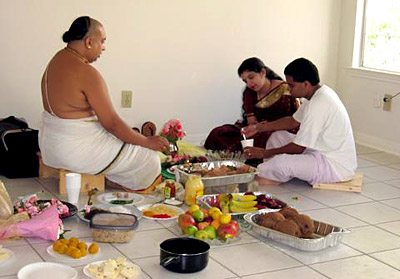
 Griha Pravesh is a well known Indian Hindu custom. It is performed during the occasion when one enters in a new house. In some cases even re-entry into an old house also calls for performing the ceremony of Griha Pravesh. This custom is executed on a previously fixed date and at a particular time according to the astrology chart. The purpose of this ritual is to keep away the evil forces from the house by worshipping the Almighty.
When a house gets ready, the family moves in after performing the ceremony of Griha Pravesh. This Griha Pravesh is an old practiced ritual since the Vedic period. This puja is performed to invite the Gods and planets symbolically to the newly built home. It is also said that Griha Pravesh puja is done to appease the Gods for seeking their blessings for the well being of the family members of the newly built house. The puja is also conducted to keep away negative forces and is also marked as the thanksgiving ceremony to the gods and the ancestors for the boon of having a new house. During the Griha Pravesh the `Muhurat` or the auspicious moment is decided according to the `Panchang` or Hindu calendar.
Types of Griha Pravesh
Apoorva: It means the first entry to a house which has been newly built.
Sapoorva: It means the entry into an existing house after migrating elsewhere or travelling abroad.
Dwandwah: It means entry into a house that has been either reconstructed or renovated subsequent to damage because of fire, earthquake or flood. Dwandwah is also known as `Old` Griha Pravesh.
Exact propitious moment is required for Apoorva Griha Pravesh that is decided according to the traditional calendar. For Sapoorva and Dwandwah, the clarity of Panchangam is given due consideration. The first entry into a house is considered as highly auspicious if the sun is in `Uttarayan` position. On the other hand, for entry into old or reconstructed houses Jupiter or Venus is setting. The auspicious and inauspicious months according to the lunar calendar have an important impact on Griha Pravesh.
Significance of Griha Pravesh
Griha Pravesh in Baisakh denotes growth of wealth and prosperity while Jyestha brings gain of son and cattle. In the month of Magha symbolises gain of wealth; in Falgun indicates gain of children and wealth; these are all auspicious months. According to Panchangam, the result of Griha Pravesh would be fair and there will be no major effect if it is done on Kartika and Margshirsh. If the Griha Pravesh is done on inauspicious months like the Asadha, Asadha, Ashwin and Paush result can be negative like could lead to losses, pains, troubles and fear of enemies.
Ceremonies Associated with Griha Pravesh
Vastu Puja: Vastu puja is conducted outside the house before the entry into the house. It is performed to satisfy Vastu Devata. For performing this puja, firstly water, `Navadhanya` (nine kinds of grains) and a one rupee coin are required
Vastu Shanti: Vastu Shanti, also known as Griha Shanti, involves a Havan or Homa. A havan is performed to create a peaceful environment and to keep away all the negative forces and to prevent harmful influences of the planets. It is said that the various herbal and medicinal ingredients in the smoke from Havan purify and cleanse the air of the house. This is done along with chanting of the Rakshoghna Mantra and the Pavamana Mantra.
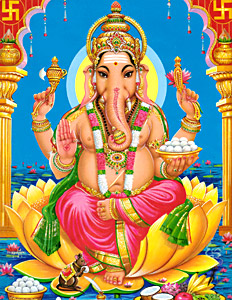
Once all the pujas are done, a feast and some Dakshina or fees are offered to the priest for his service and well wishes. The other pujas done during this occasion are Ganapati puja, Satyanarayan puja or Lakshmi puja. Though these pujas are optional and performed only on the recommendation of the priest. This custom is related with the coming of many relatives and guests. Finally the guests are served food as `Atithi Narayana`.