Popularity of Indian Fables
What is even more interesting is that through generations Indian fables are transmitted and gestated verbally. There is hardly any documentation. It was during the British rule only efforts were taken to preserve Indian Folktales and Indian fables in its original silhouette and format. Study unveils that the forms of Indian Folktales and Indian fables are wide and self -encompassing and the brilliance of the Indian Folk Art, the anecdote of the Indian Folk tales, the heroic deeds of the Indian Folk Heroes and even the mysticism of the Indian folk deities all are classically unified to delineate the outlines of Indian Folktales and fables.
 Famous Indian Fables
With its wide range of stories, from historical to mythological legends, which emerge from all walks of life, famous Indian fables from `Panchatantra` to `Hitopadesha`, and `Jataka` to `Akbar-Birbal` encompasses the culture across the length and breadth of the country.
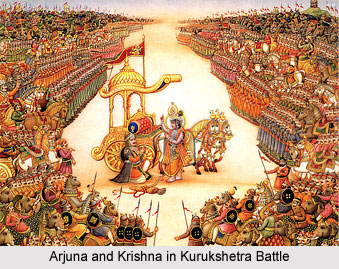
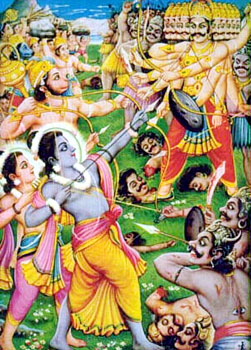
Indian fables have weaved that magic thread to captivate, mesmerize and at the same time to teach moral, spiritual and social values. Even the excerpts from great Indian epics like the Ramayana and the Mahabharata, teamed with the religiosity of the Bhagavad Gita make Indian fables perfect stories for children to instill great virtues in them.
The Wedding of the Mouse This Indian fable narrates the story of King of mice conveying a moral that no one is too small to do big things. Even a mouse can bore a mountain and make his home independently to prove he is stronger than any human.
Sulasa and Sattuka The story of Sulasa and Sattuka is from the famous Jataka tales, a lengthy work of literature that talks about Gautama Buddha"s previous births. The story reflects that wisdom is not confined to men only. A woman can be equally wise to ask for suggestions and counseling.
The Mongoose and the Farmer"s Wife This is a story from “Panchatantra†that leaves the readers with a strong message. The story is often told to children to teach them how acting in haste can have dire consequences.
Akbar and Birbal This is one of the popular series of Fables that narrates several incidents between Mughal emperor Akbar and his advisor and army commander Birbal. Birbal"s unsurpassable wit makes every story interesting while also conveying a meaningful moral. Tenali Rama"s Dream This is again a fairytale that describes an incident between a king and a commoner. The moral of the story is that chasing impossible dreams is not always a good idea. The Broken Pot
It is a fable that lets us know of our flaws and its purpose. The story reveals that every human being is unique in their flaws so we all are broken pots meant for some purpose. Nothing in this world is waste, even a broken pot serves a purpose.
Whether it is to preserve history or provide moral lessons, ancient folk tales have served a much bigger purpose that just entertaining people. These stories will continue to live for generations, educating people on various aspects of life through the valuable morals they convey.