 Indian Culinary Influences by Indian Invasion has brought variety in the cuisine of India. It has originated on the basis of foreign invasions. According to history, the Indian cooking style is an amalgamation of various cultures and traditions as well as beliefs. Ancient India was intruded on a number of times by different invaders from different parts of the world. These invasions played a major role in bringing a change in the cooking style of the country. Indian Culinary Influences by Indian Invasion thus took place. It has been a culinary revolution for the Indian subcontinent.
In the olden days foreign flavour got mingled with Indian cookery while trading with Greeks, Romans and Egyptians. Indian Culinary Influences by Indian Invasion took place about 1500 years ago, when the Arabs traders were trading with Indian kingdoms. The Arab traders came to India even before the rise of Islam and traded with the Kerelian Malabar kings. Their cooking method with asafoetida (hing) and pista influenced the Indian kitchen.
Aryan Influence on Indian Food
Aryan Influence on Indian Food introduced the Indians to food that are mostly cooked in the Indian Kitchen at present. The Aryans came to India and the period was called the Vedic period. Aryans contributed to the Indian cooking a lot. The Aryans introduced the science of living and usage of food for the development of mind, body and spirit. Indian Culinary Influences by Indian Invasion during the era of the Aryans was major.
Greek Influence on Indian Food
 Indian Culinary Influences by Indian Invasion can be traced to the period of invasion by Alexander, the great. This period can be said to be the Greek Influence on Indian Food and saffron was started to be cultivated all over northern India. The coming of the people from the Mediterranean region introduced Indians to a number of spices like fenugreek (methi) and fennel (saunf). They contributed to the use of many of the important herbs and spices which are used in Indian food at present.
Mughal Influences on Indian Food
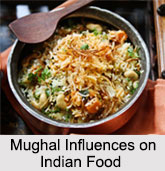
The invasions of the Mughal invaders contributed to the growth of Mughlai cuisine in the country. Those parts of India experiencing the Mughal rule thus exhibit a strong Mughal influences on Indian Food. The fresh and dried fruit, cashews, pistachios and almonds in the preparation of meat dishes as well as dairy products enrich the Indian cuisine. Mughlai dishes are prepared with royalty and 12 spices in a single dish are used including saffron, cardamom, cinnamon and cloves.
Other Foreign Influences on Indian Food
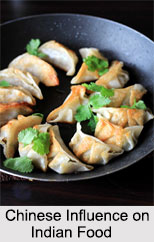
The region of Goa on the South-western coast remained a Portuguese colony for a long time and food such as meats and the use of vinegar as a souring agent prove the Portuguese influence on Indian Food a long history of Portuguese legacy. Mongols came to India in order to revolutionize Indian cuisine. Mongolian Influence on Indian Food was seen during that period. The 19th century was period of establishment of British Empire. British Influence on Indian Food introduced the concept of use of spices in the Indian cooking. A wide assortment of spices such as ginger, nutmeg, cinnamon and clove as well as soups were brought by the British. The British not only influenced the kitchen, yet the Indian dining table was also influenced by the British. Chinese Influence on Indian Food also played a significant role in shaping Indian dishes.
Indian Culinary Influences by Indian Invasion has long history. The Indians have absorbed the foods, spices and vegetables from all over the world. The various invasions gave rise to rich and classy Indian culinary traditions.