 Archaeology is the scientific study relating to peoples of the past. The study also deals with the culture and their relation with the environment. Archaeology of India is essential as it helps tracking the historical evidences of the past days. The main aim of the archaeological study is to understand how humans in the past interacted with their environment, and to preserve this history for present and future learning. They include the study of the buildings, monuments and other material relics. The Department of Archaeology was set up by Lord Curzon under the Director Generalship of Dr Marshal in order to study the remains and find out about the existence.
Archaeology of India is best sources of History of India as they provide information on the famous Indus Valley civilisation of ancient India. Various Excavations conducted at different sites in the valley of the river Indus, Lothal in Gujarat, Kalibangan in Rajasthan, at Sind and Punjab confirms the continuation of the civilisation. According to records the civilization existed during 2700 BC. In addition to that the archaeological Excavations at Taxila give an idea about the Kushanas.
The main aim of the archeological department of India is to excavate, explore and to confirm the history. Moreover, the department also conserves and preserves the monuments or relics identified as important by the historians. Apart from monuments, pots, pottery, seals, skeletal remains all are inseparable parts that reconstruct history. In the year 1921-22, the archaeological excavation was carried out in Harappa, which is Pakistan at present throws light to the remains of an ancient city. Furthermore, the ruins of another ancient city of similar size and plan, Mohenjo-Daro, also in Pakistan were excavated. This existed to a period that corresponded to the other flourishing Civilizations of the Old World, the Egyptian, the Mesopotamian and the Chinese civilizations.
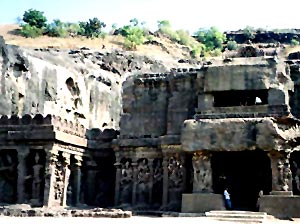
Archaeology of India did another praiseworthy job by excavations at south Indian sites such as Adichana llur, Chandravalli, Brahmagiri and enlightened about the prehistoric periods. Moreover, the rock cut temples of Ajanta and Ellora with its sculptures and paintings express the artistic finery of that period. After Indian independence in the year 1947 about 400 archaeological remains of the Indus Civilization at Dholavira, Lothal, Kalibangan, Rakhigari, Banawali, Kunal, Surkotda, Bhagwanpura, Nageswar, Kuntasi, Padri, were found.
Archaeology of India
Archaeology of India is the scientific study, confirms the continuation of the civilisation in the country during 2700.