
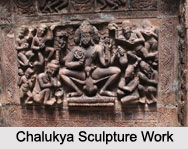
 Chalukya sculptures evolved completely different school of art and architecture in ancient India. The most abiding legacy of the Chalukya sculptures is its architecture and sculpture. Dating back to the 6th century, numerous buildings were built during their reign. Walking on the footsteps of the Dravidian style of architecture, the temple sculpture during the Chalukyan reign is sprinkled with Hindu deities. Primarily the Chalukya sculptures can be categorised into Badami Chalukya Sculpture, Western Chalukya (Kalyani) Sculpture and Vengi Sculpture. Out of these, the former two are renowned for their intrinsic works and finely carved motifs. These are considered one of the most important heritages of India.
Chalukya Sculptures
Chalukya sculptures evolved a new idiom for the construction of several temples and are renowned for their exquisite architectural marvels.
Introduction
Chalukya sculptures evolved completely different school of art and architecture in ancient India. The most abiding legacy of the Chalukya sculptures is its architecture and sculpture. Dating back to the 6th century, numerous buildings were built during their reign. Walking on the footsteps of the Dravidian style of architecture, the temple sculpture during the Chalukyan reign is sprinkled with Hindu deities. Primarily the Chalukya sculptures can be categorised into Badami Chalukya Sculpture, Western Chalukya (Kalyani) Sculpture and Vengi Sculpture. Out of these, the former two are renowned for their intrinsic works and finely carved motifs. These are considered one of the most important heritages of India.History of Chalukya Sculptures
In the patronage of the Early Chalukya rulers, trialling in temple building planning, art and architecture started roughly in the 5th century in Aihole, Pattadakal and some other places. It was Pulakesin I who shifted his capital from Aihole to Vatapi (Badami). From the central of the 6th century and for almost 200 years, the Chalukyas of Badami held authority over northern Deccan. Around the same time, a group of cave temples at Badami were sculpted under the Chalukya leaders. The Chinese explorer Hiuen-tsang, who visited the Chalukyan Empire in 639 C.E., mentioned Pulakesin II as a defeater of the Deccan. Badami remained the Chalukya capital for approximately 200 years, from 540 C.E. to 757 C.E.
Famous Chalukya Sculptures
Chalukyas, who ruled over upper Deccan, were very much interested in temple architecture. They built a number of rock-cut cave-temples and structural temples of brick dedicated to Shiva, Vishnu and Brahma. The vital stone temples are the Vishnu temples at Badami and Aihole and the Virupaksha or Shiva Temple at Pattadakal in Bijapur District. The Vishnu temple at Badami was built by the Magalesa of the Chalukya Dynasty and encloses the Aihole message of Vikramaditya II, which gives a lot of information about the Chalukyas. The cave temples, particularly those at Badami includes fine sculptures of Vishnu reclining on Sesha Nag, Varaha the Boar, Narasimha or the half-lion and half-man and Vamana the dwarf. The temple towns of Aihole, Badami and Pattadakal still bear the near perfect shrines that are reminiscent of the brilliant artistry predominant during the Chalukyas.
Temples at Aihole: The temples at Aihole are closed 4 sided figure mandapas which is standing on a basement. They have a corridor with 4 innermost pillars, supporting a flat roof. The inclined border of the roof is supported on 2 rows of pillars, the one on the edge shorter than the other. The gap between the 2 rows of pillars is closed by pierced stone-slabs. The main mandapa holds a Nandi. The horizontal roof has a different shrine, the walls of which are made of slabs. The inclined roof helped to drain off the rain water.
Virupaksha Temple: Situated at the Pattadakal, the Virupaksha temple is the most primitive temple complex of the Chalukyas. It consists of a towering vimanam, mandapas and smaller shrines around the court covered by a wall. The frontage and back walls have large gopura doorways. The smaller shrines are two-layer and have arched halls. The main square structure has a tall 4 layer vimanam. The mandapa pillars are luxuriantly sculptured and the temples at Pattadakal symbolize both the Northern and Southern approach of architecture.
Cave Temples: The cave temples at Ellora are devoted to Shiva and include images of Mahesha, Linga and Nandi. One of the caves is double-storey. The cave temples in Andhra Pradesh have relief monuments of Ganesha, Brahma, Vishnu, Linga and Nandi. The large cave temples dig by the early Chalukyas which is located in Badami, Aihole, Ellora and in the Guntur and Krishna districts of Andhra Pradesh. Of the 3 Brahmanical caves at Badami, two are dedicated to Vishnu and one to Shiva. These temples consist of a rectangular pillared verandah, a square pillared hall with a small shrine cell at the back. Excavated in an axial plane, they have flat roofs like the mandapa type temples. Broad entrances, tall pillars with cushion type capitals supporting the roof and hanging roof space are the chief features of these cave temples. Figures of animals, humans and heavenly beings decorate the collections.
Several colossal temples were carved out of hard rock (granite or soapstone) to create outstanding monuments. The walls of the temples bear testimony to the artistic wizardry of the age. The charm and beauty of the Chalukya sculptures are such that an onlooker will be completely immersed in its splendour.
Temples at Aihole: The temples at Aihole are closed 4 sided figure mandapas which is standing on a basement. They have a corridor with 4 innermost pillars, supporting a flat roof. The inclined border of the roof is supported on 2 rows of pillars, the one on the edge shorter than the other. The gap between the 2 rows of pillars is closed by pierced stone-slabs. The main mandapa holds a Nandi. The horizontal roof has a different shrine, the walls of which are made of slabs. The inclined roof helped to drain off the rain water.
Virupaksha Temple: Situated at the Pattadakal, the Virupaksha temple is the most primitive temple complex of the Chalukyas. It consists of a towering vimanam, mandapas and smaller shrines around the court covered by a wall. The frontage and back walls have large gopura doorways. The smaller shrines are two-layer and have arched halls. The main square structure has a tall 4 layer vimanam. The mandapa pillars are luxuriantly sculptured and the temples at Pattadakal symbolize both the Northern and Southern approach of architecture.
Cave Temples: The cave temples at Ellora are devoted to Shiva and include images of Mahesha, Linga and Nandi. One of the caves is double-storey. The cave temples in Andhra Pradesh have relief monuments of Ganesha, Brahma, Vishnu, Linga and Nandi. The large cave temples dig by the early Chalukyas which is located in Badami, Aihole, Ellora and in the Guntur and Krishna districts of Andhra Pradesh. Of the 3 Brahmanical caves at Badami, two are dedicated to Vishnu and one to Shiva. These temples consist of a rectangular pillared verandah, a square pillared hall with a small shrine cell at the back. Excavated in an axial plane, they have flat roofs like the mandapa type temples. Broad entrances, tall pillars with cushion type capitals supporting the roof and hanging roof space are the chief features of these cave temples. Figures of animals, humans and heavenly beings decorate the collections.
Several colossal temples were carved out of hard rock (granite or soapstone) to create outstanding monuments. The walls of the temples bear testimony to the artistic wizardry of the age. The charm and beauty of the Chalukya sculptures are such that an onlooker will be completely immersed in its splendour.
Features Of Chalukya Sculptures
 The features of Chalukya sculptures are mainly derived from their temples. The style of the Chalukya sculptures developed in Aihole in around 450 AD. This style was later developed and perfected by Badami and Pattadakal. Interestingly the artists of the Chalukya Empire experimented with different styles. These included the Dravidian art and sculpture and the Indo-Aryan Nagara style. The colossal temples from the Chalukya era are, however, not the earliest ones. The earliest temples of this empire were built with bricks and woods. Unfortunately, though, those temples could not survive the ravages of time.
The features of Chalukya sculptures can be broadly divided into the Badami Chalukya sculptures and the Western Chalukya (Kalyani) Chalukya sculptures. These divisions are based on the reign of the Chalukya kings. Both these kingdoms have an important part to play in the development of the Deccan sculpture. One of the principle features of the Badami Chalukya sculptures were the rock cut temples. The majority of the wealth of the temples that they have left behind lies in Aihole. The architectures of these structures reflect the experimentation that had been undertaken by the artists while building these Hindu temples. It is during these days that the Chalukya style of building temples evolved. One of the oldest rock temples in Aihole is Ravana Phadi. The principal deity in this temple is a Sivalinga.
According to the features of the Chalukya sculptures they can be divided into three phases. The first phase begins from the 6th century and these structures and their sculptures are concentrated in Aihole. Cave temples were a recurrent feature during these days. The cave temples are simple from outside but the interiors are well ornamented with sculptures, pillared verandahs, mandapa and the cell where the deity is kept.
The second phase begins with temples at Aihole and Badami. This was one of the reasons why Aihole is considered the `cradle of Indian temple architecture.` Perforated stone windows, Buddhist chaitya halls, sculptures of several gods and goddesses are frequent features in these temples. The second phase in the architecture of the Chalukyas brought in more maturity, skill and precision.
The features of the Chalukya sculptures are also prominent in the monuments of the Kalyani kingdom. The features of the Western Chalukya sculptures closely resembled the Dravidian style.
Western Chalukya Sculptures
 Western Chalukya sculptures followed the idiom of the Dravidian architecture. These sculptures distinguished themselves from their predecessors in their ornamentation. During the 11th and 12th centuries this style evolved and is also known as Kalyani architecture. The central region for temples lay in the Tungabhadra region of central Karnataka. The main features of Western Chalukya sculptures include the intricate and detailed stone works. Beautiful images of Gods and Goddesses have been carved on stone. The different architectural structures have been adorned with different Western Chalukya sculptures. The `mantapa`, the `vimana` and the `gopurams` display different kinds of patterns of sculptures.
The temples bore testimony to the brilliant Western Chalukyan sculpture exhibited in the temple architecture of such ancient temple structures. The Dodda Basappa Temple and Kasi Vishveshvara Temple at Gadag District, Kalleshwara Temple and Mallikarjuna Temple, Davengere District, Amritesvara Temple, Dharwad District, Siddhesvara Temple, Haveri District, Mahadeva Temple at Koppal District, all existent in the southern Indian state of Karnataka are marvellous instances of the sculptures which were prevalent during the reign of the Western Chalukyan rulers, prominent in the region of Tungabhadra during the 11th and 12th centuries. Three principal types of sculptures developed under the reign of the Western Chalukyas are figure sculpture, deity sculpture and sculpture of the miniature towers, belonging to the various spectacular temples of that era.
Figure Sculpture of Western Chalukyas
 Western Chalukyas introduced a brand new style of figure sculptures over the panels and friezes of temples. The early Chalukya temples boast of the sculptures of the heroes of epics like Mahabharata and Ramayana while the later Chalukya temples are adorned with the sculptures of Hindu deities. Miniature towers were decorated with figurines of dancing girls and holy men, particularly alongside the recesses and the temple niches. Cornices and beams of temples were filled with beautiful bracket idols depicting dancing girls. Elephant figures are more commonly employed as compared the horse and erotic sculptural art has seldom been implemented in Chalukyan temples. The only exception is the Tripurantakesvara Temple, Balligavi which possesses a narrow strip of friezes.
Deity Sculpture of Western Chalukyas
Several temples of Western Chalukyan age included the elaborately sculpted figures of the Hindu Gods and Goddesses, wherein each deity was made in a strikingly different pose, varying from each other, depending on its avatar or incarnation. One of the most excellent masterpieces of Western Chalukyan sculptures is the figurine of Goddess Saraswati, present in the Sarasvati Temple, Gadag District, Karnataka. The string of pearls around the neck of the Hindu Goddess of Wisdom and Learning, as well as the pretty curls of hair falling over Her shoulders portray the exquisite and well-developed form of Western Chalukyan sculpture. A bright diadem of jewels has been represented in the form of magnificent form of sculpture which has been placed behind the head of the deity.
Sculpture of Miniature Towers of Western Chalukyas
Dravidian forms of architecture and `sekhari` architecture have been utilized to embellish the miniature towers of the temples. Unique sculptural art has been demonstrated through those present in the Amritesvara Temple of Annigeri, equipped with floral lintels on the top, portraying Hindu Gods. The Nannesvara Temple is yet another instance of this form of sculpture. Chiselled type of sculpture is noticed in miniature towers which comprise the existence of dual pilasters. A balustrade or `vedika`, cornice or `kapota`, roof or `kuta` and floor or `vyalamala` are the main characteristics of the 11th century miniatures while `tala` or small tiers are present in the 12th century miniature towers. The temple niches are adorned with the idols of Hindu deities, especially the Kallesvara Temple at Hire Hadagalli.
Features Of Western Chalukya Sculptures
 Western Chalukya sculptures are also known as the Kalyani style of architecture. The features of Western Chalukya sculpture include toranas, pillars, domes, richly decorated outer walls and others. The gateways or doorways of the Kalyani temples are highly decorated with pilasters. These are also furnished with decorative frameworks at the top of the doorways and moulded joist. Apart from these figurines, perforated windows, carvings on walls, pillars, etc, are recurring features of Western Chalukya sculptures and architectures. This empire is primarily remembered for its temples. Apparently or from a distance they look simple. But a closer look will help the onlookers explore the intricate works of the sculptures and architecture.
Each unit of the Western Chalukya temples is divided into mandapa, towers or vimanam and pillars. The added attractions of the temple architecture are the figure sculptures, miniature towers and the temple deity sculptures. Glancing back at the temple architecture and sculpture, the main chamber is so designed that this holy place glows with the mellow sun rays that penetrate through the rock-cut perforated windows. In fact the dim sun rays amply light up the doorways and welcome the guest to worship the deity who enjoys their warmth. The features of Western Chalukya architecture were later followed by Hoysala Empire too. But the architecture was improved for the better during this era.
Recently updated articles in Indian Sculpture

Ancient Indian Sculptures
Ancient Indian sculptures date back to the days of the Indus Valley Civilization. It was relatively simple.

Hoysala Temple Art and Architecture
The Hoysala architecture and sculpture is a typical example of South Indian Dravidian art style.

Chennakesava Temple in Somanathapura
Chennakesava Temple is a Hoysala temple sculptural example of Hoyasala art and sculpture.

South Indian Sculptures
Types of South Indian Sculptures are categorized with the social and religious life of Hindus during the rule of Pallavas, Cholas and Rashtrakutas.

Ram V Sutar
Ram Vanji Sutar is an Indian sculptor and he is the recipient of Padma Bhusan in the year 2016.
Related articles in Indian Sculpture
Rock sculptures
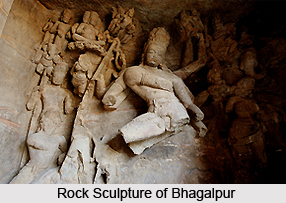
Champa, an important city during 6th century BC, was the ancient name of Bhagalpur. A number of Rock sculptures have been found here in the course of...
Indian Temple Sculptures
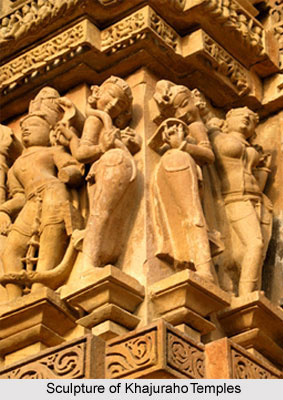
Indian Temple sculptures exhibits to the world the astonishing pieces of art. The religious places were the seats of learning and developing art in th...
Pallava Sculptures
Pallava Sculptures for the first time introduced the use of rock in Indian architecture.
Gupta Sculptures in India
Gupta sculptures exhibit the art works which was prevalent during the Gupta rule. The sculptures of the Gupta period remained as the ideals of art for...
Nagara Style of Architecture
Nagara style of Architecture, developed during the 5th century, is an emblem of architectural wonder and is scattered through out various regions of t...