
Yasovarman was succeeded by his son Dhanga. Dhanga`s mother`s name was Pushpadevi. It can be learnt from Khajuraho inscription that the Empire of Dhanga extended from Bhilasa to Taunasa and from river Yamuna to river Narmada. Gwalior was also within his empire.
Freedom from the pratiharas: According to an inscription of 953 A.D. he was the most powerful king of Chandel dynasty. In the early stage he declared himself only as a Samanta of the Pratiharas. But after some days he made himself independent after defeating the king of Kannauj. Nanyer inscription indicated that Dhangadeva had announced the donation of a village of Varanasi. Muoo inscription indicates that Dhanga had defeated the king of Kannauj. This also mentions the name of Gangadeva, who was the son of Dhangadeva. After making himself independent by defeating the pratihara king, Dhanga made other different conquests.
Other conquests: Khajuraho inscription and the contemporary literary books indicate that he had conquered the kings of Kosala Sinhala, Krath, Kuntala, Kanchi, Andhra, Radha and Anga. There may be some exaggeration regarding these conquests in the contemporary book, but it is certain that he had attacked and conquered many states. According to a Muslim writer he had helped king Jayapala of Bhatinga against Subaktagina. This makes it clear that he had joined the confederation of Jayapala against Subuktagina.
War with Muslims: There is no as such reference of any direct war with king Subuktagina but he had joined the confederation of king Jayapala against the Muslim king. Thus Dhanga also endeavored to check the increasing power of the Muslims. An inscription of Mahoba compares the power of Dhanga with the Muslim ruler Hambir of Amir.
According to Dr. Ray Dhanga was the contemporary of Mahmud Gaznavi. But according to various historical evidences it is shown that he died in Prayaga in 1002 A.D. According to Dr. Vaidya, Dhanga had given his life by burning himself at the funeral pyre in Sangam. But other scholars hold the view that he died by frowning in Prayaga. Thus there is a controversy as now he died. But it is certain that he died at a ripe age of 100 years.
Estimate: Dhanga was a powerful ruler, he declared his independence from the pratiharas and adopted the title of `Maharajadhiraj`. He established a powerful empire in the central India, whose influence was felt for a long time in the political history of the country.
Dhanga
Yasovarman was succeeded by his son Dhanga.
Recently updated articles in History of India
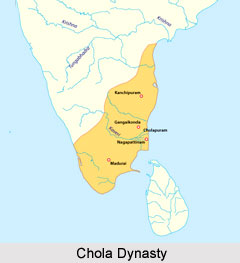
Chola Dynasty
Chola Dynasty is a Tamil dynasty and had longest duration of ruling in parts of South India. Chola dynasty had ruled South India successfully for a ex...
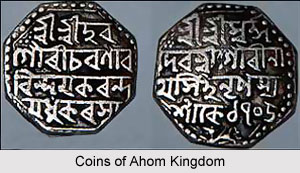
Suhungmung
Suhungmung was the fourteenth ruler of the Ahom dynasty who ruled from the period 1497 to 1539 AD. His reign was significant in terms of expansion of...
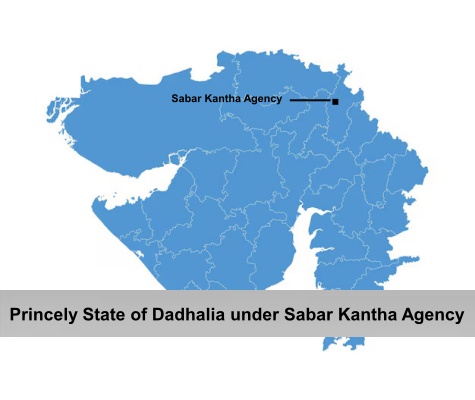
Princely State of Dadhalia
Princely State of Dadhalia was located in the present state of Gujarat. The state covered a total area of 28 sq miles and comprised of 15 villages. Th...
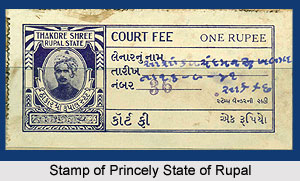
Princely State of Rupal
Princely State of Rupal was a part of the Baroda Agency, a sub division of Western India States Agency. It was under the administrative control of the...
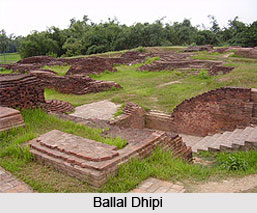
Archaeological Sites of West Bengal
Archaeological sites of West Bengal reveal several aspects of ancient India. Excavations by the Archaeological Survey of India have furnished artefact...
Related articles in History of India
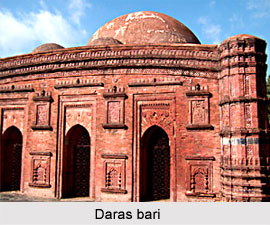
Mughal Architecture during Babur
Mughal architecture during Babur marked the foundation of a new architectural era in India, blending Timurid, Persian, and local influences. His reign...
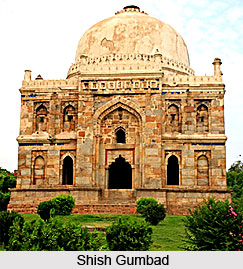
Architecture during Sayyid and Lodi Dynasty
Architectures during the Sayyid and Lodi dynasty were mainly the tombs and monuments for the dead rulers. It were carefully designed and meticulously...
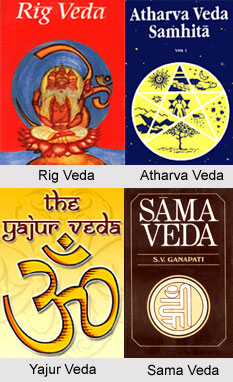
Brahmanical Sources of Ancient History
Brahmanical Sources of ancient history are contained in the Vedas and they constitute one of the most important literary sources of information about...
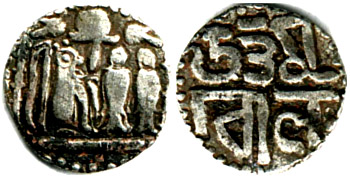
Coins of Chola Empire
Coins of Chola Empire were issued in gold, silver and copper and carried the Chola emblem.
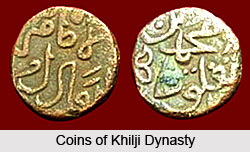
Coins of Khilji Dynasty
Coins of Khilji Dynasty had an influential feature that was followed by the other dynasties.