
Charter Act of 1813 passed by the British Parliament renewed the East India Company"s charter for another 20 years. This is also called the "East India Company Act, 1813". This act is important in that it defined for the first time the constitutional position of British Indian territories. This opened India both to private investment and Christian missionaries.
Background of Charter Act of 1813
Charter Act of 1813 reduced the monopoly of the East India Company`s in all major sections. The Charter Acts of the British East India Company were decided to be renewed by 1813. There were several discussions about the justification of the commercial privileges enjoined with the company. Company`s territories expanded so much that it was impossible to continue as a political and commercial functionary. Moreover with the introduction of the new concepts of laissez faire, Europeans demanded a share in the trades with India. The continental system introduced by Napoleon had closed the European ports to the British trade. Hence, the English demanded to strengthen the trades in India. Due to these problems in the inland trades, the Englishmen demanded the termination of the commercial monopoly of the British East India Company. Hence the contemporary circumstances made it necessary for the renewals of the Charters Act of 1793.
While offering the company`s right to the territorial possession and revenues of India, the Charter Act of 1813 proclaimed the sovereignty of the crown over them. The Indian administration was asked to maintain separate accounts for its commercial and political activities.
Features of Charter Act of 1813
The Charter Act of 1813 was as follows:
1. The monopoly of trade of the Company was abolished except in Tea and its trade with China.
2. Church was placed under a Bishop which was maintained from Indian revenue. Englishmen were granted permission to settle and hold land in India; to the missionaries for introducing useful knowledge and propagating religious and moral improvement and to traders for their lawful purposes, under a system of licenses.
3. The crown had complete power over territorial revenue.
4. For the improvement of education one lakh grant was allotted.
Charter Act of 1813 had defined in clear terms the power of superintendence and direction of the Board of Control. Moreover, the power of the Board of Control was enlarged by this Act of 1813. The significant part of the Charter Act of 1813 was the clause of providing for the sum of 1 lakh rupees annually for the development of literature and education in India. It had also been declared that the educated natives were to be encouraged for the introduction and promotion of the knowledge of sciences among the inhabitants of the British territories in India. The Company"s charter had previously been renewed by the Charter Act of 1793, and was next renewed by the Charter Act of 1833.
Charter Act of 1813
Charter Act of 1813 renewed the East India Company’s charter thereby terminating its monopoly except in regards to tea and trade with China.
Recently updated articles in History of India
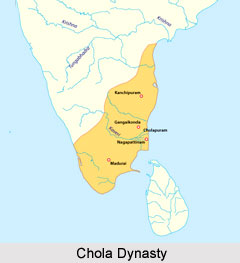
Chola Dynasty
Chola Dynasty is a Tamil dynasty and had longest duration of ruling in parts of South India. Chola dynasty had ruled South India successfully for a ex...
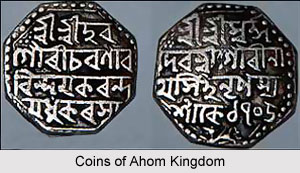
Suhungmung
Suhungmung was the fourteenth ruler of the Ahom dynasty who ruled from the period 1497 to 1539 AD. His reign was significant in terms of expansion of...
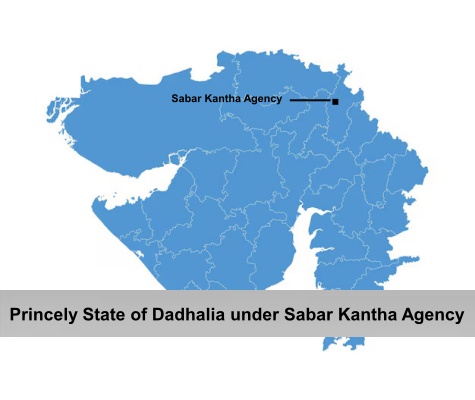
Princely State of Dadhalia
Princely State of Dadhalia was located in the present state of Gujarat. The state covered a total area of 28 sq miles and comprised of 15 villages. Th...
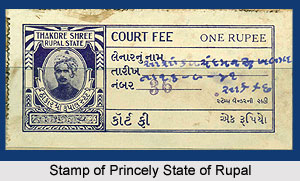
Princely State of Rupal
Princely State of Rupal was a part of the Baroda Agency, a sub division of Western India States Agency. It was under the administrative control of the...
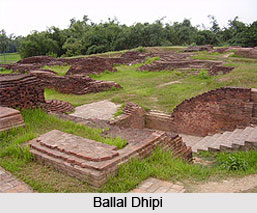
Archaeological Sites of West Bengal
Archaeological sites of West Bengal reveal several aspects of ancient India. Excavations by the Archaeological Survey of India have furnished artefact...
Related articles in History of India

Mughal Architecture during Babur
Mughal architecture during Babur marked the foundation of a new architectural era in India, blending Timurid, Persian, and local influences. His reign...

Architecture during Sayyid and Lodi Dynasty
Architectures during the Sayyid and Lodi dynasty were mainly the tombs and monuments for the dead rulers. It were carefully designed and meticulously...

Brahmanical Sources of Ancient History
Brahmanical Sources of ancient history are contained in the Vedas and they constitute one of the most important literary sources of information about...
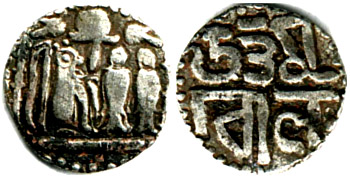
Coins of Chola Empire
Coins of Chola Empire were issued in gold, silver and copper and carried the Chola emblem.
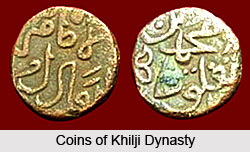
Coins of Khilji Dynasty
Coins of Khilji Dynasty had an influential feature that was followed by the other dynasties.