 The evolution of Hindu Dharma may be divided into three periods: the ancient (6500 BC-1000 AD), the medieval (1000-1800 AD) and the modern (1800 AD to present). The Ancient Period is characterised by the worship of Shiva (Pashupati) during the Harappan times; the composition of the early Rig Vedic hymns; the Epic Period during which the Ramayana and Mahabharata were composed; period of Sage Vishvamitra, in whose reign a majority of the Vedic hymns were composed. The Bhagwad Gita was compiled between BC 500-200; Nyaya, Sankhya, and Brahma Sutras were recorded, which later gave birth to six popular schools of Hindu philosophy and final versions of Puranas, Tantras and other sectarian literature were developed (200-750 AD). Development of six popular schools of religious thought, establishment of Shankara`s Advaita Vedanta and the decline of Buddhism are the main landmarks of this period (750-1000 AD).
The Medieval Period saw the rise of devotional movements led by Ramanuja, Ramananda, Tukaram, Guru Nanak, Surdas, Chaitanya, Mirabai, Tulsi Das and many other saints. These devotional movement named as Bhakti movement started between the 7th and the 12th century. Several factors favoured the rise of Bhakti Movement, some of them were (a) Hinduism became more ritualistic and dogmatic and was ridden by caste system, which alienated the lower castes; (b) Both Buddhism and Jainism preached extreme austerities and had gradually lost their charm; (c) With the advent of Islam in India, the Sufi saints preached the idea of equality and brotherhood; (d) People were interested in religious thoughts that could satisfy their reason and emotions.
 The Bhakti Movement of South India was led by a series of popular saints Nayanars (Shaiviites) and Alvars (Vaishnavites), who disregarded the austerities preached by Jainism and Buddhism but instead preached personal devotion to God as a means of salvation. These saints, some of whom were also women, spoke and wrote in local languages like Tamil and Telugu and travelled widely to spread their message of love and devotion to everyone, irrespective of caste, colour and creed.
The Bhakti saints either believed in the existence of God in many forms and attributes like Rama and Krishna, or believed that God has no attributes. Ramanuja gave the Bhakti Movement a new meaning and spread to other parts of India during the 12th century AD. At the same time, Basava and his nephew Channabasava founded the Lingayat or Vir Shaiva Movement in Karnataka. The Lingayats, who were worshippers of Shiva, strongly opposed the caste system and rejected fasts, feasts, pilgrimages and sacrifices. They tried to bring about a reform in the Hindu social order by opposing child marriage and encouraging widow re-marriages. Ramanuja founded the Visistadvaita philosophy. His Sirbhasya, containing a commentary on the Vedanta, and the Gitabhasya are great masterpieces. Other philosophies that came into being were Dualism expounded by Madhavacharya, Dvaitadvaitavada (dualistic monism) expounded by Madhavacharya and the Suddhadvaita (pure non-dualism) propounded by Vallabha.
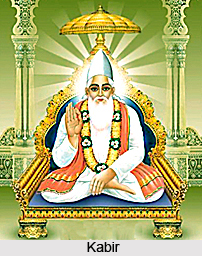
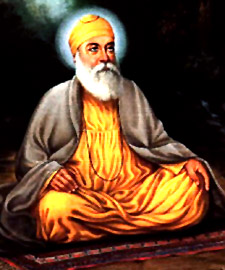
The spread of Bhakti Movement from south to north India was a long-drawn process. Namdev (first part of 14th century) and Ramananda (second half of 14th century) were the earliest Bhakti saints to spread their ideas to the north. Ramananda, who was a follower of Ramanuja, was born at Prayag (Allahabad). He preached the doctrine of Bhakti in Hindi to people of all the four Varnas. He substituted the worship of Rama in place of Vishnu. Kabir (1398-1518 AD) was the most renowned disciple of Ramananda. He emphasized on the unity of God, whom he called by many names. He denounced caste system, untouchability, idol worship, pilgrimages and other rituals. He rejected those principles from Hinduism and Islam which were of no significance in attaining real spiritual knowledge. His dohas are still chanted widely in India. Other important saints include Guru Nanak, Baba Farid, Baba Malukadasa, Baba Dharinidasa and Garibadasa. Guru Nanak also laid emphasis on one God and advocated the purity of character and conduct as the conditions for approaching God. He stressed on the need for a spiritual guru for guidance. His teachings gave birth to a new religion called Sikhism.