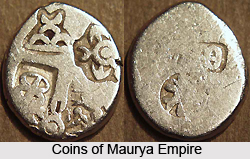
 Razia Sultana (1205-1240) was the daughter of Iltutmish and the most deserving contender to the throne of Delhi after the death of Iltutmish. Iltutmish nominated his Razia as his successor and coins were struck on which the name of Razia was inscribed along with the name of the Sultan. But ultimately Iltutmish`s son Firoz ascended the throne but his reign was short lived and was succeeded by Razia. She ruled on the throne of Delhi from 1236 to 1240. Like other Muslim princesses of that time, she was trained to lead armies and how to administer kingdoms.
With the accession of Razia on the throne of Delhi, the struggle for power between the Sultana and the Turkish slave nobles became quite evident. While Razia asserted her rights as the Sultana and decided to be the real ruler of her kingdom, the nobles and the provincial governors wished the right to choose the ruler and keep her or him dependent on themselves. Razia was more correct in upholding the cause of absolute monarchy initiated by Iltutmish in that infant stage of Turkish rule in India unlike her nobles who meant to divide the power of the state.
Razia was a worthy daughter of a worthy father. She was the first Muslim Sultana who challenged the traditions of Islam concerning women. Politically she tried to establish her authority as Sultana and refused to share her absolute rule with her nobles and provincial governors. Thus her position became precarious in the very beginning of her reign. Razia`s moves were very diplomatic. She showed dissension among her rivals and the confederacy of the nobles was broken. After her initial success against the governors Razia tried to concentrate power in her own hands and succeeded. Her primary aim was to make the Turkish slave-nobles subservient to the throne. She made fresh appointments of the governors and redistributed the high offices of the State. Razia succeeded in bringing about submission of all nobles.
Razia Sultana was endowed with all the admirable talents necessary for a Sultan. She was shrewd and diplomatic. She understood the permanent interests of the state and pursued them in right earnest. She believed in power and prestige of the Sultan and tried to uphold them with her best abilities. She was successful as a diplomat. The first attack of nobles on Delhi was nullified by her by dividing them among themselves and she safeguarded her kingdom from involvement in the politics of Ghazni and Central Asia by refusing to help Malik Hasan Karlugh against the Mongols. She dressed herself in male attire and sat on the throne without veil because she wanted to perform her duties as a ruler unhesitatingly and truthfully. Razia believed that it was in the interest of the state to create a strong monarchy and, therefore, desired to put a check on the power of the Turkish slave-nobles. She succeeded in her attempt, for three years, ruled her kingdom well and kept the Turkish slave nobles under her control. But ultimately she failed because she could not break their power.
The primary cause of Razia`s failure was the growing ambitions of her Turkish slave-nobles. Iltutmish had brought the; to such a level by assigning all important posts of the state to them. They were loyal to Iltutmish but proved treacherous to his successors. When Razia, the ablest child of Iltutmish occupied the throne and decided to rule in her own right and curb the power of the nobles, they conspired, revolted and eventually succeeded in deposing her.