Gandhi Irwin Pact - Informative & researched article on Gandhi Irwin Pact
  Indianetzone: Largest Free Encyclopedia of India with thousand of articles History of India


in  
Art & Culture | Entertainment | Health | Reference | Sports | Society | Travel
Forum  | Free E-magazine
History of India : Sources of History of India l Ancient History of India l Medieval History of India l Modern History of India l Indian Historical Dynasties l Indian Battles l Sepoy Mutiny 1857 l Indian Rulers l History of India l Indian Freedom Struggle l Indian Governor- Generals l British Indian Acts l Post Independence India l Iron Age in India
Home > Reference > History of India > Indian Freedom Struggle > Civil Disobedience Movement > Gandhi Irwin Pact
Gandhi Irwin Pact
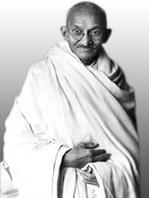
The Gandhi Irwin Pact was a historic pact signed by Mahatma Gandhi and the then Viceroy of India, Lord Irwin.

Mahatma Gandhi The well-known Gandhi Irwin Pact was a significant point in India`s struggle for independence. Mahatma Gandhi and the then Viceroy of India Lord Irwin on signed this historic pact on 5th March 1931.

This political agreement put forward certain specific action points to be initiated by the colonial government of India as well as the Indian National Congress. The important points those are discussed in the Pact are as follows:
Discontinuation of the civil disobedience movement by the Indian National Congress, participation in the Round Table Conference by the Indian National Congress, the removal of the salt tax which allowed Indians to produce, trade, and sell salt legally for their own use, the release of prisoners arrested for participating in the civil disobedience movement, removal of all ordinances issued by the British Government imposing curbs on the activities of the Indian National Congress and removal of all prosecutions relating to several types of offences except those involving violence.
(Last Updated on : 31/01/2009)
  More Articles in Civil Disobedience Movement
 
Second Phase of Civil disobedience Gandhi Irwin Pact Poona Pact
Women In the Civil Disobedience Movement    
Recently Updated Articles in History of India
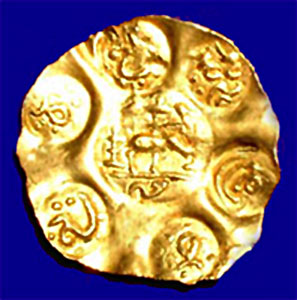
  • Coins of Pandyas
    Coins of Pandyas bear the legend of different Pandya ruler in different times.
  •  
  • Art and Architecture of Mughal Empire
    Art and architecture of Mughal Art offers an aesthetic degree to all art lovers. The subtlety of the finesse and the dazzle of the aura create huge amount of interest among tourist.
  •  
     
  • Architecture in Bengal During Jahangir
    Architecture in Bengal during Jahangir had been brilliantly sponsored and executed by his bunch of nobility.
  •  
  • Architecture in Ajmer During Jahangir
    Architecture in Ajmer during Jahangir was one that was heroically influenced by religion and Islamic notions.
  •  
  • Zebunissa
    Zebunissa was a Mughal Princess, the daughter of the Emperor Aurangzeb and the eldest child of the family. She was a very well educated lady, much interested in the arts, particularly poetry, and was an outstanding poet herself. Unfortunately, though she was her father’s favourite daughter and was given a lot of encouragement by him, she was imprisoned later in life and died in confinement. Her contribution to Persian literature is praiseworthy.
  •  
    E-mail this Article | Post a Comment
    RSS Feeds
    Forum
    Forum on History of India

    Free E-magazine
    Subscribe to Free
    E-Magazine on Indian Crafts
     
     
    Gandhi Irwin Pact - Informative & researched article on Gandhi Irwin Pact
    Sitemap
    Contact Us   |   RSS Feeds
    Copyright © 2008 Jupiter Infomedia Pvt. Ltd. All rights reserved including the right to reproduce the contents in whole or in part in any form or medium without the express written permission of Jupiter Infomedia Pvt. Ltd.