


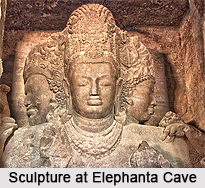
 Gupta sculptures mirror the artistic talent that was predominant in the Gupta Dynasty. India witnessed the beginning of another era in the form of the Gupta Empire in the 4th century A.D and with the beginning of the Gupta period, the country was ushered into the classical form of sculpture. The Gupta Empire in India developed its own idiom for constructing sculptures and monuments. These features of Gupta sculptures were followed religiously by the then contemporary artisans. The Elephanta Cave temples and the structural temples at Kanchipuram in the state of Tamil Nadu are the enduring legacy of Gupta rulers. Gupta sculptures mirror the artistic talent that was predominant in the Gupta Dynasty. India witnessed the beginning of another era in the form of the Gupta Empire in the 4th century A.D and with the beginning of the Gupta period, the country was ushered into the classical form of sculpture. The Gupta Empire in India developed its own idiom for constructing sculptures and monuments. These features of Gupta sculptures were followed religiously by the then contemporary artisans. The Elephanta Cave temples and the structural temples at Kanchipuram in the state of Tamil Nadu are the enduring legacy of Gupta rulers.
Features of Gupta Sculptures All the sculptures produced throughout the Gupta Empire can be marked for having the appearance of relatively uniform 'classic' style. Snakes form an essential genre of sculpture during the 5th century. Some 'Nagarajas' and 'Naginis' from the apex of a disappeared pillar in Firozpur, a few miles away, have visibly extended serpent hoods; they and another pair in the Sand Museum are very much built in the Udaigiri style. Other than these, the terracotta in Gupta Era is also worth mentioning. A great deal of the sculpture is outside, on prepared surfaces of rock, and they are significant features of Gupta sculptures. The most distinguishing images are the four-armed Lord Vishnu standing with unadorned cylindrical crowns, standing stiff-legged in the position of 'samapada', one of them overlapped by 'ayudhapurusas', personified symbols or weapons, which are among the bewitching inventions of the Gupta period. These images of Lord Vishnu were characterised by contrasted muscular thighs, which were carefully covered by pleats, particularly near their belts and sashes. Sculpture of rock-cut temples belonging to the post-Gupta period is of equal importance. The art and architecture of the Gupta Empire also included the Secular Architecture during Gupta Period, Buddhist Structural buildings of Gupta Era and also the Brahmanical Architecture of Gupta Era. 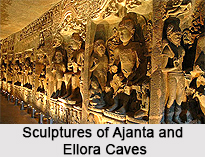
Cave Sculptures of Gupta Dynasty Gupta period was also known for its rock cut caves. The sculpture at Ellora Caves, sculpture at Elephanta Caves and that of the Ajanta Caves are worth checking out. The most commanding of the images of Lord Vishnu, with barrel chest, gigantic rounded shoulders and rather firmly handled legs, is the Kumara Cave, the earliest of all the immeasurable defenders of Hindu shrines, termed 'pratlharas' in north, especially in south, that they are the biggest and most extraordinary. The earliest specimens of Gupta sculptures in a full-fledged early Gupta style are from Vidisha and Udaigiri Caves in the state of Madhya Pradesh, which are present nearby. It was constructed in the later half of the 4th century in the Mathura tradition. Temple Sculptures of Gupta Dynasty The period of the Gupta rulers was an age of universal accomplishment, a classical age, as described in Goetz's words as 'a perfect, unsurpassable style of life'. Religious architecture during the period of the Gupta rule was quite popular. Hence Buddhist and Jain temples in India were erected throughout the empire and the more intricate images of the Mahayana pantheon came into being. Sculpture and temples of Gupta period mirror their fine craftsmanship. 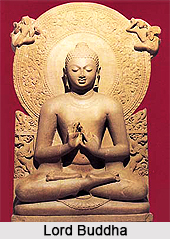 The temples had sculptural elements like the 'Nagas' and the 'Yakshas' were substituted as independent cult images by the Gods and Goddesses of the two great theistic cults. The style was spread in other parts of India and in the countries of South and Southeast Asia. The Gupta style of sculpture has greatly influenced the art of north Indian kingdoms in later period as well. Other than these the sculpture of Dashavatara Temple (Deogarh), sculpture of Bhitaragaon Temple, Vaishnavite Tigawa Temple at Jabalpur in Madhya Pradesh state and others are also some of the examples of Gupta sculptures. The other architectural marvels during the Gupta period comprise the sculpture of Parvati Temple (Nachana), sculpture of Shiva Temple (Bhumara) and sculpture of Vishnu Temple (Tigawa). The temples had sculptural elements like the 'Nagas' and the 'Yakshas' were substituted as independent cult images by the Gods and Goddesses of the two great theistic cults. The style was spread in other parts of India and in the countries of South and Southeast Asia. The Gupta style of sculpture has greatly influenced the art of north Indian kingdoms in later period as well. Other than these the sculpture of Dashavatara Temple (Deogarh), sculpture of Bhitaragaon Temple, Vaishnavite Tigawa Temple at Jabalpur in Madhya Pradesh state and others are also some of the examples of Gupta sculptures. The other architectural marvels during the Gupta period comprise the sculpture of Parvati Temple (Nachana), sculpture of Shiva Temple (Bhumara) and sculpture of Vishnu Temple (Tigawa).
The sculptures of the Gupta period not only formed as models of Indian art for all time to come but they also acted as the ideals for the Indian colonies located in the Far East. Such sculptures displayed the influence of reputed art schools like Mathura and Gandhara in their styles. An exhaustive and intelligent grasp of the perfect aims and vital principles of art, a well-developed sense of aestheticism and very good execution by skilled persons formed those noteworthy images which became the ideal of the artists of India of the following ages. The 'Standing Buddha of Sarnath' and the 'Sitting Buddha of Mathura' in Uttar Pradesh are also immensely notable specimens of sculptural wonders, during the Gupta age. |
| |||



Home > Art & Culture > Indian Sculpture > History of Indian Sculpture > Ancient Indian Sculpture > Gupta Sculptures in India
Gupta Sculptures in India
| Gupta sculptures exhibit the art works which was prevalent during the Gupta rule. The sculptures of the Gupta period remained as the ideals of art for several generations. |
| ||||||||||||||||||||||||||||

