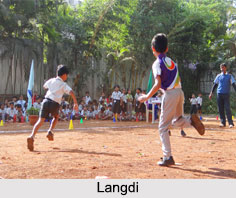
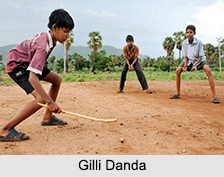
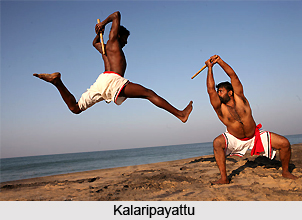
Traditional Sports in India, amidst immense popularity of international sports, has survived, over the years. Traditional games also show the different cultural and traditional backdrops in different Indian States. It also depicts the tribal culture and folk culture.
History of Traditional Sports in India
Ancient history depicts the Indo Aryan literature and Veda where references of traditional games are present. Vedic Period had a rich tradition of games, though mainly played for maintaining physical fitness. Ramayana and Mahabharata gave the prime importance in physical fitness and strategy gaming (Chaturanga). It was given especially by the rulers and the warriors. Wrestling seems to have been a popular sport among warrior kings, as there are numerous occasions in different forms of literature, which has an element involving wrestling. Lord Hanuman is said to be an archaic wrestler in Indian mythology with immense physical strength, that he is considered even today, as a symbol of strength and courage. Harappa and Mohenjodaro also confirm that during the Indus Valley Civilization the weapons that were involved in battles and hunting, were part of the games.

Early Traditional Sports and Indian Women
Women also excelled in sport and the art of self-defense, and were active participants in games. Buddhism in India preached non-violence, but it never compromised on physical fitness. In fact, Gautama Buddha himself is said to have been an ace at archery, chariot racing, equitation and hammer throwing.
Traditional Sports in Medieval Era
Mughal Emperors were patrons of hunting and wrestling. The Agra Fort and the Red Fort were the popular venues of many wrestling bouts in the times of Emperor Shah Jahan. Later, the Maratha Emperor, Chhatrapati Shivaji`s guru, Samarth Ramdas, built several Hanuman temples all over Maharashtra, for the promotion of physical culture and cultural asanas among the youth. Wrestlers from medieval era achieved popularity till British came.
Traditional Games in Modern India
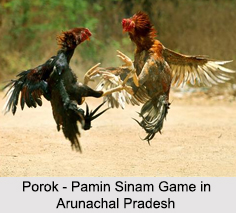
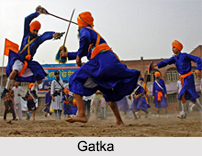
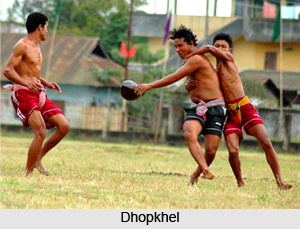
 A large number of regional games have been played right from many centuries. Thoda, Khong Kangjei, Dhopkhel, Silambam, Vallamkali, Camel Race, Kite Flying, Asol Aap and Asol - Tale Aap, Cheibi Gad-Ga, Hiyang Tannaba, Inbuan, Insuknawr, Kirip, Saldu, Ke Nang Haun and Kho-Kho are the popular traditional sports of modern India which still exists.
Management of Traditional Sports in India
There are different management bodies which are responsible for the promotion of these traditional sports. Kho-Kho, Kabbaddi, Dhopkhel are popular in modern day international sports.
Indian Traditional Sports Tournaments
Kerala, West Bengal, Uttar Pradesh, Tamil Nadu, Assam, Nagaland, Meghalaya, Punjab, Telangana, Andhra Pradesh, Manipur, Mizoram and many other states of India host traditional games in every occasions like Independence Day, Republic Day, and in different regional festivals. The traditional games are also the part and parcel of religious festivals especially in South Indian States and North East Indian States.