
 Garlic is one of the most commonly used spices in India. The garlic is composed of individual cloves enclosed in a white parchment-like skin. Each clove of garlic is encased in its own covering of papery skin. Garlic is cultivated and widely used in almost every culture in the world for its myriad medicinal as well as culinary values. Garlic is cultivated in all over India and the states of Madhya Pradesh, Gujarat, Odisha, Rajasthan, Karnataka, Tamil Nadu, Maharashtra and Bihar are the premium producers of Garlic in India.
Garlic
Garlic is counted amongst the oldest medicines in world and also has several culinary usages.
Introduction
Garlic is one of the most commonly used spices in India. The garlic is composed of individual cloves enclosed in a white parchment-like skin. Each clove of garlic is encased in its own covering of papery skin. Garlic is cultivated and widely used in almost every culture in the world for its myriad medicinal as well as culinary values. Garlic is cultivated in all over India and the states of Madhya Pradesh, Gujarat, Odisha, Rajasthan, Karnataka, Tamil Nadu, Maharashtra and Bihar are the premium producers of Garlic in India.Etymology of Garlic
Garlic belongs to the "Lilliaceae" family and its botanical name is "Allium sativum Linn". It is known by several many names in different parts of India like "Lahsun" in Hindi and Urdu, "Rasun" in Bengali, "Rasuna" in Oriya, "Naharu" in Assamese, "Lasan" in Gujarati and Punjabi, "Lusoon" in Marathi, "Belluli" in Kannada and Malayalam, "Lahsuna" in Sanskrit , "Rahan" in Kashmiri, "Ullipundu" in Tamil and "Velluri" in Telugu.
Origin of Garlic
 Since the ancient times, Garlic has been used as a valuable condiment for foods in India. Garlic has a special mention in the Hindu mythology. According to Hindu mythology, the gods and the demons once churned the sea, using earth as the axis and divine snake Basuki as the rope. Many precious materials came out due to churning of the sea. Along with the materials, a pot of nectar also came out and consuming the nectar was believed to have capacity to make one immortal. The gods and demons fought against each other for this pot and eventually, the gods took possession of the pot. The King of gods, Indra took the pot to heaven for distributing to gods. However, he first offered it to his wife Sachi, before distributing to others. After consuming it, Sachi could not digest the nectar and thus vomited. A drop of her vomit fell from heaven on the earth and a small plant emerged from that drop. This plant is known as Garlic. According to Hindu Mythology, Garlic is foul smelling because it had emerged from vomit. The mythology also mentioned that Garlic has several medicinal virtues, as it had emerged from heavenly nectar.
Properties of Garlic
Garlic is one of the most effective antimicrobial herbs, as it has anti-bacterial, anti-fungal, anti-viral, anthelmintic and antiseptic properties.
Use of Garlic as Medicines
 Garlic is botanically named as Allium Sativum. For hundreds of years, garlic has been renowned for its usefulness in treating a whole range of ailments. Most of the health benefits of garlic come from the sulphur containing compounds. Garlic is described as carminative, stomachic, alterative, tonic and useful in affections of the nervous system, flatulence, hysteria, etc. During its use, the diet should consist of wine, meat and acids.
Use of Garlic in Medicine
Decoction of garlic is prepared by taking garlic 32 tolas, water 4 seers and milk 4 seers, boil together till the water is evaporated and strained. This decoction in milk is given in small doses in hysteria, flatulence, sciatica and heart disease.
Svalparasuna Pinda: Take garlic 12 tolas, asafoetida, cumin seeds, rock salt, sonchal salt, ginger, long pepper and black pepper, each one-eighth of a tola; powder them finely and mix. Dose should be about 22 grains every morning with a decoction of the root of the castor oil plant, in facial paralysis, hemiplegia, sciatica, paraplegia and convulsive affections. This medicine should be continued for a month.
Garlic juice slightly warmed is used as a local application in otalgia. A bulb of garlic is sometimes introduced into the meatus for relief of pain in the internal ear.
Benefits of Garlic
Garlic is a highly valuable plant and is cultivated quite extensively throughout India. There are numerous benefits of garlic and it is used for serving different purposes, in India and all over the world. It is mostly used for culinary purposes and is considered one of the most popular and widely used flavourings. People all over the world use it as a condiment for different food items. In India and other Asian countries, it is used in several food preparations like chutneys, pickles, curry powders, curried vegetables, meat preparations, tomato ketchup, etc. The garlic powder has also earned significant popularity in the recent times.
Different parts of the Garlic plant are used for serving different purposes. The bulbs of garlic are considered the most commonly used part of the plant. They vary in size and flavour and can range from mild and sweet to pungent and very strong in taste. A garlic bulb is divided into numerous segments called cloves. The cloves of garlic can be used as seed, for consumption (raw or cooked) and also for medicinal purposes. The leaves, stems, and flowers on the head are also considered edible and are most often eaten while immature and tender. The leaves of garlic are often cooked and eaten in India. They can be used as an ingredient for packed or fast food and are frequently used for treating asthma, as well. The only parts of garlic that are not considered edible are the papery, protective layers of "skin" over various parts of the plant and the roots attached to the bulb.
Garlic has a sharp, punchy taste and pungent smell and is used as a major ingredient in the world`s finest dishes. Fresh Garlic is dehydrated and sold to food processors for use in mayonnaise products, salad dressings, tomato products and in several meat preparations. The raw garlic can also be used in the manufacturing of garlic powder, garlic salt, garlic vinegar, garlic cheese croutons, garlic potato chips, garlic bread, etc.
Apart from the culinary usages, Garlic is also recognised for having several valuable medicinal properties. Garlic is used in making remedies for various ailments and physiological disorders and is considered one of the oldest medicines in the world. In Ayurveda, Garlic is considered as one of the most effective antimicrobial herbs, as it has anti-bacterial, anti-fungal, anti-viral, anthelmintic and antiseptic properties. Garlic has healing capacity and effectiveness against cholera, as well. It has useful anti-bacterial action against Eberthella typhosa, Escherichiacoli, acid fast bacilli, Aerobacter aerogenes, Staphylococcus aureus etc. According to Ayurveda, Garlic is also useful for increasing sexual energy and in combating impotence. It can help kill parasites like hookworms and pinworms, as well.
Several benefits of garlic have been described in Unani medicine. According to Unani medicine, garlic is used as carminative and can also act as a gastric stimulant. It can aid in digestion and absorption of food and is also given in flatulence. In modern Allopathic treatment also, garlic is used in a number of patented medicines and other preparations. The residue of garlic, obtained by alcoholic extraction and distillation, is believed to contain a bacteriostatic and bactericidal substance identified as `allyl disulfide oxide`. Garlic is used as an antidote to snake and scorpion bites and is also a very good medicine for running cold and Saliva Formation. In ancient times, garlic was used to cure athlete`s foot, by placing bulb between the toes. As herbal medicine, it is also used to treat diseases like chronic bronchitis, respiratory catarrh, whooping cough, bronchitic asthma, influenza, and other health problems. It can also fight infection, reduce cholesterol, protect against heat diseases and stroke, control diabetes, and prevent cancer. Garlic can prevent blood clots and destroy plaque preventing atherosclerosis and can reduce the chances of stroke, heart attacks and PVD.
 The inhalation of garlic oil or garlic juice is commonly recommended in cases of pulmonary tuberculosis, rheumatism and impotence. The Garlic juice is extensively used for treating various ailments of stomach, and is also used as a rubefacient in skin diseases. It is used as eardrop in ear aches, as well. The garlic juice can also be used against duodenal ulcers, after diluting with water. Garlic is used for killing bacteria that cause tuberculosis and it reduces blood sugar level. It can help to improve the immune functions, fight against chronic diarrhea, etc. and it also heals open pores, activates and stimulates blood circulation, and improves hair growth. It is used for producing various products like garlic oil, garlic powder, garlic juice, garlic flakes, etc., as well.
The other medicinal properties that garlic contains include many bioactive substances like Alliin, Allicin, Gamma-Glutamylcysteine, Thiosulfinates, etc. These substances can help in fighting against bacterial, parasitic and fungal infections. Garlic can be effective in treatment for congestion in the respiratory system, if taken along with honey. It is used as slides under a bandage, in case of warts. Spreading a few fresh cloves of garlic amongst stored fruit can help delay rotting of the fruit.
However, inspite of having all the above mentioned advantages and valuable properties, garlic is not used by all Indian people. It is often avoided to be used even for medicinal purposes, as it has repulsive odour. Another reason for which people do not use garlic is that, they consider it as a non-vegetarian food item. Garlic also has some side effects. Consuming large amounts of garlic can cause heartburn. Fresh garlic can also sometimes cause local irritation and ulceration.
Different parts of the Garlic plant are used for serving different purposes. The bulbs of garlic are considered the most commonly used part of the plant. They vary in size and flavour and can range from mild and sweet to pungent and very strong in taste. A garlic bulb is divided into numerous segments called cloves. The cloves of garlic can be used as seed, for consumption (raw or cooked) and also for medicinal purposes. The leaves, stems, and flowers on the head are also considered edible and are most often eaten while immature and tender. The leaves of garlic are often cooked and eaten in India. They can be used as an ingredient for packed or fast food and are frequently used for treating asthma, as well. The only parts of garlic that are not considered edible are the papery, protective layers of "skin" over various parts of the plant and the roots attached to the bulb.
Garlic has a sharp, punchy taste and pungent smell and is used as a major ingredient in the world`s finest dishes. Fresh Garlic is dehydrated and sold to food processors for use in mayonnaise products, salad dressings, tomato products and in several meat preparations. The raw garlic can also be used in the manufacturing of garlic powder, garlic salt, garlic vinegar, garlic cheese croutons, garlic potato chips, garlic bread, etc.
Apart from the culinary usages, Garlic is also recognised for having several valuable medicinal properties. Garlic is used in making remedies for various ailments and physiological disorders and is considered one of the oldest medicines in the world. In Ayurveda, Garlic is considered as one of the most effective antimicrobial herbs, as it has anti-bacterial, anti-fungal, anti-viral, anthelmintic and antiseptic properties. Garlic has healing capacity and effectiveness against cholera, as well. It has useful anti-bacterial action against Eberthella typhosa, Escherichiacoli, acid fast bacilli, Aerobacter aerogenes, Staphylococcus aureus etc. According to Ayurveda, Garlic is also useful for increasing sexual energy and in combating impotence. It can help kill parasites like hookworms and pinworms, as well.
Several benefits of garlic have been described in Unani medicine. According to Unani medicine, garlic is used as carminative and can also act as a gastric stimulant. It can aid in digestion and absorption of food and is also given in flatulence. In modern Allopathic treatment also, garlic is used in a number of patented medicines and other preparations. The residue of garlic, obtained by alcoholic extraction and distillation, is believed to contain a bacteriostatic and bactericidal substance identified as `allyl disulfide oxide`. Garlic is used as an antidote to snake and scorpion bites and is also a very good medicine for running cold and Saliva Formation. In ancient times, garlic was used to cure athlete`s foot, by placing bulb between the toes. As herbal medicine, it is also used to treat diseases like chronic bronchitis, respiratory catarrh, whooping cough, bronchitic asthma, influenza, and other health problems. It can also fight infection, reduce cholesterol, protect against heat diseases and stroke, control diabetes, and prevent cancer. Garlic can prevent blood clots and destroy plaque preventing atherosclerosis and can reduce the chances of stroke, heart attacks and PVD.
The inhalation of garlic oil or garlic juice is commonly recommended in cases of pulmonary tuberculosis, rheumatism and impotence. The Garlic juice is extensively used for treating various ailments of stomach, and is also used as a rubefacient in skin diseases. It is used as eardrop in ear aches, as well. The garlic juice can also be used against duodenal ulcers, after diluting with water. Garlic is used for killing bacteria that cause tuberculosis and it reduces blood sugar level. It can help to improve the immune functions, fight against chronic diarrhea, etc. and it also heals open pores, activates and stimulates blood circulation, and improves hair growth. It is used for producing various products like garlic oil, garlic powder, garlic juice, garlic flakes, etc., as well.
The other medicinal properties that garlic contains include many bioactive substances like Alliin, Allicin, Gamma-Glutamylcysteine, Thiosulfinates, etc. These substances can help in fighting against bacterial, parasitic and fungal infections. Garlic can be effective in treatment for congestion in the respiratory system, if taken along with honey. It is used as slides under a bandage, in case of warts. Spreading a few fresh cloves of garlic amongst stored fruit can help delay rotting of the fruit.
However, inspite of having all the above mentioned advantages and valuable properties, garlic is not used by all Indian people. It is often avoided to be used even for medicinal purposes, as it has repulsive odour. Another reason for which people do not use garlic is that, they consider it as a non-vegetarian food item. Garlic also has some side effects. Consuming large amounts of garlic can cause heartburn. Fresh garlic can also sometimes cause local irritation and ulceration.
Recently updated articles in Food in India
Food in Gupta Period
Food during the Gupta Period reflected the diverse culinary traditions of ancient India. People consumed both vegetarian and non-vegetarian dishes, in...

Mehboob Alam Khan
Mehboob Alam Khan is a renowned culinary historian, chef, and educator dedicated to preserving Hyderabad's rich gastronomic heritage. Celebrated for r...
Assamese Cuisine
Assamese Cuisine is a mixture of different indigenous styles with regional variations and considerable external influences. Assamese use simple and fl...
Tamarind
Tamarind Pulp is the thick pulp of ripe fruit of Tamarind which is commonly used as condiment.
Food in Mauryan Period
Food in Mauryan Period largely includes the food and drinks during 300BC to 75 AD which has been extensively discussed in Arthashastra, rock edicts of...
Related articles in Food in India
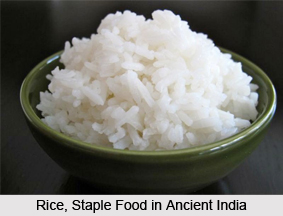
Food in Ancient India
Food in Ancient India has been largely agro based as the society in India in the ancient times was primarily agro based. The food of ancient India ref...
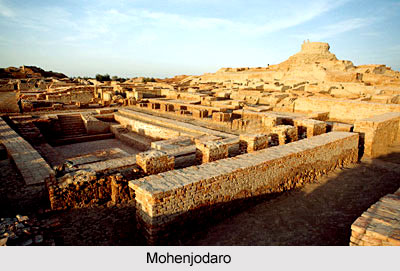
Food in Indus Valley civilization
Food in Indus Valley civilization largely depicts the agrarian culture of ancient India. As this had been one of the earliest civilisations of India,...
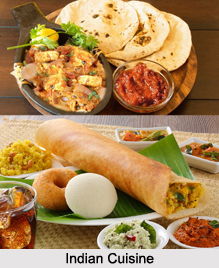
Indian Regional Cuisines
The intriguing style of different cooking style contributes to the diversity of the Indian regional cuisines.
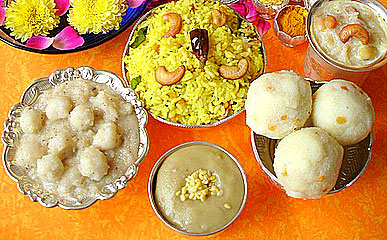
Indian Festive Foods
Indian Festive foods augmenting the richness of Indian festivals, have gained popularity.
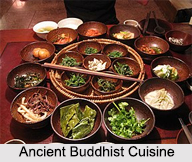
Ancient Buddhist Cuisine
Ancient Buddhist Cuisine has been well described in the early Buddhist works in which food has been classified into four categories.