
As per the Hindu mythology, the Uraddhabahus extend one or both arms above their heads, till they remain of themselves thus elevated. The mythology says that the Urddhabahus also close the fist, and their nails are necessarily suffered to grow and the nails make their way between the metacarpal bones to completely perforate the hand.
The Hindu mythology says that the Urddhabahus are actually solitary mendicants; as are all of these descriptions and they never have any fixed abode. They subsist upon alms and a number of them go naked. However, some of them wear a wrapper stained with ochre and they usually assume the Saiva marks. They also twist their hair so as to project from the forehead and they do so in imitation of the Jata of Siva.
This article is a stub. You can enrich by adding more information to it. Send your Write Up to content@indianetzone.comation to it. Send your Write Up to content@indianetzone.com.
Urddhabahus
They are the solitary mendicants and never have any fixed abode.
Recently updated articles in Religion in India
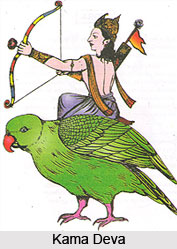
Kusumayudha
Kusumayudha is a name of Kamadeva, the Hindu God of Love. Depicted with a sugarcane bow and flower-tipped arrows, he represents attraction and longing...
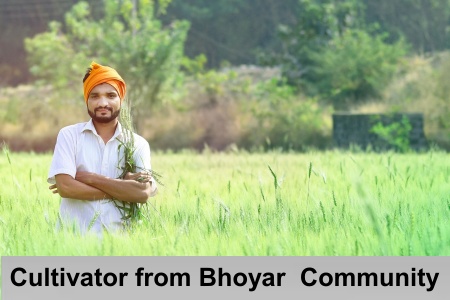
Bhoyar Caste
Bhoyar Caste is largely found in the Central Provinces of the country. Traditional occupation of Bhoyars is agriculture. They are good cultivators and...
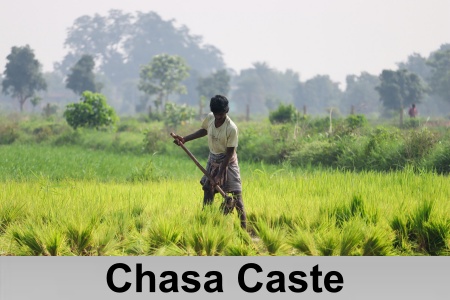
Chasa Caste
Chasa caste is a prominent agrarian community native to Odisha. Traditionally associated with cultivation and farming, Chasas have historically played...
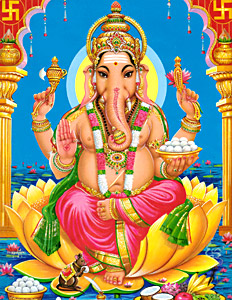
Vigneswara, A Form of Lord Ganesha
Lord Vigneswara is another form of Lord Ganesha or Vinayaka, prominently worshipped as the God of intelligence and good luck in the Indian subcontinen...
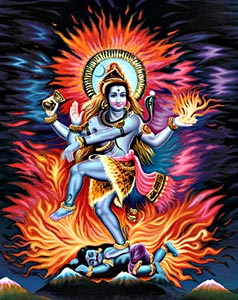
Maheswara
Maheswara, meaning “the Great Lord,” is a revered name of Lord Shiva in Hindu tradition. It represents Shiva’s supreme authority over creation, preser...
Related articles in Religion in India
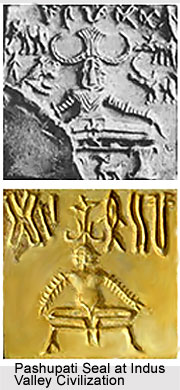
Religion in Indus Valley Civilization
Religion in Indus Valley Civilisation included Hinduism, Buddhism and Jainism. Details about the religion in Indus Valley Civilization have been gathe...
Iyer Brahmin
Iyer Brahmins are originally from Tamil Nadu of South India. They are known for their adherence to Advaita philosophy and Smarta traditions. Tradition...
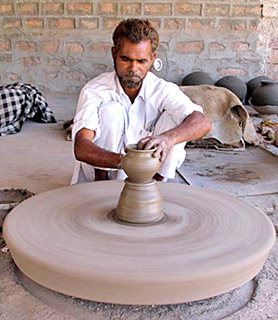
Kumbhakar / Kumhar Caste
Kumbhakar or Kumhar caste is a traditional artisan community in India known for pottery making. Derived from Sanskrit word Kumbhakar, meaning potter,...

Gujjars in Mughal Era
Gujjars in the Mughal era enjoyed great power. Further their power increased with the decline of Aurangzeb, Mughal emperor.
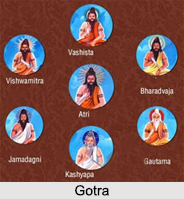
Gotra in Hinduism
In Hinduism, gotra refers to a lineage system tracing descent from ancient sages, primarily through the paternal line. Originating from Vedic traditio...