 Tourism in Dumka District basically includes several exploring options that are considered worth visiting. In Dumka District, there is no dearth of beautiful sightseeing options. Tourism options in Dumka District are meant to give you a memorable travelling experience filled with immense joy and tranquility. Here, in this district of Jharkhand, one can experience religious as well as nature tourism.
Some of the major attractions of Dumka District are as follows -
Pilgrimage Tourism in Dumka District -
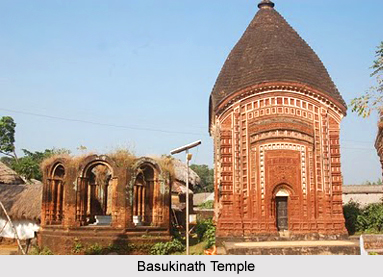
Baba Basukinath Dham: Baba Basukinath Dham lies on Deoghar - Dumka state highway and is around 25 km north-west of Dumka. Basukinath Temple is the main attraction of this place of pilgrimage. Every year huge number of people from different parts of the country visits this place for worshipping Lord Shiva. They usually come in the month of Shravan.
Baba Sumeshwarnath: It is a religious place which is situated in Saraiyahat Block at a distance of 60 km from district headquarters Dumka. There is a big temple of Lord Shiva here. On the eve of Mahashivratri, people from different parts of the district come here to offer their prayers.
Naag Mandir: Naag Mandir is situated at the top of Shiv Pahar at Dumka.
Malooti: Mallooti is a historical and religious place which is situated in Shikaripara Block on Dumka - Rampurhat inter-state highway at a distance of 55 km from Dumka District headquarters. This place has religious associations with it.
Nature Tourism in Dumka District -
Mayurakshi River: Mayurakshi is the main river of Dumka District. It offers amazing view of the nature.
Massanjore Dam: Massanjore is a famous picnic spot situated in here. The picturesque Tilpara Barrage (also Canada Dam) on the Mayurakshi River is a major attraction. The dam is bounded by hills and forests offering a perfect view. This place is basically a hydro electric power generating centre, but with the passage of time it has become a popular tourist spot.
Tatloi: It is a hot water Spring, situated at a distance of 15 km from the district headquarters Dumka. It is rounded by small mountains, beautiful, attractive and greenish natural atmosphere.
Water Park: Water Park is the famous park for boating and different other water rides.
Shristi Hill Park: Shristi Hill Park is a famous hill park of Dumka. It is considered as a complete entertainment zone. View of the hills, boating, and collection of rare plants are some of the main attractions of this park.
Hill Ranges of Dumka are other attractions of Dumka District. These popular tourism spots of Dumka District attract people from several parts of the world.