
The Charter Acts issued to the East India Company endowed it with s enormous Commercial privileges and later on endowed them with the powers to rule India up to 1858. The Charter Acts opened the opportunity of the free overseas trades and at the same time it was a source of income for the Crown. To make the overseas business attractive to investors, the Crown granted monopoly rights to the British overseas maritime companies. The monopoly charter to a company meant that trading rights in its chartered territories were denied to other British private traders. The Charter Acts issued enabled the East India Company, commercial privileges in several series, for twenty years each. The first Charter Act was granted in 1793, granting the company provision of 20 years. Later the Charter Act was renewed in the year 1813, 1833 and 1853 respectively.
The Charter Acts of 1793 - In the charter Acts of 1793, the company commercial privileges were extended for a period of twenty years. The significant features of the Charter Act of 1793 was that s bys this act special emphasis was given on the presidencies of Bombay, Madras.
The Charter Act of 1813 -The Charter Act of 1813 renewed the tenures of the commercial privileges of the Company. Moreover the Charter of 1813, envisaged that`s the Company should function as the commercial body wholly. Its political function was limited considerably.
The Charter Act of 1833 - The Charter Act of 1833, granted a lease to the Company for further twenty years. The Act introduced centralization in the legislative ands administrative function and provided the abolition of slavery, thereby brought several changes in the Constitutions of India.
The Charter Act of 1853 - The Charter Act of 1853 renewed the powers of the company but did not mention the specific time period. The Act allowed the company to retain the possession of the Indians territories in trust of Her Majesty. The Charter Acts of 1853 provided for thorough revisions of the existing legislative procedure.
Indian Charter Acts
Charter Acts enabled the East India company exclusive rights of trade and commerce and subsequently to rule India.
Recently updated articles in History of India
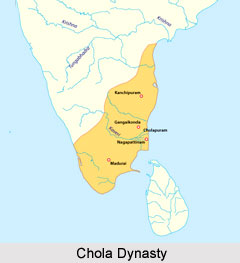
Chola Dynasty
Chola Dynasty is a Tamil dynasty and had longest duration of ruling in parts of South India. Chola dynasty had ruled South India successfully for a ex...
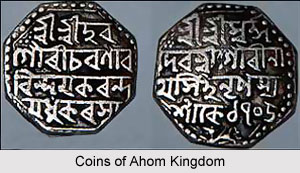
Suhungmung
Suhungmung was the fourteenth ruler of the Ahom dynasty who ruled from the period 1497 to 1539 AD. His reign was significant in terms of expansion of...
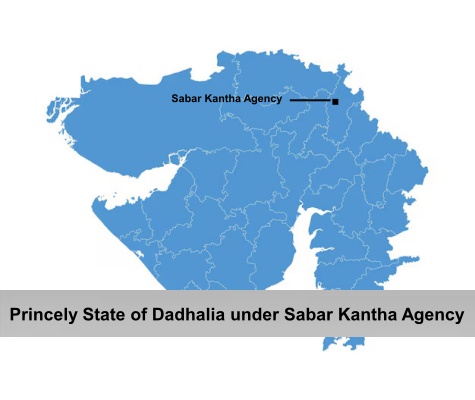
Princely State of Dadhalia
Princely State of Dadhalia was located in the present state of Gujarat. The state covered a total area of 28 sq miles and comprised of 15 villages. Th...
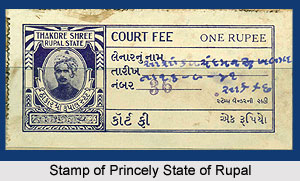
Princely State of Rupal
Princely State of Rupal was a part of the Baroda Agency, a sub division of Western India States Agency. It was under the administrative control of the...
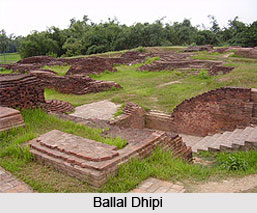
Archaeological Sites of West Bengal
Archaeological sites of West Bengal reveal several aspects of ancient India. Excavations by the Archaeological Survey of India have furnished artefact...
Related articles in History of India

Mughal Architecture during Babur
Mughal architecture during Babur marked the foundation of a new architectural era in India, blending Timurid, Persian, and local influences. His reign...

Architecture during Sayyid and Lodi Dynasty
Architectures during the Sayyid and Lodi dynasty were mainly the tombs and monuments for the dead rulers. It were carefully designed and meticulously...

Brahmanical Sources of Ancient History
Brahmanical Sources of ancient history are contained in the Vedas and they constitute one of the most important literary sources of information about...

Coins of Chola Empire
Coins of Chola Empire were issued in gold, silver and copper and carried the Chola emblem.

Coins of Khilji Dynasty
Coins of Khilji Dynasty had an influential feature that was followed by the other dynasties.