
Stotras of Chinnamasta are not mandatory practises like the ritual worship. The practitioner is however encouraged to chant these mantras daily after completing the ritual worship. The stotra elucidates upon the greatness of goddess Chinnamastika. The stotras comprises of lauds and depiction of Chinnamasta and her both attendants, Varnini and Dakini. The stotras are foremost a tribute to goddess Chinnamasta. This is very well evident by the bracketing of praises to Chinnamasta in the first and last paragraphs. The worshipper remains in a superior company because the supreme gods, Lord Brahma, Lord Shiva and Lord Vishnu, as well as yogis pay homage to Chinnamasta in the text. A devotee professes faith, while establishing loyalty and veneration to the goddess. Moreover by chanting the stotras one gets to known about the form and formless aspects of the goddess and hence becomes closer to her. It is the general belief of the devotee that by chanting the name and mantra of the goddess all efforts and dedication will result in receiving the desired goals, wealth, grain, great knowledge and the eight siddhis.
Kavaca
Kavaca means armour or a coat of mail. In the nyasa of the ritual section Kavaca refers to crossing of one`s arms and touching the shoulders. By reciting the mantra the practitioner secures his full body. These mantras should be recited at designated places of the body, beginning with the head and ending with the feet. The practitioner needs to wear amulets empowered by mantras. This practise secures the practitioner as he requests the deities to guard particular parts of the body. These deities are summoned by reciting the appropriate mantras and are appealed to stay at these parts of the body in order to neutralise negative influences, to propitiate planets. They are also welcomed to ward off untimely death and to provide general protection against all adverse circumstances. By the blessings of these deities one can deactivate potential negative forces. The name of this kavaca means victorious over the three worlds. The three worlds are: the earth, intermediate space and the sky. Thus they encompass the entire Hindu conception of the universe.
Stotras of Chinnamasta
Stotras of Chinnamasta relates the greatness and prominence of the goddess. It is believed by the devotee that these mantras help in achieving goals, wealth, grain, great knowledge.
Recently updated articles in Religion in India
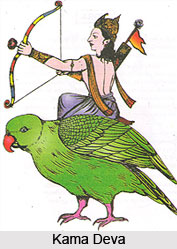
Kusumayudha
Kusumayudha is a name of Kamadeva, the Hindu God of Love. Depicted with a sugarcane bow and flower-tipped arrows, he represents attraction and longing...
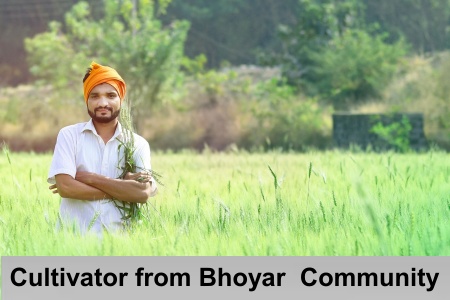
Bhoyar Caste
Bhoyar Caste is largely found in the Central Provinces of the country. Traditional occupation of Bhoyars is agriculture. They are good cultivators and...
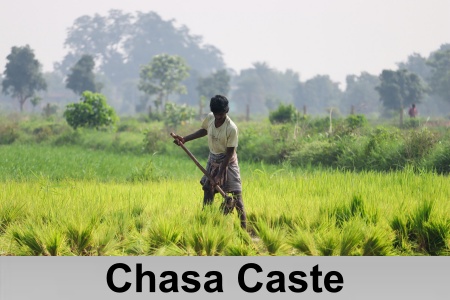
Chasa Caste
Chasa caste is a prominent agrarian community native to Odisha. Traditionally associated with cultivation and farming, Chasas have historically played...
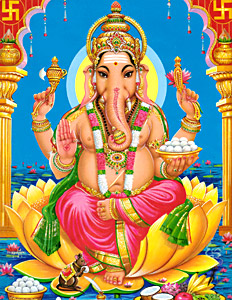
Vigneswara, A Form of Lord Ganesha
Lord Vigneswara is another form of Lord Ganesha or Vinayaka, prominently worshipped as the God of intelligence and good luck in the Indian subcontinen...
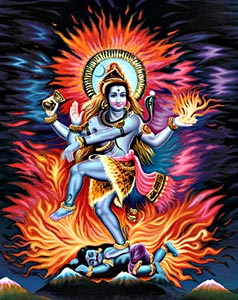
Maheswara
Maheswara, meaning “the Great Lord,” is a revered name of Lord Shiva in Hindu tradition. It represents Shiva’s supreme authority over creation, preser...
Related articles in Religion in India
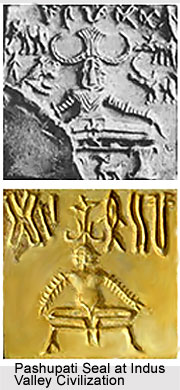
Religion in Indus Valley Civilization
Religion in Indus Valley Civilisation included Hinduism, Buddhism and Jainism. Details about the religion in Indus Valley Civilization have been gathe...
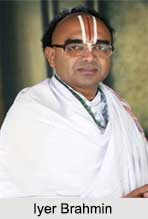
Iyer Brahmin
Iyer Brahmins are originally from Tamil Nadu of South India. They are known for their adherence to Advaita philosophy and Smarta traditions. Tradition...
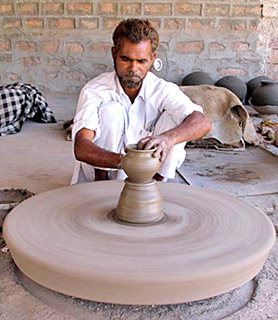
Kumbhakar / Kumhar Caste
Kumbhakar or Kumhar caste is a traditional artisan community in India known for pottery making. Derived from Sanskrit word Kumbhakar, meaning potter,...

Gujjars in Mughal Era
Gujjars in the Mughal era enjoyed great power. Further their power increased with the decline of Aurangzeb, Mughal emperor.
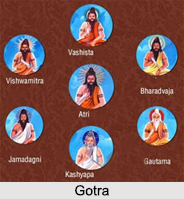
Gotra in Hinduism
In Hinduism, gotra refers to a lineage system tracing descent from ancient sages, primarily through the paternal line. Originating from Vedic traditio...