
Shri Gambhu Teerth located in the city of Jambu in Gujarat is a Jain pilgrimage centre. The teertha is situated in the middle of the Gambhu village at a distance of 16 kms from Mehsana. The temple is dedicated to Lord Parshvanatha, the twenty-third Jain Tirthankara.
History of Shri Gambhu Teerth
According to history Shri Gambhu Teerth dates back to the ninth century. As per Jain scriptures, the village was earlier known by two names, Gambhu and Gambhota. Many ancient Jain temples are said to have been built here. The village earlier served as an important place for the Jains and among a group of 144 villages it was regarded as its capital. Ruins of many temples and idols can be seen here. Many idols that have been built during the time of king Samprati are present in Gambhu village. The idol of Shri Gambhira Parshvanath Bhagavan is also during the reign of the king. Some of the idols discovered from underneath the ground were sent to Mumbai, Palitana, Talaja and other places.
Sri Gambhu Teerth is famous for many ancient works. Here Acharya Shri Shilankacharya wrote a commentary on the "Acharanga Sutra" in V.S. 919. Other than this Parshvanaga, the disciple of Saiddhanti Yakshadeva also wrote commentaries on "Shravaka Pratikramana Sutra" on palm leaves here in V.S. 1228. The commentary on "Upangapanchaka" is also said to have been composed here in V.S. 1305. Even the ancient work "Sushruta" is believed to be created here. It is thus evident that this teerth kshetra has been the hub of Jain religious activities. The temple is visited by thousands of devotees from different places. It is believed that by worshipping the Lord with full devotion one can get all their wishes fulfilled.
Temple of Shri Gambhu Teerth
Shri Gambhu Teerth is dedicated to Bhagawan Gambhira Parshvanatha. The temple has been magnificently decorated with intricate artistic designs. It stands as a unique example of ancient architectural beauty. The idol of the Lord is almost 46 cm in height and is white in colour. It is seated in a padmasana posture.
The Temple of Shri Gambhu Teerth organises many annual gatherings and functions. There are provisions for dharamshalas or rest houses for the pilgrims. These are well equipped with all modern facilities. Being located in a village, the temple is surrounded by scenic beauty that attracts and mesmerises the pilgrims. The calm and tranquil environment makes it a suitable place for religious activities. The kshetra is well connected to road, rail and air. The nearest railway station of Mehsana is located at a distance of 16 kilometers. Taxi services and bus services are easily available here. The nearest bus stand is located at Bechraji. Pilgrims can also avail the Mehsana - Modhera road while going to Gambhu via Ganeshpura. The nearest airport is located at Ahmedabad.
Shri Gambhu Teerth
Shri Gambhu Teerth located in Gujarat is dedicated to Lord Parshvanatha. The teerth kshetra dates back to the ninth century and ruins of several other Jain temple can be seen here.
Recently updated articles in Religion in India

Kusumayudha
Kusumayudha is a name of Kamadeva, the Hindu God of Love. Depicted with a sugarcane bow and flower-tipped arrows, he represents attraction and longing...

Bhoyar Caste
Bhoyar Caste is largely found in the Central Provinces of the country. Traditional occupation of Bhoyars is agriculture. They are good cultivators and...

Chasa Caste
Chasa caste is a prominent agrarian community native to Odisha. Traditionally associated with cultivation and farming, Chasas have historically played...
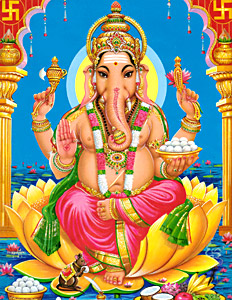
Vigneswara, A Form of Lord Ganesha
Lord Vigneswara is another form of Lord Ganesha or Vinayaka, prominently worshipped as the God of intelligence and good luck in the Indian subcontinen...

Maheswara
Maheswara, meaning “the Great Lord,” is a revered name of Lord Shiva in Hindu tradition. It represents Shiva’s supreme authority over creation, preser...
Related articles in Religion in India
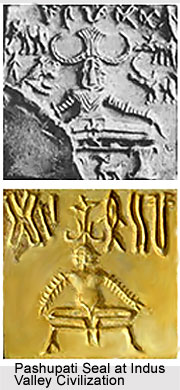
Religion in Indus Valley Civilization
Religion in Indus Valley Civilisation included Hinduism, Buddhism and Jainism. Details about the religion in Indus Valley Civilization have been gathe...
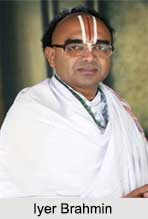
Iyer Brahmin
Iyer Brahmins are originally from Tamil Nadu of South India. They are known for their adherence to Advaita philosophy and Smarta traditions. Tradition...
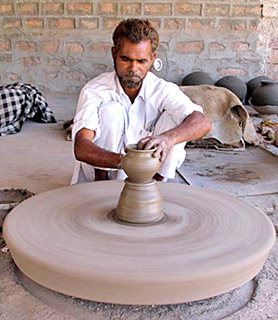
Kumbhakar / Kumhar Caste
Kumbhakar or Kumhar caste is a traditional artisan community in India known for pottery making. Derived from Sanskrit word Kumbhakar, meaning potter,...

Gujjars in Mughal Era
Gujjars in the Mughal era enjoyed great power. Further their power increased with the decline of Aurangzeb, Mughal emperor.
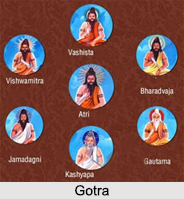
Gotra in Hinduism
In Hinduism, gotra refers to a lineage system tracing descent from ancient sages, primarily through the paternal line. Originating from Vedic traditio...