Mughal Dynasty
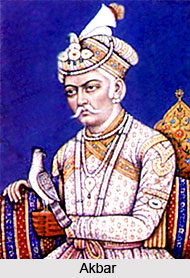
Mughal Dynasty was an imperial power of Indian Subcontinent. The "classic period" of this dynasty started in 1556 with the accession of Jalaluddin Mohammad Akbar and continued till 1857.

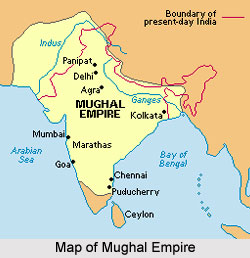
Mughal Dynasty was an imperial power of Indian Subcontinent. The "classic period" of this dynasty started in 1556 with the accession of Jalaluddin Mohammad Akbar and continued till 1857.
Land Revenue System in Mughal Dynasty had different assessment modes and it mainly included jagir and khalisa. Land revenues collected from khalisa used to be deposited in the royal treasury whereas that collected from the jagirs would go to the mansabdars.
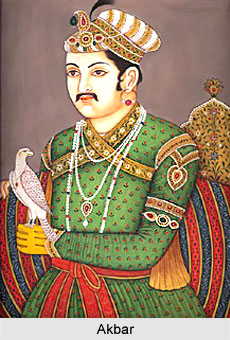
Akbar introduced the Mansabdari System in the Mughal army which primarily meant the ranking of officers on decimal system.
Administration of Mughal Dynasty brought about certain fundamental changes in the administrative system of India. They introduced a number of new positions in administration in an organised way. By far the biggest change they brought with them was that of religious tolerance in administrative matters.

Revenue System of the Mughal Dynasty went through certain changes from Babur to the reign of the later Mughals. However the system was quite an efficient one and helped in the prosperity of the Empire.
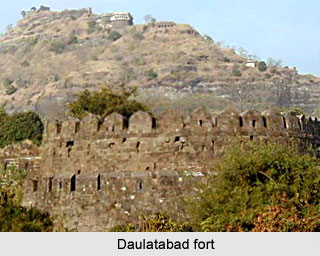
Deccan Policy of the Mughal dynasty was weak during the reign of Babur and Humayun but after the accession of Akbar on the throne, the political situation changed and the Deccan policy was a success.
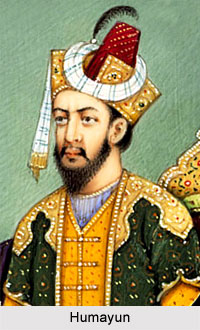
Astrology during Mughal Dynasty had a rather prominent role to play in the affairs of the state. It was an important element not only in the making of life-changing decisions but in the day to day administration of the state and most of the Emperors ruled according to planetary positions and the advice of the astrologers.
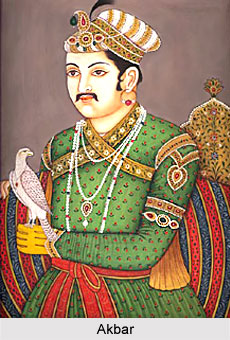
Culture under Mughal Empire witnessed some improvement as compared to the culture under the Sultanate. The gulf between have and have-nots had reduced to some extent.
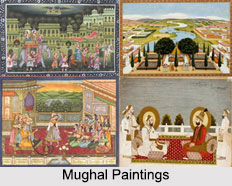
Mughal Paintings evolved with the passing of different eras under the influences from the paintings of various religions and cultural sections of the society.
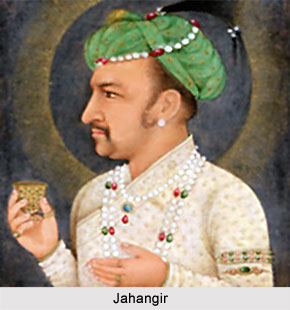
Jahangir, the Mughal Emperor ascended the throne after the death of his father Akbar and he assumed the title of Nur-ud-din Muhammad Jahangir. He was the fourth Mughal emperor who ruled India from 1605 to 1627. Known for his love of art, Jahangir`s reign was marked by cultural refinement and patronage. He married Nur Jahan, who wielded significant influence and played an active role in politics.
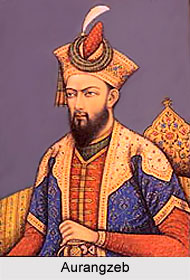
Aurangzeb was the son of Shah Jahan and he ascended to the throne as Mughal Emperor in 1658. Even though he was an extremely able administrator, it was his religious intolerance and fanaticism which created unrest among his subjects and led to a gradual undoing of the Mughal Empire.
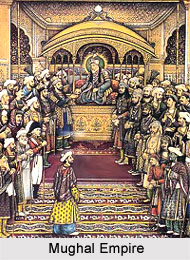
The sun of the Mughul Empire set after the death of Aurangzeb and the succession war among the Mughul Princes.
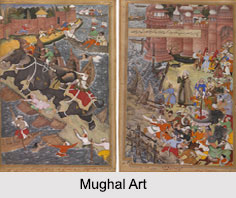
Mughal art and architecture offers an aesthetic degree to all art lovers. The subtlety of the finesse and the dazzle of the aura create huge amount of interest among tourist.
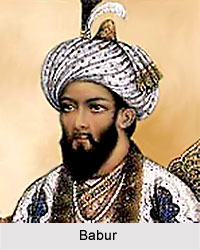
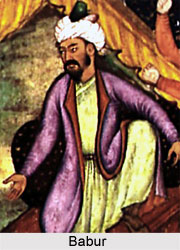
Zahiruddin Muhammad Babur ,born on February 14, 1483 was the founder of the Mughal Empire.
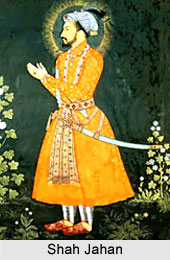
The Mughal emperors were a line of powerful and influential rulers who established and ruled over northern part of India from 16th to the 19th century. They left a lasting legacy, known for their architectural marvels, cultural achievements, and administrative reforms. Prominent Mughal emperors include Akbar, known for his religious tolerance and Shah Jahan, who built the iconic Taj Mahal.
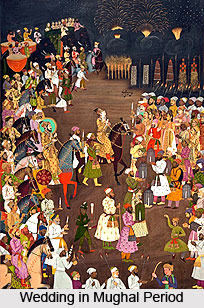
Wedding in Mughal period were a matter of pomp, show and extravagance of the interesting period of Indian History.
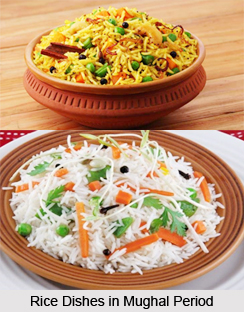
Mughlai Food is a style of cooking developed in South Asia by the imperial kitchens of the Muslim Mughal Empire.
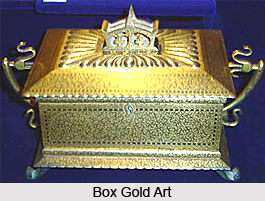
Gold Art in Mughal Empire was beautiful and displayed an excellent craftsmanship that existed during that era. The intrinsic artistry and skill that was portrayed was wonderful.
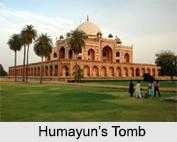
Mughal Gardens in India shows the elegance of art and architectural skill and the Persian conventional architectural design.
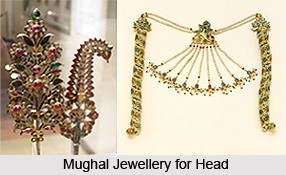
Mughal Jewellery for head and face is adorned now days also in bridal make ups and also the party of traditional fiesta.
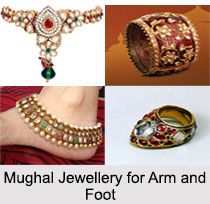
Mughal Jewellery for Arm and Foot is an example of Mughal ornamentation with grandeur and Rajputana art design.
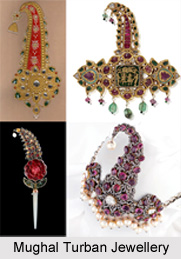
Mughal Turban Jewels are found in solitaire formation that makes a single elegance of glitter and colour.
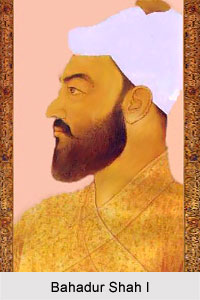
The later Mughals includes Shaha Alam, Bahadur Shah I , Farrukhsiyar , Ahmad Shah and Alamgiri, etc.
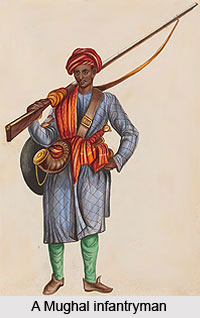
Indian Army during Mughal Rule saw various improvements. Though, they were coming from outside, the Mughal rulers showed considerable amount of interest in organising the Indian Army in a proper way.
Trade in Mughal India was diversified and quite developed. The vast range and volume of products that were manufactured by the industries of the country catered to both large domestic as well as international demands.
