Vaishnavism
Vaishnavism is among the more popular denominations of Hinduism, with its own distinctive ideas about spirituality and morality. Vaishnavism concentrates on worshipping god Vishnu and of his incarnations.

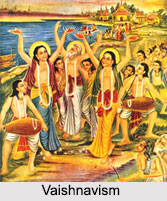
Vaishnavism is among the more popular denominations of Hinduism, with its own distinctive ideas about spirituality and morality. Vaishnavism concentrates on worshipping god Vishnu and of his incarnations.
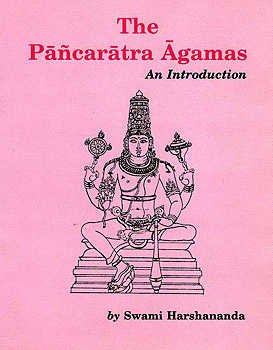
Vaishnavism in Agamas have gone a long way in strengthening the foundation of this particular branch of Hinduism. Most of the tenets of Vaishnavism have been comprehensively developed in the Agamas.
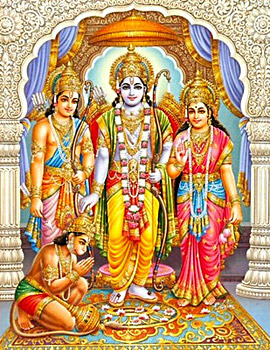
Vaishnavism in Epics has contributed towards further strengthening the beliefs and practices of Vaishnavism. The two epics of the Mahabharata and the Ramayana discuss the tenets of Vaishnavism in great detail and the Mahabharata in particular lays great emphasis on the various doctrines of Vaishnavism.
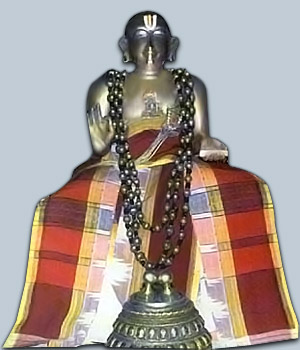
Development of Vaishnavism in post Vedanta Devika period primarily developed along two parallel lines. Popularly called as Sri Vaishnavism during this period, one of the sects owed its allegiance to Vedanta Desika whereas the other followed Manavalamamuni.
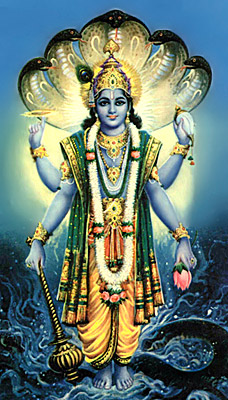
Concept of Purusha basically refers to Lord Vishnu. The Purusukta in the tenth mandala of the Rig Veda establishes that Vishnu is the Supreme being of the Purusa.

Worshipping of Vasudeva is the predominant idea of Pancharatra.
Bhakti Yoga in Vaishnavism refers to the means by which the highest spiritual goal is to be obtained. It is the Upasana of the Brahman which, apart from including the Yogic practices, needs to be preceded by the acquisition of philosophic practices.
Philosophy of Vaishnavism is contained in the Philosophies and theories of the Upanishads and the Vedanta Sutra. They provide the basis of the chief theological beliefs of Vaishnavism.
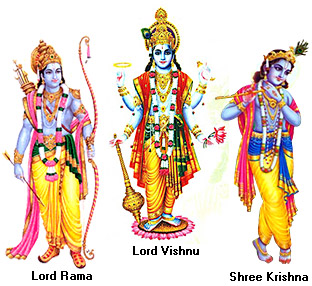
Origin of Vaishnavism shares its attributes to many sources and religious evolution, dating back to pre-Vedic epoch.
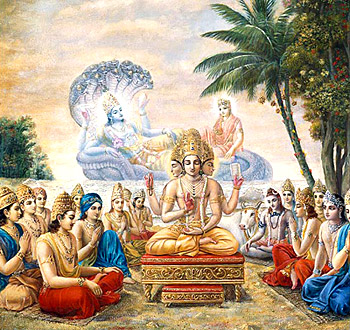
Guru Parampara is an important tradition in Vaishnavism. It implies the moral obligation of the student to worship the acharya as God. This stands for not only the student’s own acharya but the whole line of acharyas commencing from God, who is the first acharya.
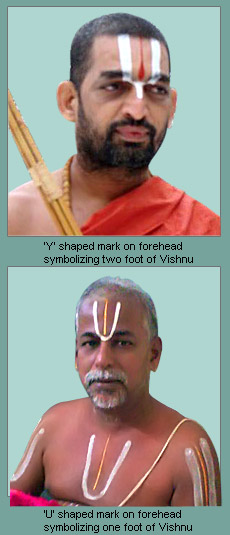
Sacraments in Vaishnavism are mainly five and they are known as the Pancha Samskara. In order for a Vaishnava to be fit to worship Lord Vishnu, it is a must to go through this prescribed initiation ceremony.
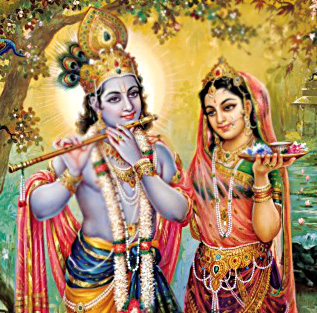
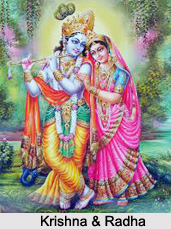
Chaitanya Vaishnavism focuses on the worship of Lord Krishna and Radha. The worship generally includes singing hymns in the names of Radha and Krishna with utmost dedication.
History of Vaishnavism dates back to the Vedic times. It was gradually expounded in the course of its development by a number of religious and literary texts such as the epics, Puranas and Agamas.
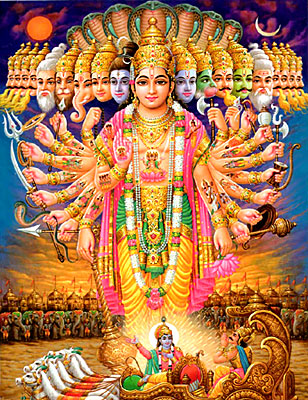
Vaishnavism in Puranas is considered important in determining the various doctrines and philosophies of Vaishnavite belief. Lord Vishnu is constantly upheld as the Supreme deity and the main cause of creation, sustenance and dissolution of the universe.
Vaishnavism in the Tamil Hymns of Alvars marks an important stage in the development of Vaishnavism. They cover all the most important teachings of Vaishnavism. Among the four thousand hymns composed by the Alvars, the Tiruvaymoli of Nammalvar is held in high esteem in the realm of Vaishnavism.
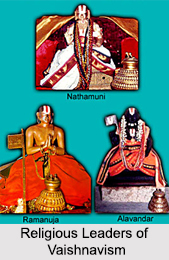
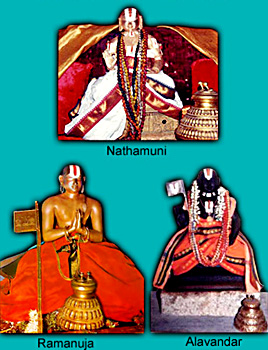
Development of Vaishnavism by Religious Leaders like Nathamuni, Yamunacharya and Ramanuja marks a very important phase in the history of Vaishnavism.
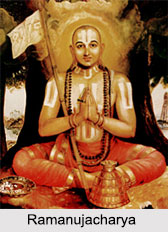
Development of Vaishnavism in Post Ramanuja period takes place in three successive stages. Vedanta Desika and Pillai Lokacharya have been important figures who contributed towards Vaishnavism during this period.
Development of Vaishnavism Under Vedanta Desika and Pillai Lokacharya witnessed significant changes. A number of important works were written during this period which added greater richness to the body of knowledge of Vaishnavism.
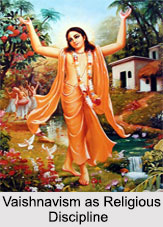
Vaishnavism as a Religious Discipline follows the philosophy that is found in the Upanishads. There are certain essential tenets of Vaishnavism which all the followers of Vaishnavism are expected to follow.
Role of the Acharya in Vaishnavism is very important as it is believed that the he is the only one who has the philosophic knowledge required to help his follower attain moksha. It is a must for the Vaishnava to worship the acharya in the same way that he worships God.
Ethical Values of Vaishnavism hold true all the accepted goodness of the various religions of the world. Integrity, honesty, faith in God, Satya etc are some of the common ethical values of Vaishnavism.

Theology of Vaishnavism is contained in the philosophies underlining the ancient sacred texts such as the Upanishads, Puranas and the Itihasas. The supremacy of Lord Vishnu is the major theological foundation of Vaishnavism around which the practice of the religion centres.
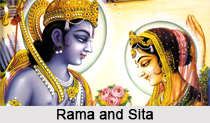
Vaishnavism in Narada Purana considers preservation as the chief function of Lord Vishnu. Vaishnavism is given the utmost importance thereby keeping Lord Vishnu on topmost among the most worshipped deities.
Tantra in Vaishnavism was an inevitable effect as there was a distinct class of Vaishnava Tantras.
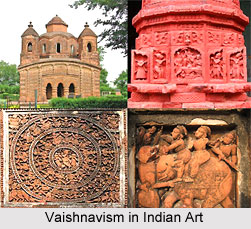
Influence of Vaishnavism on Bengali Literature was inevitable as the propagation of Chaitanya was deep rooted.
