Mizoram
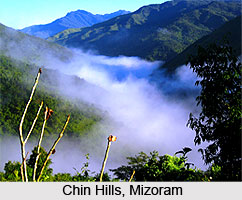
Mizoram is a gorgeous land of hills, rivers and lakes and is the most multicoloured topography among all hilly areas in the country.

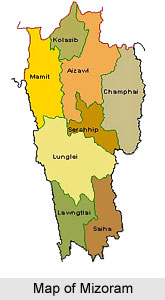
Mizoram is a gorgeous land of hills, rivers and lakes and is the most multicoloured topography among all hilly areas in the country.
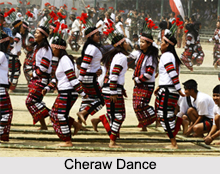
Folk dances of Mizoram are performed during the time of festivals. These dances are done in a group form.
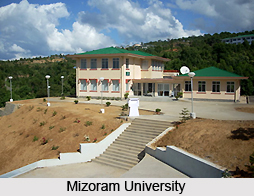
Mizoram University was established on 2nd July, 2001, by the Mizoram University Act, 2000 of the Parliament of India.
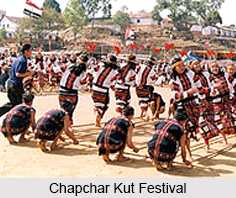
Festivals of Mizoram are mainly based on the agriculture. Some of its major festivals are Chapchar Kut, Anthurium Festival, Thalfavang Kut etc.
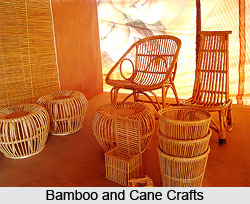
Bamboo and Cane Crafts of Mizoram is a unique art that displays local as well as modern touch.
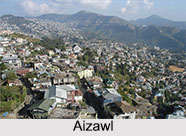
Cities of Mizoram are embellished with blue mountains, azure sky and the beautiful waterfalls, which lend a majestic atmosphere to this one of the Sven Sisters State of India
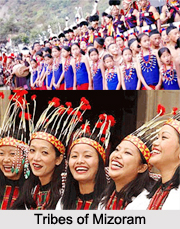
Tribes of Mizoram inhabit the major part of Mizoram. Tribes of Mizoram with their diverse festivity and heritage echo the true color of Mizoram.
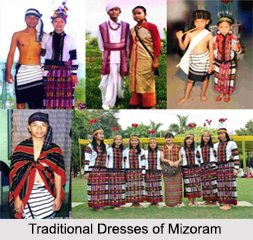
Traditional Dress of Mizoram truly reflects the essence of the North-Eastern Indian culture. The costumes are simple, elegant and colourful.
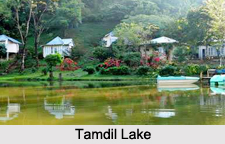
The state of Mizoram is blessed with a number of lakes which have lent beauty to it.
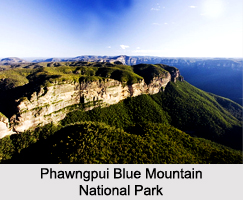
National Parks of Mizoram are protected areas maintained to preserve the flora and fauna in the state.
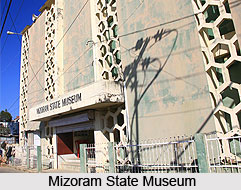
The Mizoram State Museum nestled at Aizwal exhibits different archaeological objects, musical instruments, etc.
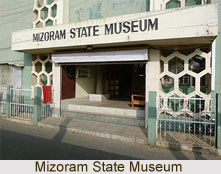
Museums of Mizoram stand as the insignias of the glorious past and archeological wonders of the state.

Mizoram is surrounded by hills, valleys, rivers, waterfalls and lakes. The hills range from 1000 meters to 2000 meters. Rivers, lakes and waterfalls also play major role in forming the land of Mizoram.
History of Mizoram includes the various historical events and incidents which occurred during the various ages, right from before the age of the Mughals.
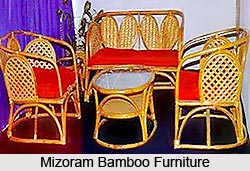
The crafts of Mizoram have a good international demand and efforts are also being made to promote various crafts. As the majority of the population are tribal, crafts of Mizoram comprises of indigenous products like home and kitchen utility items along with weaving and jewellery making art.
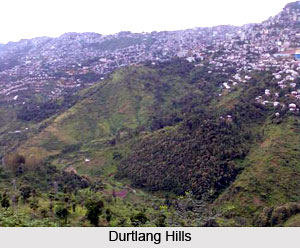
Tourism in Mizoram consists of popular tourist spots, hill stations, churches, waterfalls, wildlife sanctuaries, lakes and villages etc. One of the most popular tourist destinations of the state is Mizoram State Museum.
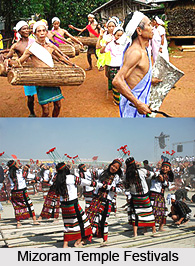
Mizoram temple festivals, influenced by tribal rituals reflect the aboriginal culture of the state. Majority of festivals are focused on agricultural harvest and are celebrated with dance, family get together and grand feats.
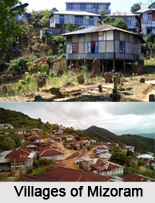
Villages of Manipur provide economic, cultural and agricultural strength to the state.
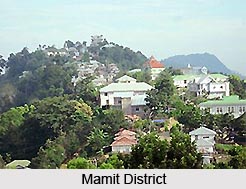
Districts of Mizoram include eight administrative districts. Deputy Commissioner is in charge of the administration of an individual district.

The Governor of Mizoram is the constitutional head of the state and is appointed by the President of India. The Governor performs various constitutional, executive, legislative, and judicial functions, while generally acting on the advice of the elected government. The office plays an important role in maintaining constitutional governance and administration.
Chief Ministers of Mizoram are the head of the State Government. They are entrusted with executive powers and serve a 5 years term. Zoramthanga is the present Chief Minister of Mizoram.
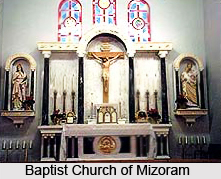
Religion in Mizoram was initially Animism but eventually the people also embraced other religions like Buddhism and Christianity.
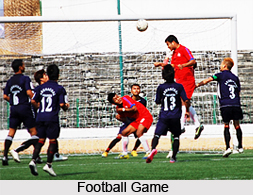
Sports in Mizoram centres around hunting, wrestling, trapping animals, judo, karate and several others.
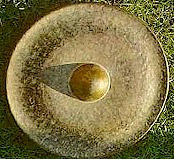
Musical instruments of Mizoram are ancient and simple. These instruments are an essential part of Mizo culture, encompassing a wide range of drums, gongs, wind instruments, and stringed instruments. They not only provide rhythm and melody but also carry cultural and symbolic significance, preserving Mizo heritage and creating a unique musical landscape.
Folk Music of Mizoram is based on singing that is accompanied by traditional drums, gong and other instruments.
