 Culture of Punjab is affluent due to the intermingling of external invasions, making it the richest and divergent one incorporating the cultural practices of its settlers. It is the site of Indus valley Civilization, highly acclaimed for its ethnic tradition. Traces of Mesopotamia, Greece, Egypt is also been found. No one stands in comparison so far as the sophistication and exuberance is concerned. The eloquence of Punjabi dancers and musicians remain invincible. Bhangra is a performing dance and music that gave Punjabis worldly-wise fame. Mughlai `khana` has become staples for even the non- Punjabis. The Dogra-Pahari style of wrapping turbans beautifies the stout and steadiness of Punjabis, pinpointing their excellent martial techniques that they have imbibed. The mosques, temples, `Gurdwaras`, not largely bare religious flamboyancy of Punjabi; they are examples of marvelous architectural wonders.
Festivals of Punjab
Festivals form an integral part of Punjabi culture; Apart from celebrating popular Indian festivals the Punjabis are initiated to fete some local festivals in pomp and grandeur. Teeyan is a popular festival, celebrating the arrival of the monsoons thus bringing an end of sultry days of the summer seasons.
The religious festival Gugga Naumi commemorates the worship of Gugga Pir. Pir`s worshippers smear his image on the wall with turmeric, also draw a black snake, in front of it and then execute the ritual. Special festivals, called Gurupureabs, are organized in Punjab in accolade of the Sikh Gurus. Among the three important Gurupurabs, the admirers with great élan fete the birth anniversary of Guru Nanak.
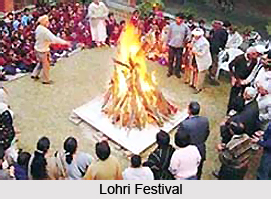
Punjabis celebrate the festival of light, Diwali, in zest, adding some special customs to it. In Amritsar`s Golden Temple, The people light the earthen lamps around the tanks and their swelling reflection in the water look awesome. Lori and Maghi are celebrated with great enthusiasm. Lori is held on the fourteenth day of January and marks a day of doing fire offering. Maghi, another popular festival of Punjabis, is also celebrated in the following day.
 Music and dance of Punjab
Culture of Punjab is incomplete without its treasure house of music and dance. There is a wide variety of folk music, depicting the toils of day-to-day lives in simple and melodious rhythms. The element of elasticity of Punjabi folk music intrudes diversity to it. Boli is famous throughout Punjab. There are songs composed for special occasions, generally accompanied by musical instruments. Dholak, Algoza, Iktara, Dhad Sarangi append allurement to the recitation.
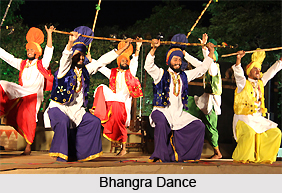
Culture of Punjab is a treasure house of various dance styles with wide participation of people of carried caste and creed. However, there are separate dance forms for males and females and co- mingling is avoided. The two popular dance forms, Bhangra is the male dance and Giddha is the female dance. Punjabis perform Bhangra on Baisakhi as a mark of celebration of full harvest, showing gusto and tempo. On special occasions, women folks execute dance with utmost feminine gestures and flexibility. In Malwa, the Giddha is practiced during weddings and is known as `Viyahula Giddha`. Another dance for women, Sammi is a popular in Sandal Bar and it is named after legendary damsel Sammi, who used to express her love for her beloved by dancing and singing. Other popular dance forms like kikli, Karthi and Jhumar are widely prevalent in Punjabi society.
Cuisine of Punjab
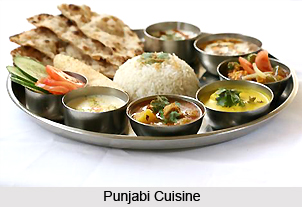
That Culture of Punjab is rich and robust, and their cuisine bears a proof of it. They are non- vegetarians and had developed taste for rich food items. Chicken is the staple food and various delicacies like Tandoori chicken is devoured by the non- veggies of the whole nation. Spices are important ingredients of Punjabi meals. Cardamom, black pepper, Coriander, cumin, cloves, cinnamon, red chili powder, turmeric and mustard are common names in Punjabi kitchen. Punjabi cuisine, however, has lot to offer to all the veggies. Mah ki Dal, Sarson Ka Saag, Palak Paneer and stuffed parathas embossed the culinary exuberance of the state.
 Lifestyle of Punjab
Lifestyle of Punjabis depicts the rich heritage of Culture of Punjab. Being the home ground of pristine civilizations it is quite natural that Punjabis inherited all their grandness. Archaic literature like Vedas and Upanishadas too had their origin in this region. Punjab is a land of five rivers, thus making the land fertile and exhaustive with minerals and crops.
Naturally the tribes and other ethnic groups constitute the Punjabi society, practice farming and irrigation. Commercial viability and rich historical remnants attract the tourism industry to flourish to suffice the myriads of migrants and tourists. Phulkari work is one of the most fascinating expressions of the Punjabi folk art. Women have developed this art at the cost of some of their very precious moments of leisure.
Culture of Punjab ennobles the whole of Indian culture and tradition with its vistas of exquisite music, festivals, hot cuisine and humdrum livelihood.