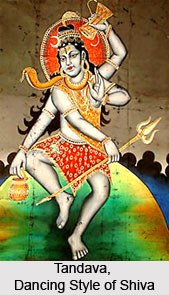
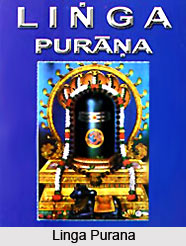
 The Linga Purana is one among the eighteen Indian Puranas. The principal theme of the work is the worship of Lord Shiva in his various forms, particularly in the form of the Linga symbol. The existing text of the Linga Purana is divided into two parts, comprising 108 and 55 chapters respectively. In these parts is contained the descriptions regarding the origin of universe, origin of the Linga, and emergence of Lord Brahma and Lord Vishnu, and all the Vedas from the Linga. In this Purana, Shiva sometimes directly talks about the importance of the worship of Linga and the correct rituals to be followed during the Puja of the Linga.
In the Linga Purana is given an account, though a little confused, of the legend of the origin of the Linga cult. In the account of, creation Shiva occupies the position which is otherwise ascribed to Vishnu. Corresponding to the incarnations of Vishnu, the legends of twenty-eight incarnations of Shiva are told in the Linga Purana. Some passages show the influence of the Tantras as well. This fact and the character of the work as a manual for the use of Shiva-worshippers would seem to indicate that it can scarcely be a very ancient work.
Content of Linga Purana
The Linga Purana is divided into two parts. The first part of the Purana describes the origin of the Linga and gives the detailed description of its worship. There are also other sections dealing with the creation of the cosmos, marriage of Shiva, description of Surya and Soma and the descriptions of Varaha avatar and Narshimha avatar of Lord Vishnu.
In the next part is described the prominence of Lord Vishnu, and the emergence of Lord Brahma as the creator of cosmos. The description of the seven islands, Mount Meru and other prominent mountains is described in the third section of this Purana. There is also the reference of the radiance of Lord Surya. The next part deals with the account of Dhruva, origin of different deities, details of dynasties of Aditya and Yadu, annihilation of the demon Jalandhar and the origin of Lord Ganesha. The last part describes the story of Upamanyu, significance of certain mantras, importance of gurus, different types of yoga and the procedure for the installation of linga.
Thus discussed above is the Linga Purana, the book dedicated to the Linga form of Lord Shiva. The Linga Purana describes Shiva in the quoted words, "Shiva is signless (sexless), without colour, taste or smell, beyond word and touch, without quality, changeless, motionless."