
Kuttams in Medieval Kerala headed by the Nair community prevented the rulers from becoming tyrannical. These national assemblies occupied a prominent place in the political organisation of Kerala. There were three types of Kuttams. For smooth military functioning the kingdom was divided into several nadus and each nadu was sub divided into desams. For proper civil administration each nadu was subdivided into taras or villges that was presided over by Karanavars.
As per historical evidences three different kinds of Kuttams existed. The three types of kuttams were: the kuttam of the tara, the kuttam of the nadu and the kuttam of all Kerala. The Keralanational assembly met under normal circumstances once in twelve years at Tirunavaya on the occasion of the Mamankam festival. Entire state was expected to be represented in this assembly. It had immense powers and it is also believed that it even had the power to remove the reigning monarch and establish a new one. The kuttam of the tara division met to discuss important local matters. The nadu had its own assembly.
These assemblies played an important part in the administration of the kingdom. The origin of these village communities could be traced to Parasurama as per tradition. According to tradition Parasurama handed over the Government to the Namboodiris who spread themselves in sixty four villages and established village communities. The village communities of the Brahmans were called gramams and those of the Nairs were known as the taras. The Brahmans introduced a republican form of government that comprised of four kalakams or councils. It consisted of representatives of the sixty four gramams that was presided over by an officer called Rakshapurusha who was their elected executive officer for three years. However after partition of Kerala the Kalakams became non existent and their position was taken by the kuttams of the Nadu. Kuttams occupied a central position in medieval Kerala as it was an effective safeguard against the oppression of the ruler.
This article is a stub. You can enrich by adding more information to it. Send your Write Up to content@indianetzone.com
Kuttams in Medieval Kerala
Kuttams in Medieval Kerala were the national assemblies that comprised of representatives who belonged to various regions of the state.
Recently updated articles in States of India
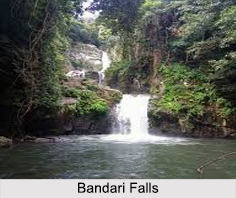
Bandare Waterfalls, Meghalaya
Bandare Waterfalls in South Garo Hills, Meghalaya, is a secluded natural attraction surrounded by dense subtropical forests and rugged mountain terrai...
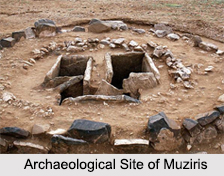
History of Thissur District
Early History of Thissur District explains flourishing of the port cities. Now these port cities are transformed into archaeological sites.
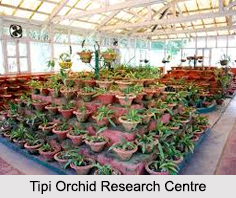
Tippi Orchid Research Centre, Arunachal Pradesh
Tippi Orchid Research Centre in Arunachal Pradesh is renowned for its rich collection of exotic and endangered orchids. Surrounded by lush rainforest...
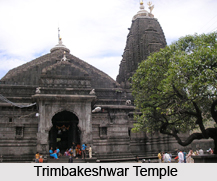
Tourism in Nashik District
Pilgrimage tourism in Nashik district involves visiting the various places of Hindu and Jain worship located here. Some of the holiest sites for Hind...
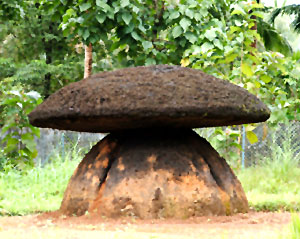
Mangadu, Kerala
Mangadu in Kerala’s Kollam district is a significant megalithic site known for its urn burials, cist burials, menhirs, and stone circles. Excavations...
Related articles in States of India
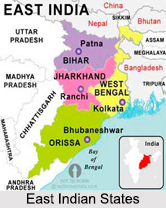
East Indian States
East Indian States comprises of Bihar, Jharkhand, West Bengal, Odisha and also the Union Territory of Andaman and Nicobar Islands. It defines the cult...
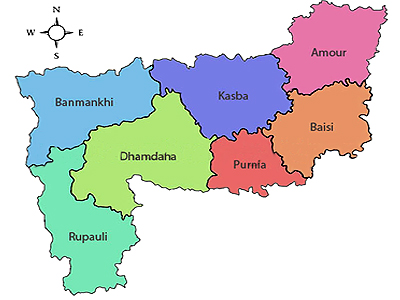
Purnia District in Bihar
Purnia District is located in Bihar and extends from River Ganga to Nepal. The district has a rich Hindu history and glorious past.
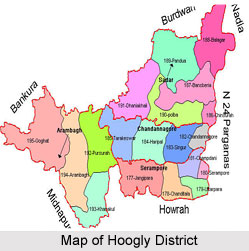
Hooghly district
Hooghly District along the bank of the river Hooghly is one of the principal trading ports of West Bengal.
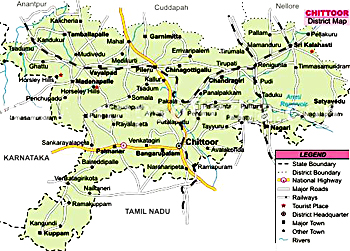
Geography Of Chittoor District
Geography of Chittoor district is spread along the topography of the land which is divided into two natural divisions; Chittoor has a dry and healthy...
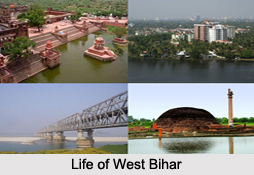
Districts of West Bihar
Districts of West Bihar is comprised of medieval monuments that were built by the different governors of Mughal era.