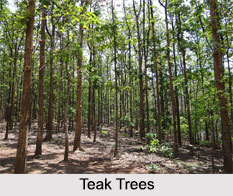
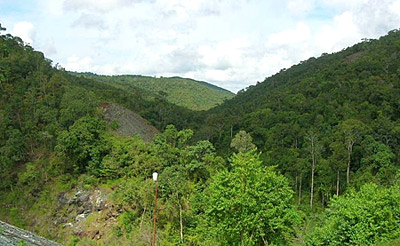
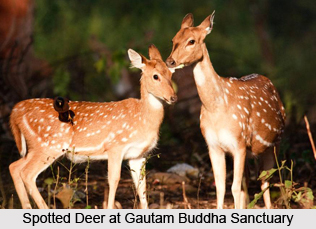
 Gautama Buddha Wildlife Sanctuary is a famous wildlife reserve and forest which is situated in the south eastern part of Gaya District in eastern Indian state of Bihar. This wildlife sanctuary is so named due to the presence of `Gaya`, which is a nearby town, as well as `Bodh Gaya`, another neighbouring town which are both connected to Lord Buddha and His divine enlightenment. Gautama Buddha Wildlife Sanctuary is spread across an area measuring about 259 square kilometres, half of its area extending over a plateau belonging to the area of Chota Nagpur and another portion of it extending over the fertile Gangetic plains. This part of the country is abounding with numerous ecosystems which co-exist, thereby giving rise to a great amount of biodiversity here. The density of the forest regions differs and so does the type of forests, as per the location.
History of Gautama Buddha Wildlife Sanctuary
Gautama Buddha Wildlife Sanctuary is amongst the most ancient wildlife reserves in the northern part of the country. The sanctuary was privately owned during the British Raj and even post Indian independence, till the year 1950 and it served as a popular Game Reserve which was often passed between the royal hands, British Empire in India and later, the Indians. Eventually, the place was proclaimed an official wildlife sanctuary during the year 1976 by the Government of Bihar, who later named it as the Gautam Buddha Wildlife Sanctuary.
Fauna of Gautama Buddha Wildlife Sanctuary
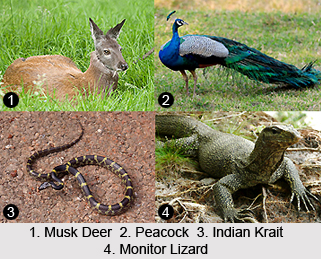
Gautama Buddha Wildlife Sanctuary boasts of a varied species of fauna which is inclusive of mammals and birds. Tiger, Blue Bull, Wild Buffalo, Spotted Deer, Barking Deer, Wild Dog and Leopard are some of the wild creatures which dwell inside this sanctuary. This region is also filled with plenty of birds or avifauna consisting of Pea Fowl, Water Fowl and many others.
The Divisional Forest Office, Gaya administers the Gautama Buddha Wildlife Sanctuary and therefore the sanctuary can only be approached if visitors are armed with the prior permission for paying visit to this region. The Range Officer supervises all the visits to this sanctuary and if special arrangements are required in the sanctuary, they are organised by this officer. The perfect time to access the sanctuary is during the winter, particularly in the period between the months of November and March, when one can easily avert the rains and scorching heat of the summer.