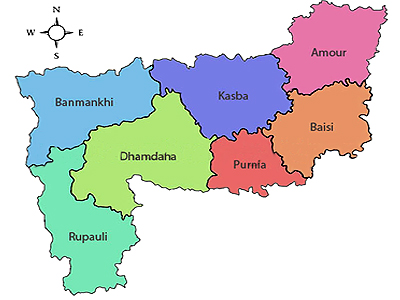
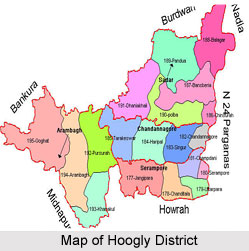
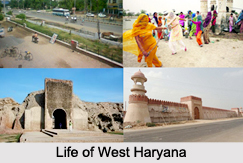
 Districts of West Haryana include Fatehabad District, Hisar district, Jind district, and Sirsa district. Haryana is the land of tourism. This place is also known as the place of historical significance. Kurukshtera Battles and the Battle of Panipath all were in this part of India. Haryana is the 20th state of India.
Geography of West Haryana
Haryana is situated in the North Western Region of India. It is surrounded by Himachal Pradesh from north, Uttrakhand from north east, Rajasthan from the south, Uttar Pradesh and Delhi from East and Punjab from North West.
Fatehabad District
Fatehabad District is the land of Islamic architecture. In this district, one can see the deer park, Mughal architectural sites and eco gardens. According to history, the Aryan speaking people first settled on the banks of the Saraswati River and Drsadvati River and then expanded to cover a wider area of Hisar of modern Hisar District and Fatehabad of Fatehabad District. The area was probably included in the kingdom of the Pandavas and their successors. Panini, an ancient scholar mentioned a number of towns in the region including Aisukari, Taushayana and Rori, which have been identified with Hisar, Tohana and Rohri respectively. According to the Puranas, the areas of Fatehabad district remained a part of the Nanda Empire of Sixteen Mahajanapadas Era. The discovery of Ashokan pillars at Hisar and Fatehabad shows that this area remained a part of Maurya Empire. The people of Agroha area assisted Chandra Gupta Maurya in the war against the Greeks, where Chandra Gupta Maurya fought against Selukas.
Hisar District
Hisar district is one of the 21 districts of Haryana state. Hisar city serves as the district headquarters. The district is also part of Hisar division, which is headed by a commissioner who is employed by the Indian Administrative Service. A ruler of Delhi Sultanate, Firozshah Tughlaq in the year 1354, founded Hisar. "Hisar" is an Arabic word which means "Fort". But the history of Hisar came into existence from the time of Emperor Ashoka. Hisar district is the largest district in Haryana until its 1966 reorganization, some parts of Hisar were transferred to the newly created Jind district. In 1974, Tehsil Bhiwani and Loharu were transferred to Bhiwani district. Hisar was further bifurcated when Sirsa district was formed.
Jind District
Jind district is a newly formed district in Haryana. Jind town is the administrative headquarters of the district. It is part of Hisar Division and was created in 1966. It is one of the first Sikh Kingdoms of medieval India. Jind District lies in the heart of Haryana and is the fourth district of the Jat belt along with Sonipat, Rohtak and Hissar.
Sirsa District
Sirsa district is one of the districts of Haryana state. Sirsa is the district headquarters, and is located on National Highway 9 and 250 kilometres from the Capital of India, Delhi.