
Conducting Mining Operations and Manufacture, as has been included in chapter XI of Book II in Arthashastra, mainly discusses the process with which the ores could be extracted and utilized by manufacturing them into finished products like coins, metals, ornaments etc. While the superintendent of mining looks after the mining procedure, the mined material is then used by the mint to manufacture coins under the supervision of Superintendent of Mint. The superintendent of ocean mines takes care of ocean extracts which have other ways of utilization. All these superintendents finally report to the Superintendent of treasury who finally includes these resources as state assets.
Conducting mining operations and manufacture then equips the Superintendent of Mining in dealing with copper and other minerals (Sulbadhatusastra), experienced in the art of distillation and condensation of mercury (rasapaka) and of testing gems, aided by experts in mineralogy and equipped with mining labourers and necessary instruments, examine mines which, on account of their containing mineral excrement (kitta),crucibles, charcoal, and ashes, may appear to have been once exploited or which may be newly discovered on plains or mountain slopes possessing mineral ores, the richness of which can be ascertained by weight, depth of colour, piercing smell, and taste.
Conducting mining operations and manufactures would include the ores which are extracted from the mountain peaks, plains, or slops of mountains which are either red in colour or yellow or reddish yellow in colour with blue marks will be included in the treasury. The ores which have the colour of conch shell, camphor etc are such metals which have less metallic elements within them. Also the treasury will include such metals with heavier ore. The superintendent of mines would make selection of such ores which are collected from the slope of mountains, plains, which possess colour, which have fragrances.
Conducting mining operations and manufactures also introduced the process with which the impurities of the ores were to be differentiated and treated with chemicals to get rid of impurities of the ore and include it in metal making. Arthashastra provides detailed provisions of treating the metal with various chemicals as well animal extracts which shall ascertain its purity. Overall manufacturing included manufacturing of commodities with the mineral ores.
Conducting mining operations and manufacture then specify the different types of ores which differ on colour. This will further include the job of Superintendent of Mint who shall be responsible for the manufacture of silver, copper, and gold coins. Superintendent of Metals shall carry on the manufacturing of metals like copper, tin, lead, zinc and commodities from these metals. Superintendent of ocean mines shall be responsible for shall be responsible for extracting diamonds, precious stones, pearls, corals, and salts and utilise them for the same purpose. While examiner of coins will regulate and check both as a medium of exchange and as a legal tender assembled in the treasury. So is with the crystallization of salts of which one sixth will go to the king`s account.
Thus, Conducting Mining and manufacture has made all provisions with which resources of the state can be best utilised and maximum benefit could be extracted. This also creates the asset of the kingdom which enriches the empire.
Conducting Mining Operations and Manufacture
Conducting Mining Operations and Manufacture had been the next important activity of Superintendent of treasury who with the help of three more superintendents of mines, mint, and ocean mines supervise the proper utilization of the resources of the state.
Recently updated articles in History of India
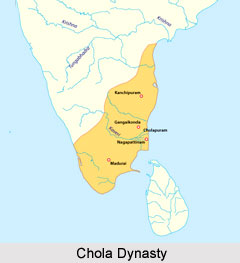
Chola Dynasty
Chola Dynasty is a Tamil dynasty and had longest duration of ruling in parts of South India. Chola dynasty had ruled South India successfully for a ex...
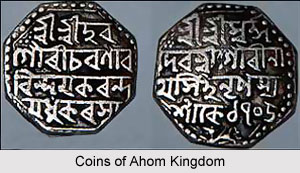
Suhungmung
Suhungmung was the fourteenth ruler of the Ahom dynasty who ruled from the period 1497 to 1539 AD. His reign was significant in terms of expansion of...
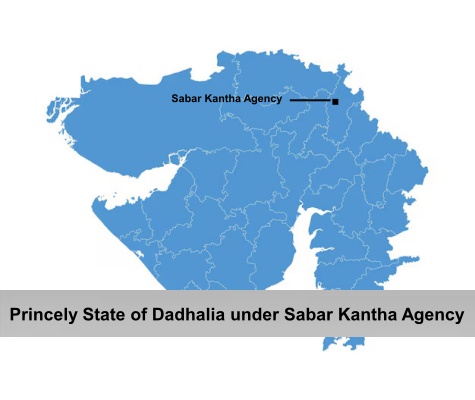
Princely State of Dadhalia
Princely State of Dadhalia was located in the present state of Gujarat. The state covered a total area of 28 sq miles and comprised of 15 villages. Th...
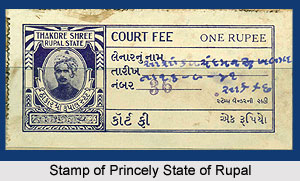
Princely State of Rupal
Princely State of Rupal was a part of the Baroda Agency, a sub division of Western India States Agency. It was under the administrative control of the...
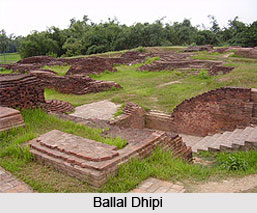
Archaeological Sites of West Bengal
Archaeological sites of West Bengal reveal several aspects of ancient India. Excavations by the Archaeological Survey of India have furnished artefact...
Related articles in History of India
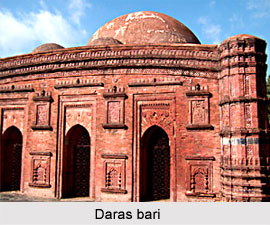
Mughal Architecture during Babur
Mughal architecture during Babur marked the foundation of a new architectural era in India, blending Timurid, Persian, and local influences. His reign...
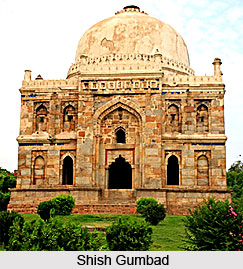
Architecture during Sayyid and Lodi Dynasty
Architectures during the Sayyid and Lodi dynasty were mainly the tombs and monuments for the dead rulers. It were carefully designed and meticulously...
Brahmanical Sources of Ancient History
Brahmanical Sources of ancient history are contained in the Vedas and they constitute one of the most important literary sources of information about...
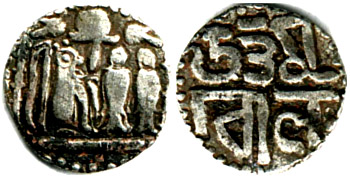
Coins of Chola Empire
Coins of Chola Empire were issued in gold, silver and copper and carried the Chola emblem.
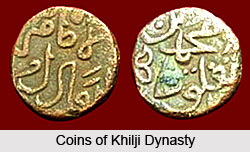
Coins of Khilji Dynasty
Coins of Khilji Dynasty had an influential feature that was followed by the other dynasties.