
Casteism in Modern Indian Theatre formed an essential part of the play narratives. The politics of caste and social exclusion which occupy modern Parsi Theatre produced in English (Nilufer Bharucha) were also critical to plays such as Girish Karnad`s Hayavadana (1971), Vijay Tendulkar`s Kanyaadan (1983), and Kusum Kumar`s Suno Shefali (Listen Shefali, 1978), for example. The latter deals with the angst of a `Harijan` girl, her questioning of self-worth, and her refusal to rely on the charity of the upper-caste. Yet caste related issues acquired a greater force and centrality in the work of Dalit theatre groups, amongst which Datta Bhagat`s play Routes and Escape Routes, is considered `the first modern Dalit play to reach a large and diverse audience.
The term Dalit, which refers to a `Realization` towards equality, in the words of Dangle foregrounds a politics of social reconstruction and change, which draws on the teachings and philosophy of Dr B.R. Ambedkar and Jyotirao Phule. Although it began in the Indian state of Maharashtra, Dalit theatre spread to Delhi, Karnataka, Tamil Nadu, Andhra Pradesh, Madhya Pradesh, Kerala, Goa, and Uttar Pradesh. In Uttar Pradesh, however, it contributed to the mobilization campaigns of the Bahujan Samaj Party (BSP) through the recovery and revival of stories of 1857 women warriors (concept of Viranganas) such as Rani Laxmi Bai, which are staged through popular theatre to highlight their roles in the nation`s struggle for liberation against colonial rule in 1857.
This article is a stub. You can enrich by adding more information to it. Send your Write Up to content@indianetzone.com
Casteism in Modern Indian Theatre
Casteism in Modern Indian Theatre was a major part of the plays in the early days. However, in the recent times playwrights have cleverly handled the entire issue.
Recently updated articles in Indian Drama & Theatre
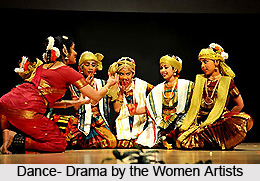
Amateur Theatre
Development of Amateur Theatre has been responsible for useful innovations in theatre culture of Karnataka.
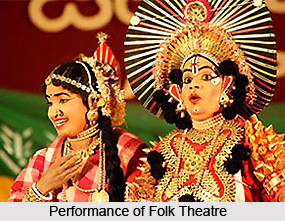
Surendranath Ghosh
Surendranath Ghosh or Dani Babu was a Bengali thespian active during the mid-20th century. He was mostly known for his contributions to Bengal’s moder...
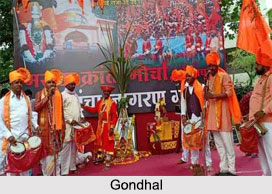
Gondhal Dance
Gondhal is a religious folk dance of Maharashtra. It is performed on special days like when there is a newborn in a family or marriage. Dedicated to g...

Pravritti in Natyashastra
Pravritti in Natyashastra refers to specific human behaviour varying from region to region. There are four types of Pravritti namely, dakshinatya, ava...
Padma Bhushan Awardees (2010-2019)
Padma Bhushan Awardees (2010-2019)
Related articles in Indian Drama & Theatre
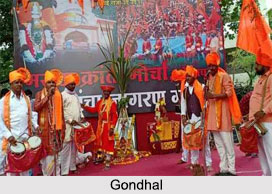
Gondhal Dance
Gondhal is a religious folk dance of Maharashtra. It is performed on special days like when there is a newborn in a family or marriage. Dedicated to g...
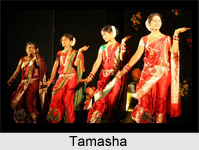
Tamasha Folk Dance
Tamasha is a folk art, which includes the love songs, which are traditional lavanis and dance along with the music.
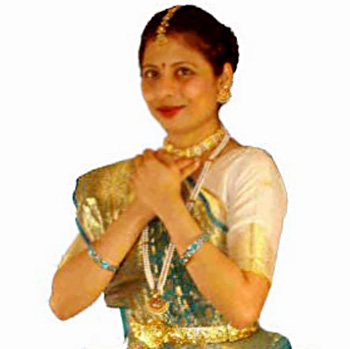
Sringara Rasa
Sringara Rasa is mentioned in Natyashastra as one of the important rasas. The Sthayi bhava in Sringara rasa is Rati or love.
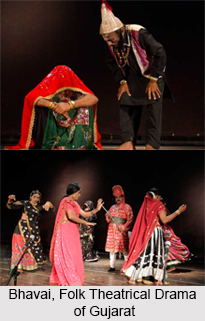
Bhavai - Folk Theatre of Gujarat
Bhavai is a popular folk theatre form of Gujarat that belongs to the tradition of theatre of entertainment.
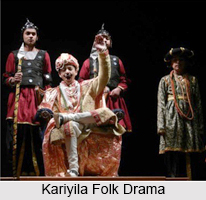
Kariyila Folk Dance
Kariyila is one of the most appealing and popular folk drama forms of Himachal Pradesh, portraying social satire with the accompaniment of folk dance...