Biligiri Rangaswamy Temple Wildlife Sanctuary

Biligiri Rangaswamy Temple Wildlife Sanctuary, Karnataka was set up under the Wildlife Protection Act and consists of various species of vegetation and numerable animals like Elephant, Bear, Tiger and so on.

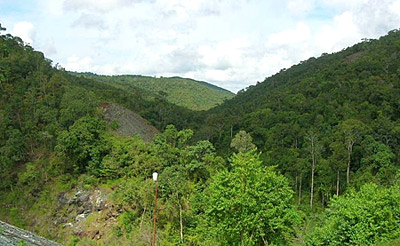
Biligiri Rangaswamy Temple Wildlife Sanctuary has been named after the Biligiri Ranagana Hills which is situated between Kapila and Kaveri Rivers, along the borders of Karnataka and Tamil Nadu, particularly in Yelandur and Kollegal talukas in Chamarajanagar District, Karnataka. The sanctuary is located at a distance of nearly 90 kms away from Mysore and 28 kms away from Yelandur. It is a protected region which was established under the Wildlife Protection Act of 1972.The Biligiri Rangaswamy Temple Wildlife Sanctuary is based at an altitude of nearly 5, 091 feet above mean sea level. On 27th June, 1974, this sanctuary was created close to the Biligiri Rangaswamy Temple and its total area was extended to about 539.58 square kilometres on 14th January, 1987.

Flora of Biligiri Rangaswamy Wildlife Sanctuary
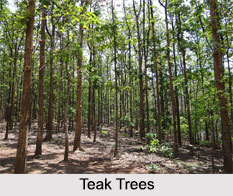
Biligiri Rangaswamy Temple Sanctuary possesses five main types of vegetation comprising 6.5 percent of Evergreen Forests, 61.1 percent Dry Deciduous Forests, 28.2 percent Scrub, 3.8 percent Savanna grasslands and 0.8 percent Shola Forests. Biligiri Rangaswamy Temple Wildlife Sanctuary, Chamarajanagar, Karnataka Visitors will take note of the unique nature of this sanctuary as it is home to so many varieties of forests apart from Semi-Evergreen Forests. Several types of plants with medicinal properties are also found here.
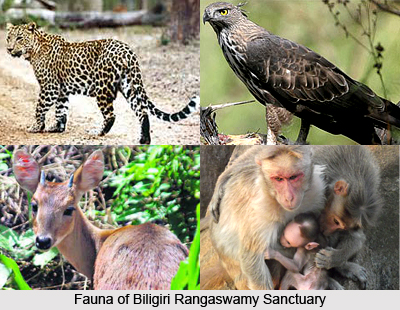
Fauna of Biligiri Rangaswamy Temple Sanctuary
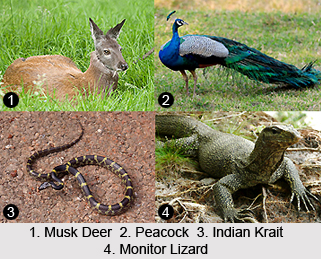
The regional fauna of this Indian sanctuary includes about 245 species of birds, 22 species of reptiles , 36 mammals, 145 butterflies and 776 species of higher plants. Tigers, Sambhar, Chital, Panther, Gaur, Elephant, Bear and other animals are all existent in the sanctuary.

Tourists visiting this sanctuary can enjoy recreational activities like amateur fishing, coracle boat rides, outdoor camping, river rafting, trekking, bird watching and professional angling. The perfect time to visit this sanctuary is between the months of October and May.

This article is a stub. You can enrich by adding more information to it. Send your Write Up to content@indianetzone.com
Recently updated articles in Flora & Fauna

Indian Aloe Vera
Indian Aloe Vera Thumbnail

Indian Aloe Vera

Indian Aloe, growing to moderate heights, appears glossy, with pulpy leaves, essential in making drugs.

Amaranthus spinosus
Amaranthus spinosus Thumbnail

Amaranthus spinosus

Amaranthus spinosus is a medicinal herb found in India and is commonly known for its medicinal value.

Shilli Wildlife Sanctuary
Shilli Wildlife Sanctuary Thumbnail

Shilli Wildlife Sanctuary

Shilli Wildlife Sanctuary in Himachal Pradesh was established in 1963 in order to preserve the Himalayan Black Bear which is an endangered creature. D...

Flora and fauna of Karnataka
Flora and fauna of Karnataka Thumbnail

Flora and fauna of Karnataka

Karnataka boasts a remarkable diversity of flora and fauna, nurtured by its varied landscapes ranging from the Western Ghats to dry plains. The state’...

Vedanthangal Bird Sanctuary
Vedanthangal Bird Sanctuary Thumbnail

Vedanthangal Bird Sanctuary

Known to be the oldest water bird sanctuary in the country, Vedanthangal Bird Sanctuary is home to myriad types of migratory birds including 26 rare s...