
Bhuj
Bhuj, the beautiful historic city is located in the Kutch region of Gujarat.
Introduction
History of Bhuj
Geography of Bhuj
Demographics of Bhuj
Education of Bhuj
Fairs and Festivals of Bhuj
Bhuj Temples
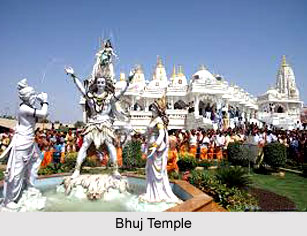 The old walled city of Bhuj in Gujarat is the most significant town in Kutch serving as its district headquarters. Bhuj is distinguished by its ornately decorated Hindu temples, beautiful palaces and intricately carved wooden pavilions. It is a paradise for handicraft lovers and weavers. The oldest museum is situated in Bhuj. The region is also well known for the enamel work done on gold and silver jewellery, lacquered wood, seashell toys and metal bells.
Puraneshwar Temple , Kutch, Gujarat : Puraneshwar is about 35 km from Bhuj. The temple is the product of the 9th-10th century, built on a high plinth, containing some extremely well woven sculpture on its walls. Near the temple complex is a place called Vadimedi, a palace dating back to the Solanki era.
Shiva Temple, Kera, Kutch, Gujarat: Kera is renowned for its 10th century Shiva Temple. The present day ruins are suggestive of how beautiful the temple must have been centuries ago. Sadly, the temple was damaged in the epoch-making earthquake of 1819AD. Very near to this ruined Shiva temple, is a Muslim shrine of Ghulam Ali Shah. The annual Urs held here attracts devotees from all faiths. Earnest worshippers walking on smoldering coal is the prime attraction of Urs.
Kutch - Bhuj Teerth
The temples of Kutch-Bhuj Teerth dates back to the ancient times. There are three temples that have been magnificently decorated and carved with attractive designs. It stands as a unique piece of architectural work. This temple belongs to the tapa gaccha. Among these three temples one of them houses the idol of Bhagwan Rishabh Dev. Other than this idol there are 26 other idols installed here. Among these 14 of the idols have been carved out of stone and the 12 other idols carved of metal. These splendid idols depict the creative skills and the artistic talent of the craftsmen of the ancient days. There are portraits of Shri Vijayananda Suri (Shri Atamaramaji) and Shri Khantivijayaji Dada that adorn the temple halls. The other temple belongs to the Anchala Gaccha. In this temple there are beautiful 23 idols made of stone and 32 idols made of metal. Apart from these there are portraits of Shri Kalyanasagarasuri and Shri Gautamasagarasuri.
The third temple belongs to the Kharatara Gaccha. The temple houses the idol of Lord Shantinath. Other than these there are 8 idols made of stone and 13 idols carved of metal. These idols look magnificent and artistic. Portraits of Shri Jinaratnagsagarsuri and Shri Jinaananadasagarasuri are also found here. All these temples have been constructed in the nineteenth century and look exquisite. They reveal the artistic designs of the anceint period. On the outskirts of the town there is dadavadi of kharataragaccha. Another Jain temple is also located here. The sacred footsteps of Shri Ghantakarna have been installed here. A huge idol of Anchala Gaccha has been installed here. One can also see a small Jain temple here. Several annual gatherings and festivals are organised by the temple authorities. There are provisions for dharamshalas or rest houses for the devotees. Kutch Bhuj Teerth is well connected to road, rail and air. Busses, taxies and private vehicles are easily available for the kshetra.
Places of attraction at Bhuj
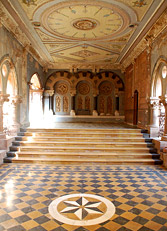 The places of attraction at Bhuj are:
• Aina Mahal or the Palace of Mirrors (Old Palace)
•Prag Mahal (New Palace)
• The Kuchch Museum
•The Sarad Bagh Palace
•The Swaminarayan Temple
• Bharatiya Sanskriti Darshan Kachch (folk museum)
• Anjal Wild Ass Sanctuary
•The town of Gandhidham.
Recently updated articles in Cities of India
Places of Interest in Deogarh Uttar Pradesh
A place of historical and archaeological significance, Deogarh is a site with few popular places of interest.
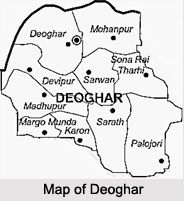
Deoghar in Jharkhand
Deoghar is the divisional headquarters of Santhal Parganas located in Jharkhand and is popular for the famous Baidyanath temple and Shiva Temples.
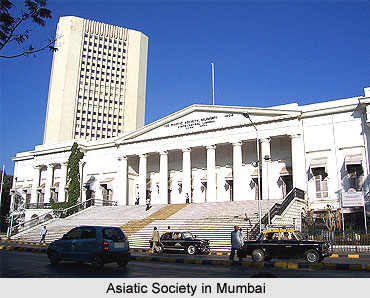
The Asiatic Society of Mumbai
Asiatic Society in Mumbai is the temple of Asian Studies from the time of British rule in India.
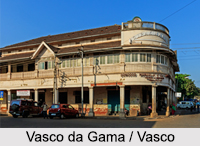
Vasco da Gama / Vasco City
Vasco da Gama / Vasco is the biggest city of Goa and is one of the most visited for its perfect amalgamation of business as well as leisure options.
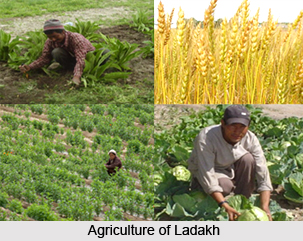
Agriculture of Ladakh
Agriculture in Ladakh is primarily practiced in the short summer season due to its cold desert climate. Farmers grow hardy crops like barley, wheat, p...
Related articles in Cities of India
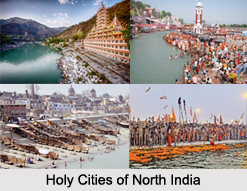
Holy Cities of North India
Holy Cities of North India are having the rich history of Hinduism and the entire civilization was grown up with the hands of beliefs, rituals and the...
Holy Cities of South India
Holy Cities of South India gives the detailed cultural formation of Dravidians from the early era, which later developed to the world by the Pallavas...
Holy Cities of West India
Holy Cities in West India were established by the rulers of Rajputs and the Satvahana Dynasty and the medieval rulers of Junagadh.
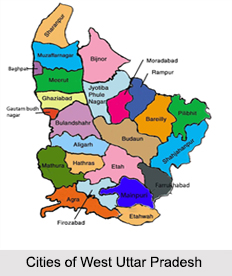
Cities of West Uttar Pradesh
Cities of West Uttar Pradesh include Meerut, Bulandshahr, Ghaziabad, Saharanpur, Muzaffarnagar, Bijnor, Bareilly, Rampur, Agra, Aligarh, Mathura and m...

Port Cities of South India
Port Cities of South India are developed from the early phase of colonial era when the Portuguese and the French traders came to India