 Dhoba is a small caste belonging to the central region of the country. They are considered as an offshoot of one of the primitive tribes. Interestingly, they have always been amalgamated with the Dhobi caste and have never been classified separately in the census of the country. However, the Dhoba caste of Mandla region, deny any sort of connection with Dhobis. The Dhobas are tall and dark in complexion and have flat features similar to that of the Gond tribe. The origin of Dhoba caste is very vague; however it appears that they are an offshoot of one of the Dravidian tribes.
Dhoba caste has around 12 exogamous sects, which are said to have been named after the names of certain villages. They prohibit the marriage between the Maratha and Khatnagar and Maralwati sects, the Baghmar and Baghcharia sects, and the Sonwani and Sonsonwani sects. The names Baghmar and Baghcharia are derived from tiger; Sonnwani is from Sona-pani or gold-water, and more. However, the children of a brother and a sister can marry but not the children of two sisters. They follow certain marriage rites. For the wedding, the bridegroom goes to the village of the bride. The wedding ceremony is conducted as per the Hindu rituals of walking round the sanctified post. The Dhoba community allows divorce and widow remarriage. The members of Dhoba caste also observe several birth and funeral rites. They bury the dead, which is followed by various funeral rites.
Dhoba community has a caste head belonging to the Sonwani sect and is known as the Raja. He has no deputy and he does not receive any contribution from the caste, instead he takes a double share of the food and sweetmeats when distributed. He selects the other members of the committee from any sect as he wishes. In Dhoba caste, if a man has been put out for any serious offence then for re-admission, he has to give three feasts. The first meal comprises a goat with rice and pulses, which is eaten on the banks of a stream. Further, on this occasion, the offender`s head is shaved and the hair is thrown into the stream. The second meal given by the offender is eaten in his house`s yard and this meal comprises cakes fried in butter with pulses and rice. Interestingly, the offender is not permitted to participate either in the first or the second meal. Lastly, on the third day, the offender is given gold-water by the Raja and then he is considered to be purified. After that he cooks himself. If a man is sent to jail then he is not put out of caste.
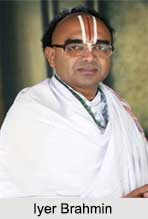
The Dhobas have various social customs, which they follow religiously. They also employ the services of a Brahmin priest for performing the various ceremonies. They eat the flesh also drink liquor.