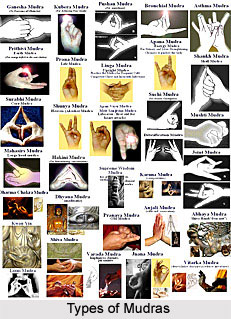
 Types of Mudras are various which are practiced by many people throughout the world. These various types of Mudras are easy to practice and can be done at any place and at any time. The Mudras enable the Chakra energy and mood, whilst lifting the inner self. Practicing the different types of mudras is considered good for health as it provides physical, mental, as well as spiritual benefits.
There are different types of mudras such as hand mudras, eye mudras, kaya mudras, etc. which allows one to balance mind and body and release energy. There are mudras related to Mana, Kaya, Dhyana, etc. All the mudras support further development of the self. The various types of mudras are divided into different categories, which are as follows:
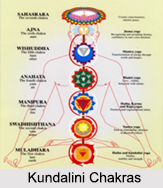
•Kaya Mudra: Kaya mudras are very much similar to asana, but mend the other types of simple mudras with Pranayama and concentration. These are the most complicated types of mudras and involve greater concentration and focus to hold. Kaya mudras strengthen the Prana in the body and direct the prana into particular chakras which are considered as energy centres.
•Hasta Mudras: Hasta mudras encompass the involvement of hands and are used primarily in meditation, but can also be incorporated in asana and types of pranayama as well as in daily activities. Hasta mudras channel the prana into a new direction. These mudras are the most common of the categories of mudras.
•Mana Mudra: Mana mudras utilize the sense organs of the ears, nose, eyes, tongue and lips. These types of mudras need concentration and focus on internal consciousness at the same time as elevating the cognizance.
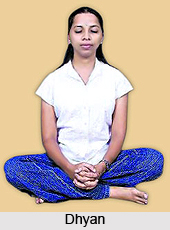
•Dhyana Mudra: Dhyana mudras, also known as contraction mudras involve the engagement of subtle skeletal muscles, mostly in the area of the pelvis. These types of mudras centralize the prana in the body and prime the energy channels for the awakening of Kundalini Shakti.
Various types of Mudras are used in Hindu as well as Buddhist iconography. Mudras are also used in Nritya Sashtra and Natyasashtra. Also in meditation various mudras of the body are used.