
 Chandogya Upanishad is one of the oldest Upanishads written on the Vedic Brahmana period about ninth to eighth century BC. Chandogya Upanishad is associated with Sama Veda. It is the part of Chandogya Brahaman that contains ten chapters. The 2nd Khanda of Chapter Eight of Chandogya Upanishad states about the fulfilment of desires through Self Knowledge. If one desires the region of Pitri i.e. Manes, he attains it with glory. The moment he wishes it, the Manes receive him with welcome. If someone desires the world of the Matri i.e. mothers, he attains it with glory. The moment he wishes it, the Matris receive him with welcome. Next if he desires the world of the Bhratri i.e. brothers he receives it by the mere thought of it. If someone desires the world of the Bhratri i.e. mothers, he attains it with glory. One who desires the world of the Swasri i.e. sisters, he attains it with glory. The moment he wishes it, the Swasri receive him with welcome. Again if he desires the world of the Sakha i.e. friends, by his mere thought the friends come to him. The moment he wishes it, the Sakha receive him with welcome. Now if someone desires the world of Gandhamalya i.e. perfumes and garlands, by his mere thought perfumes and garlands come to him. Having obtained the world of perfumes and garlands, he becomes happy. If someone desires the world of Annapurna i.e. food and drink it receives it by its mere thought. The moment he wishes it, the Annapurna receives him with welcome. Next if he desires the world of Gitabaditra i.e. song and music, he receives it by his mere thought. Having obtained the world of song and music, he is happy. Again if he desires the region of Stri i.e. women, he attains it with glory, for verily the moment he wishes it, the Stris receive him with welcome. Whatever country he desires, whatever he desires, he attains it with glory. Whatever country he longs for, whatever objects he desires, by his mere thought all these come to him. The moment he wishes it, all these receive him with welcome. Having obtained them, he becomes happy.
2nd Khanda of Chapter Eight
The 2nd Khanda of Chapter Eight of Chandogya Upanishad states about the fulfilment of desires through Self Knowledge.
Chandogya Upanishad is one of the oldest Upanishads written on the Vedic Brahmana period about ninth to eighth century BC. Chandogya Upanishad is associated with Sama Veda. It is the part of Chandogya Brahaman that contains ten chapters. The 2nd Khanda of Chapter Eight of Chandogya Upanishad states about the fulfilment of desires through Self Knowledge. If one desires the region of Pitri i.e. Manes, he attains it with glory. The moment he wishes it, the Manes receive him with welcome. If someone desires the world of the Matri i.e. mothers, he attains it with glory. The moment he wishes it, the Matris receive him with welcome. Next if he desires the world of the Bhratri i.e. brothers he receives it by the mere thought of it. If someone desires the world of the Bhratri i.e. mothers, he attains it with glory. One who desires the world of the Swasri i.e. sisters, he attains it with glory. The moment he wishes it, the Swasri receive him with welcome. Again if he desires the world of the Sakha i.e. friends, by his mere thought the friends come to him. The moment he wishes it, the Sakha receive him with welcome. Now if someone desires the world of Gandhamalya i.e. perfumes and garlands, by his mere thought perfumes and garlands come to him. Having obtained the world of perfumes and garlands, he becomes happy. If someone desires the world of Annapurna i.e. food and drink it receives it by its mere thought. The moment he wishes it, the Annapurna receives him with welcome. Next if he desires the world of Gitabaditra i.e. song and music, he receives it by his mere thought. Having obtained the world of song and music, he is happy. Again if he desires the region of Stri i.e. women, he attains it with glory, for verily the moment he wishes it, the Stris receive him with welcome. Whatever country he desires, whatever he desires, he attains it with glory. Whatever country he longs for, whatever objects he desires, by his mere thought all these come to him. The moment he wishes it, all these receive him with welcome. Having obtained them, he becomes happy.
Recently updated articles in Indian Philosophy
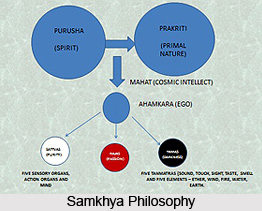
Samkhya Philosophy
Samkhya philosophy is one of India’s oldest intellectual traditions, explaining reality through the interplay of Puruṣha (pure consciousness) and Prak...
Maya, Prakriti in Hinduism
Maya or illusion is a very potent instrument of the Divine Prakriti, the Primal nature. In Hinduism one must be able to come out of Maya in order to a...
Samadhi in Hinduism
Samadhi is the result of meditation or that state of mind when there is an absence of all idea of individuality.
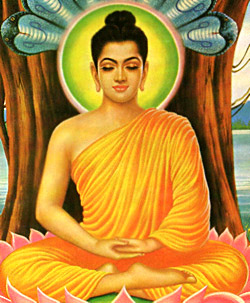
Samadhi in Buddhism
According to Buddhism, oen can only achieve samadhi through strict meditation and right concentration.
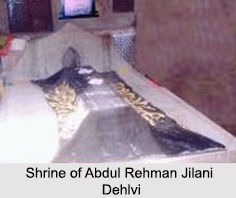
Abdul Rehman Jilani Dehlvi
Syed Abdul Rehman Jilani Dehlvi was a renowned Sufi saint of the Qadri Order in India.
Related articles in Indian Philosophy

Ajivika Philosophy
Ajivika philosophy is different from the mainstream religion
Indian Philosophy In The Vedic Period
Indian Philosophy in the Vedic Period was primarily based on the concepts of nature worship.
Achintya Bheda Abheda Philosophy
Achintya-Bheda-Abheda is a School of Vedanta that represents the philosophy of unimaginable one-ness and difference in relation to the power creation...
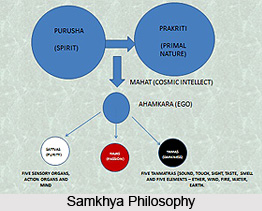
Samkhya Philosophy
Samkhya philosophy is one of India’s oldest intellectual traditions, explaining reality through the interplay of Puruṣha (pure consciousness) and Prak...
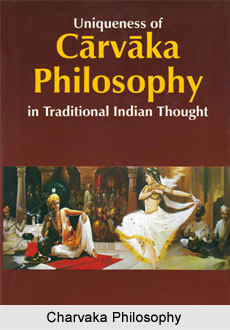
Charvaka Philosophy
The Charvaka Philosophy believes that only those things that can be perceived is the ultimate reality.